
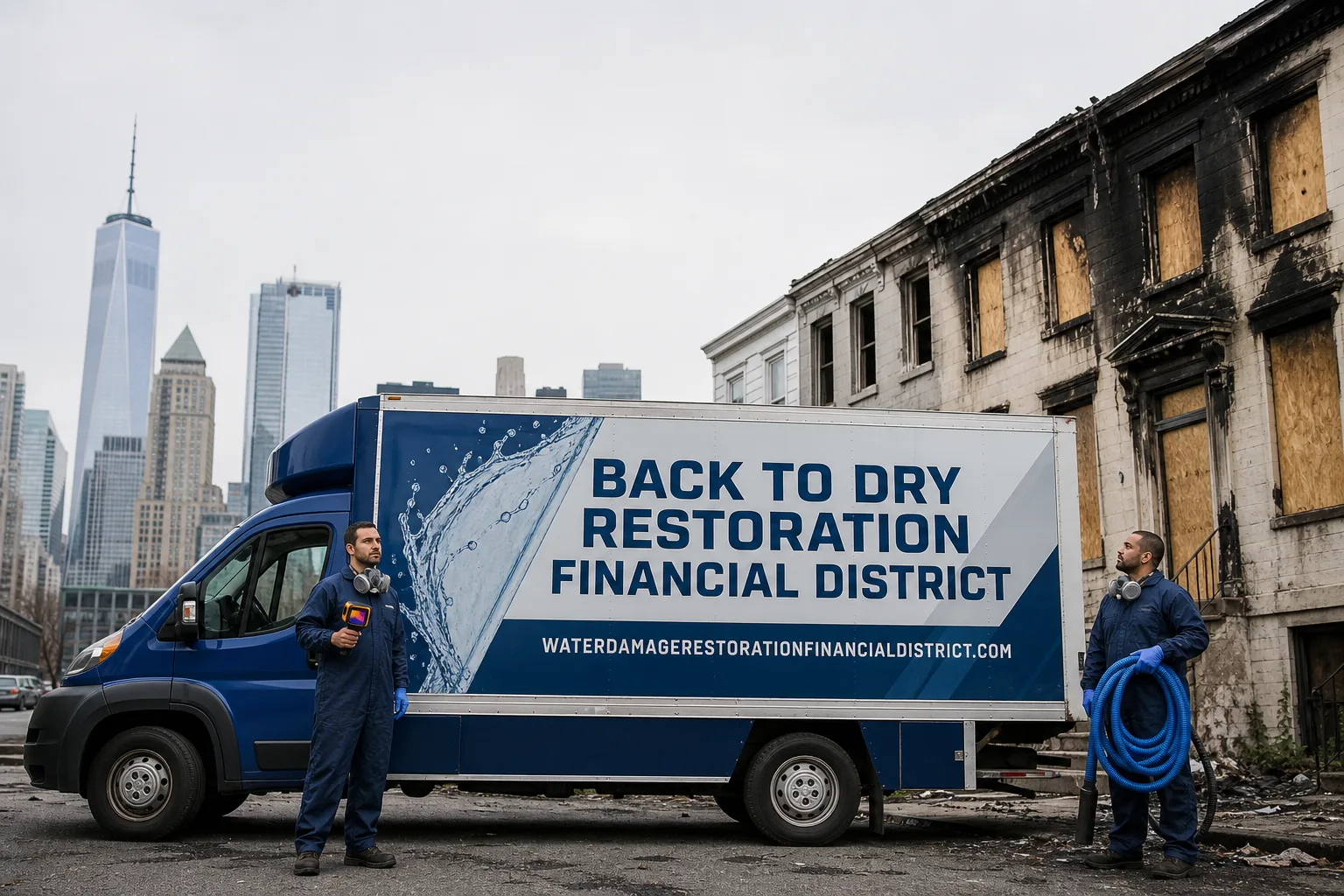
Free visual inspection and a written scope of work before any mitigation begins - photos, moisture readings, and drying logs go in your claim file
The scope we write is the scope we bill. Anything new gets shown to you, in writing, before we touch it.
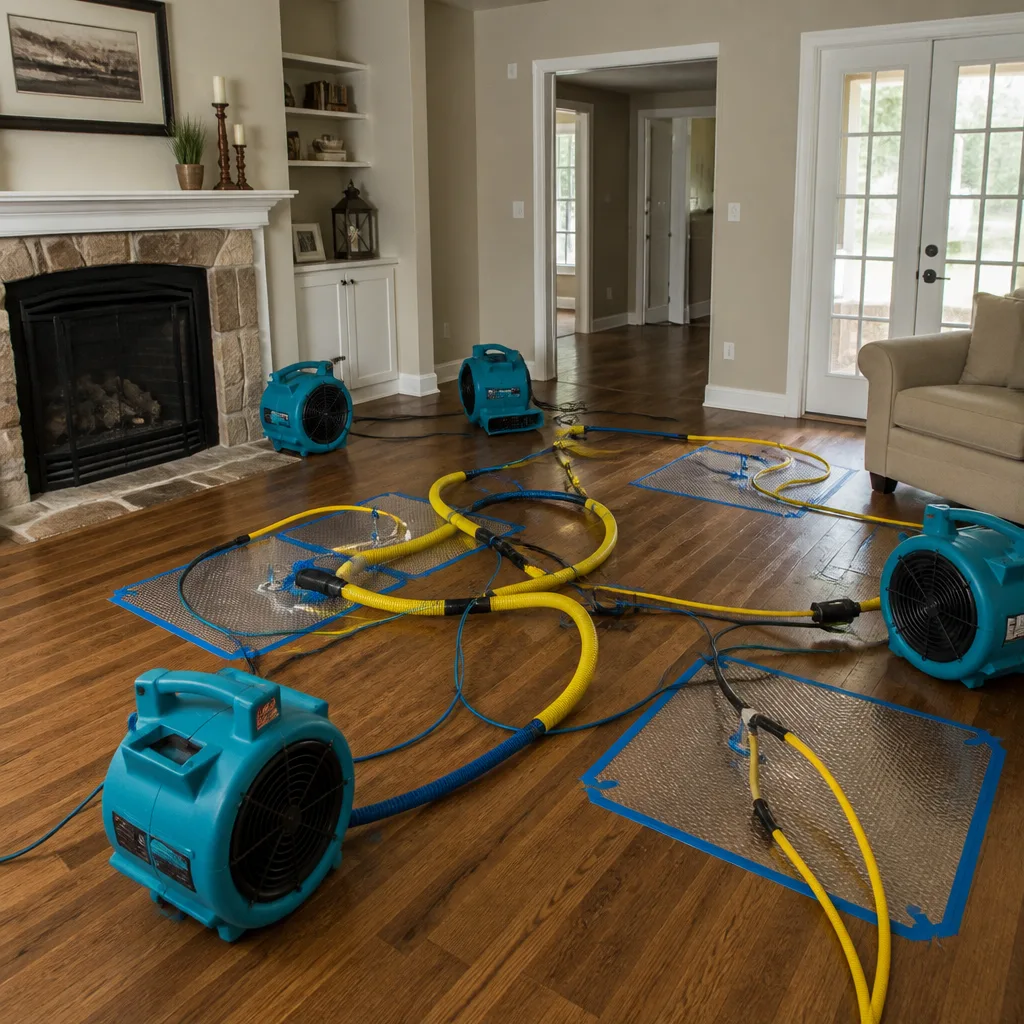
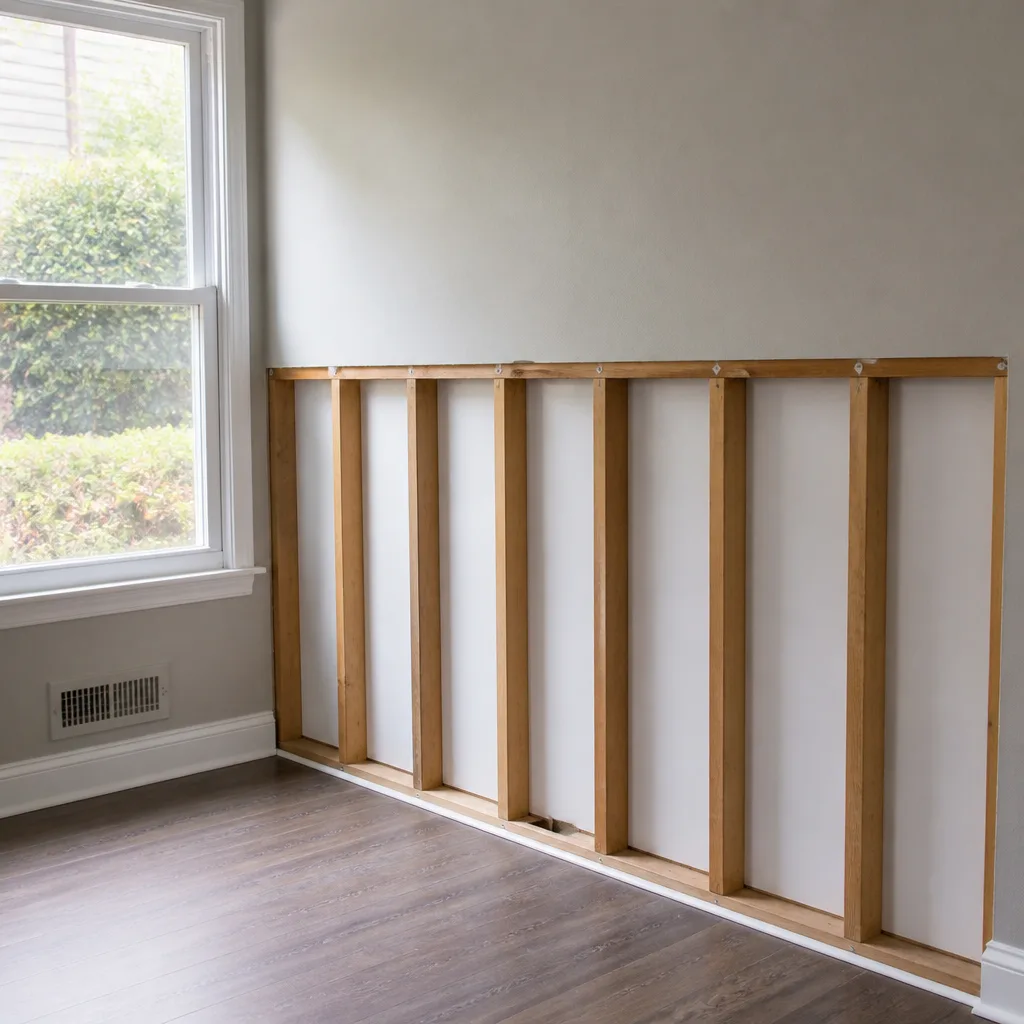

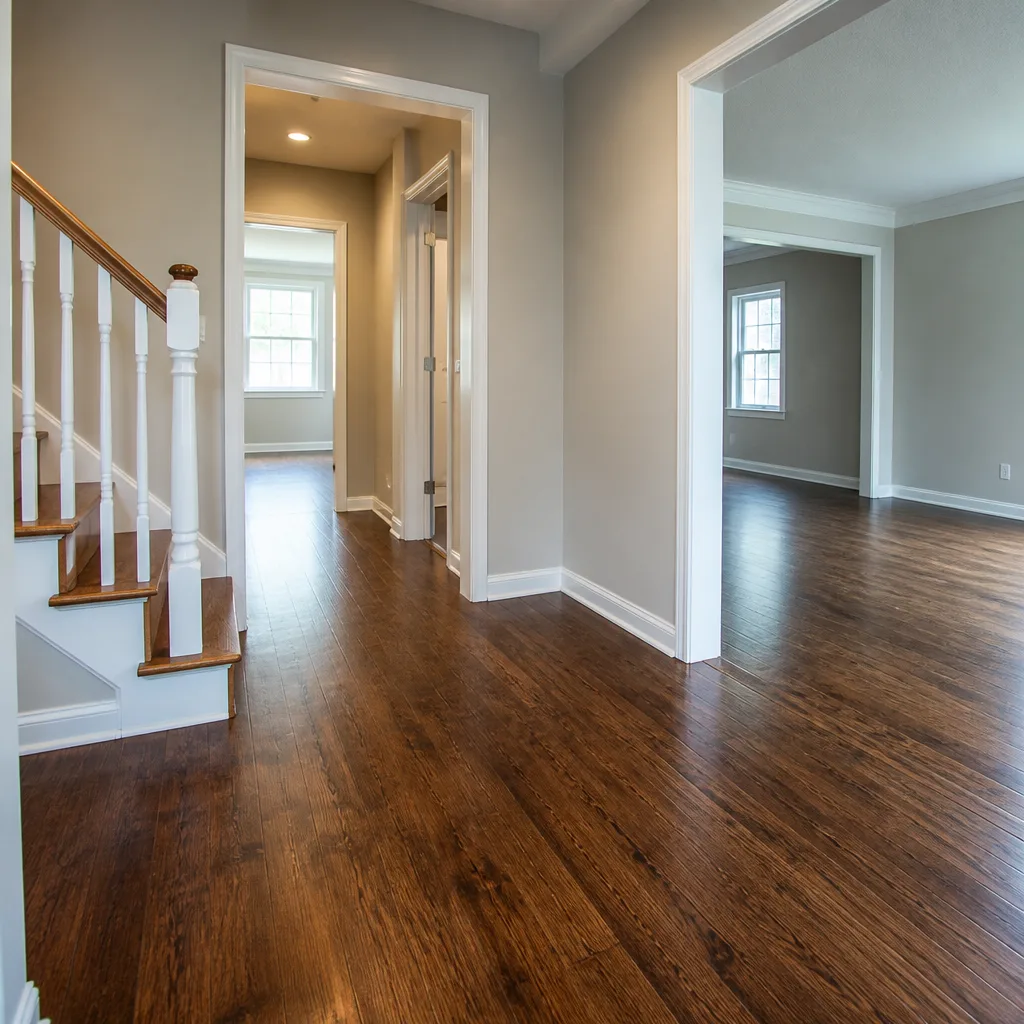
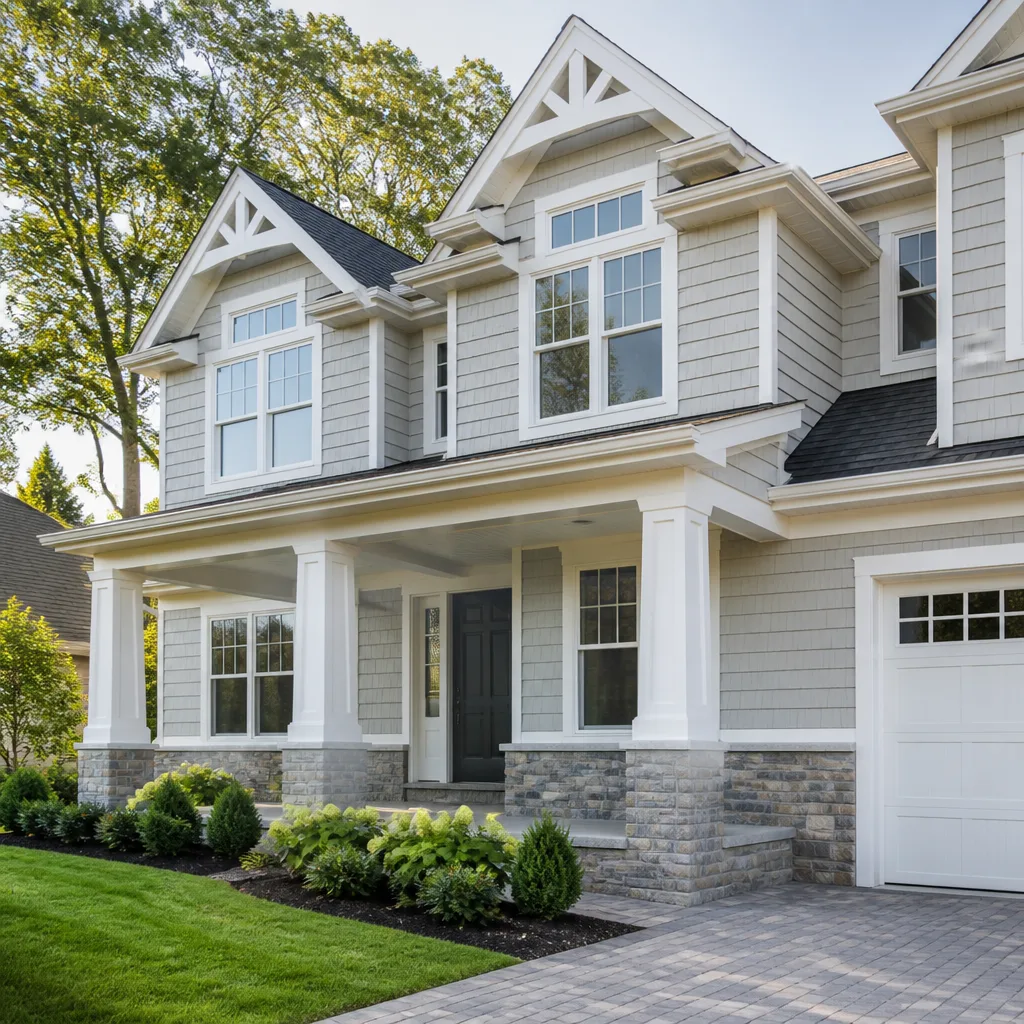
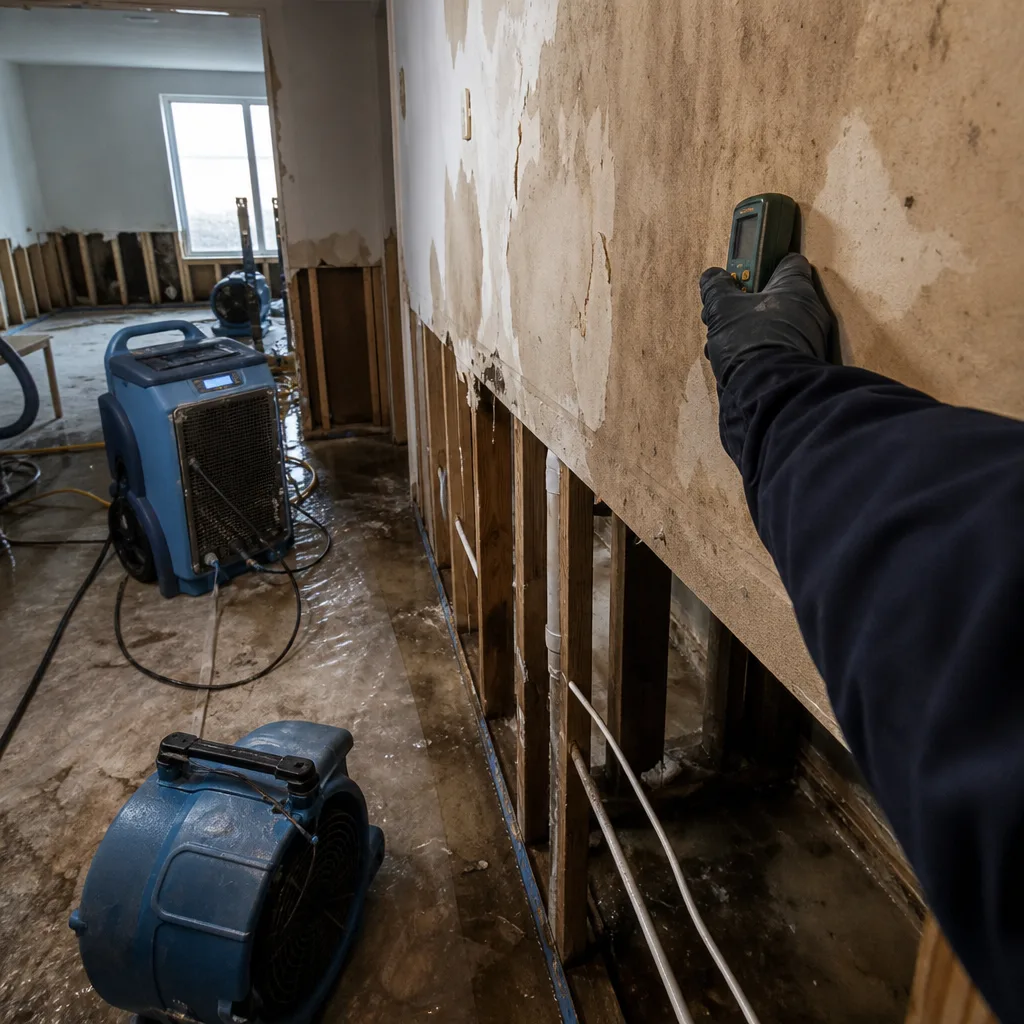 Before
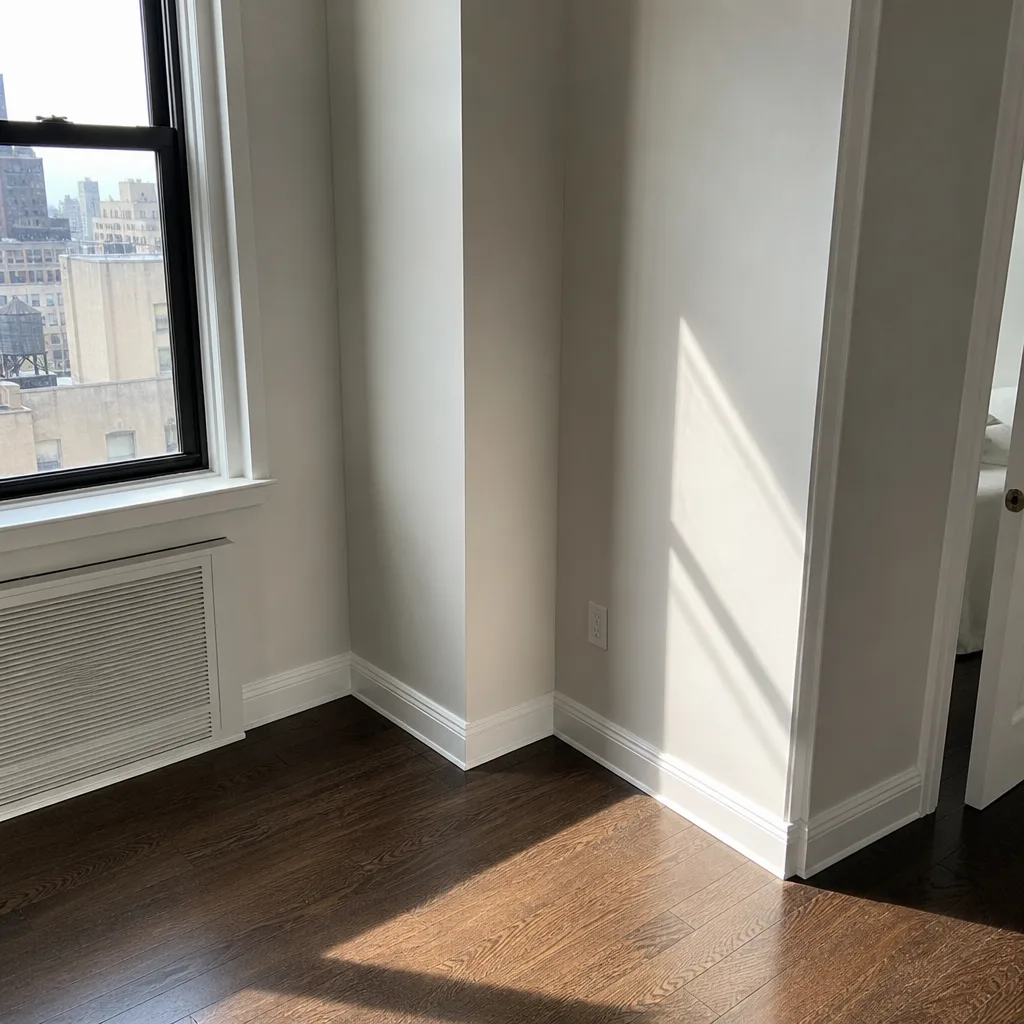 After
After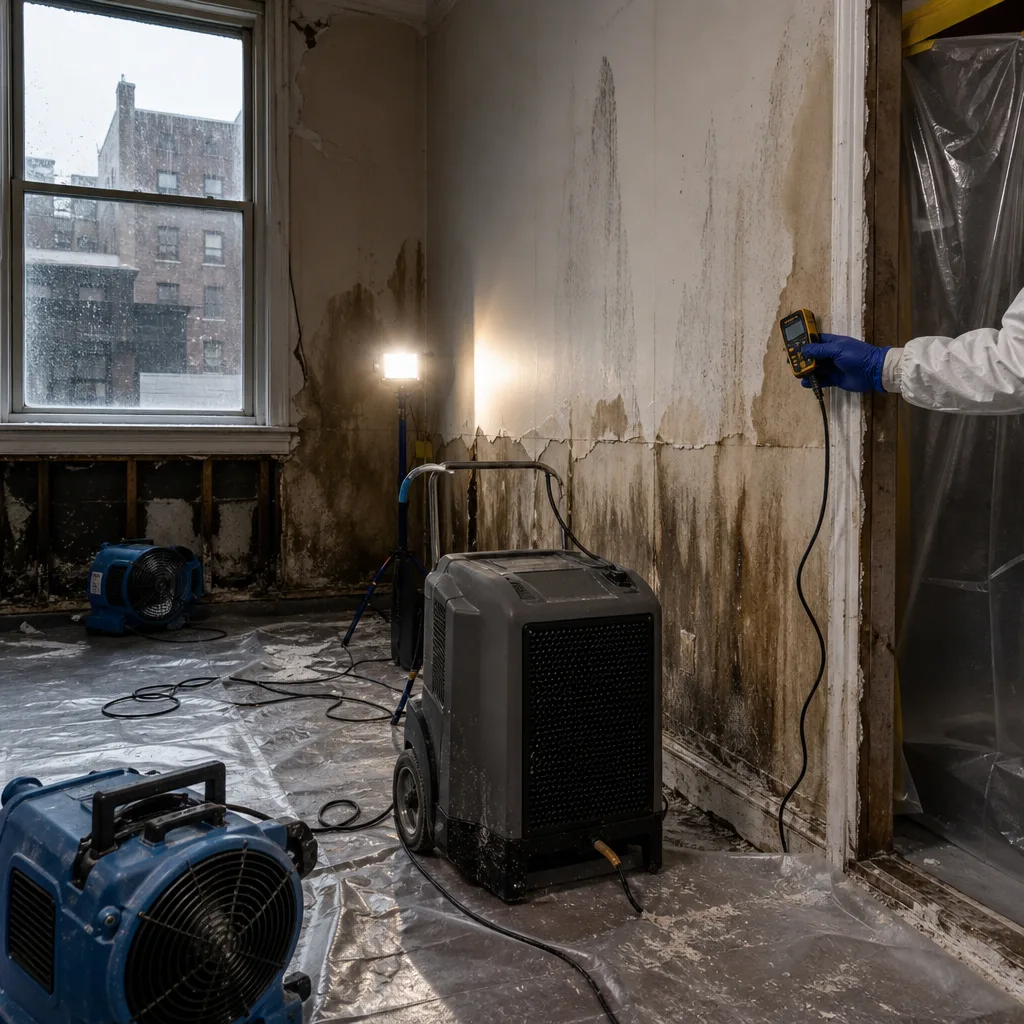 Before
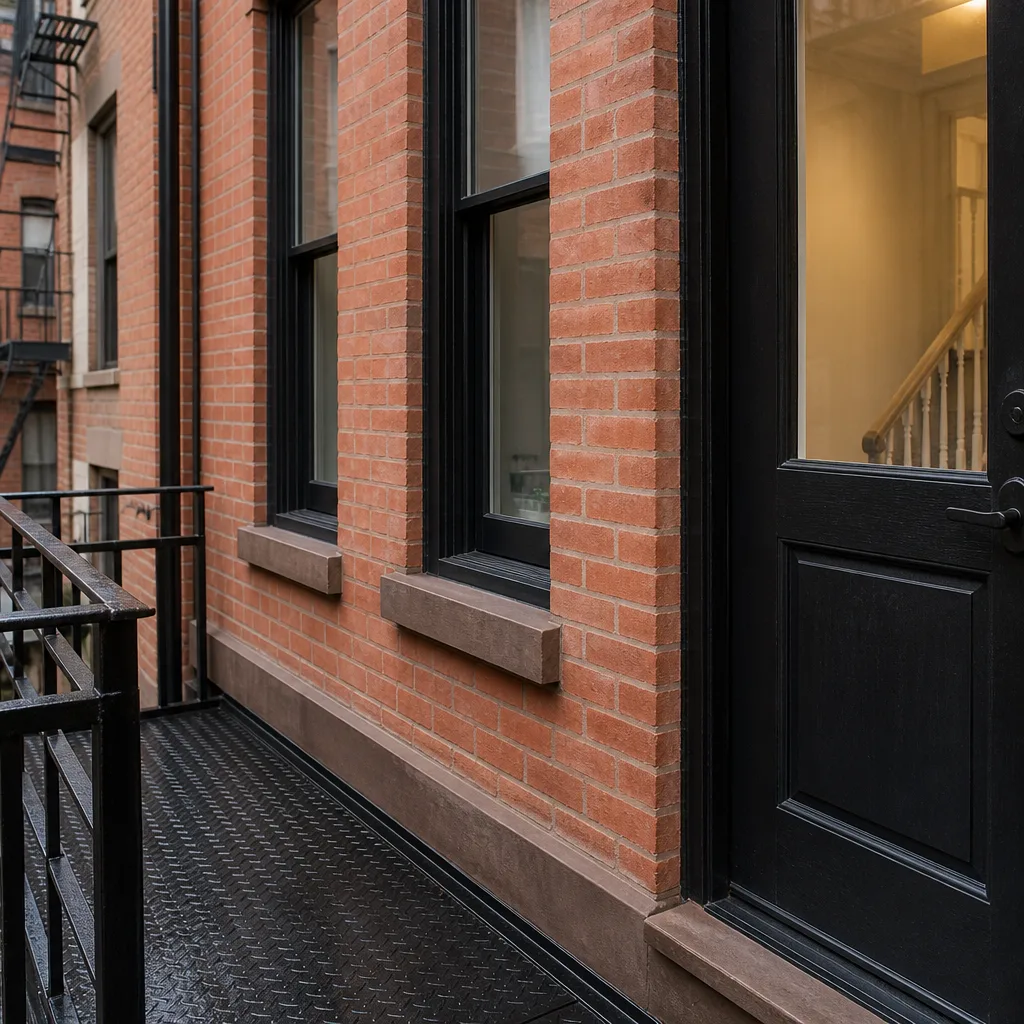 After
After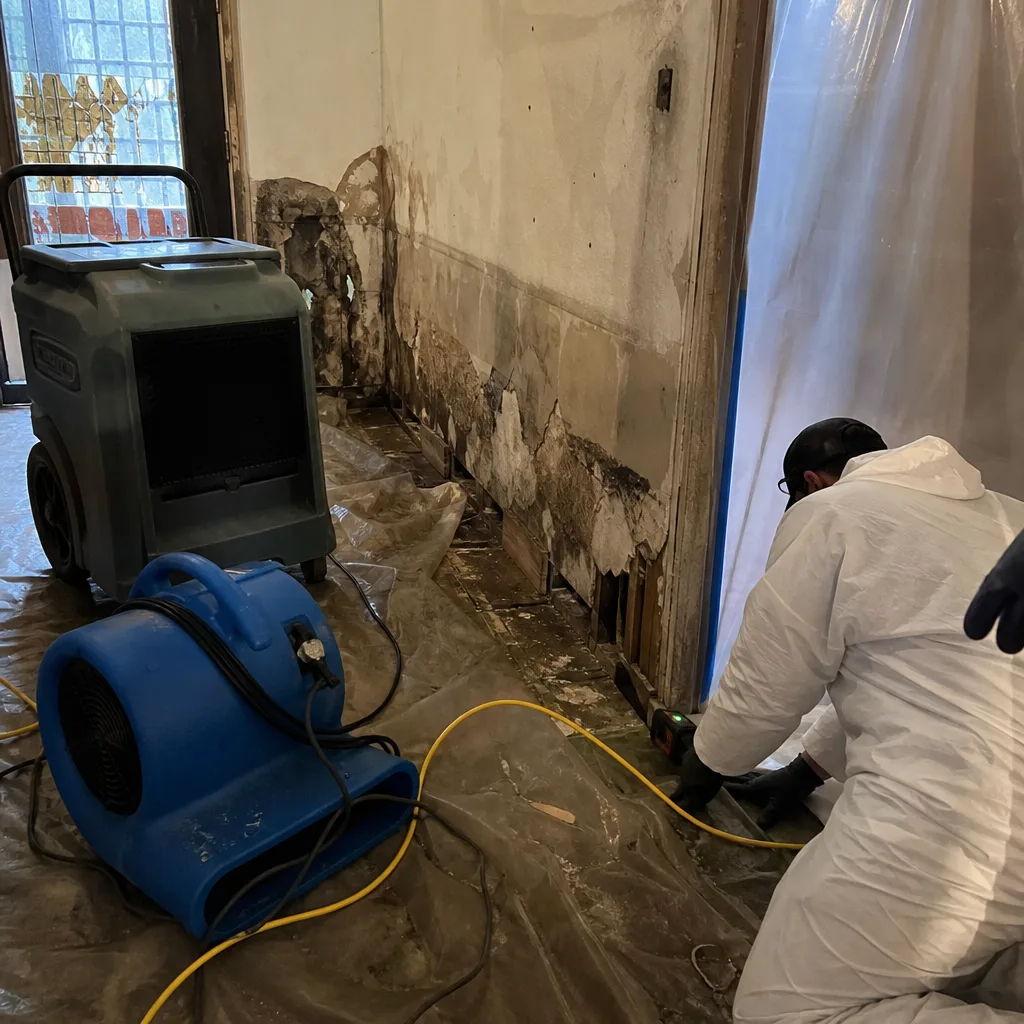 Before
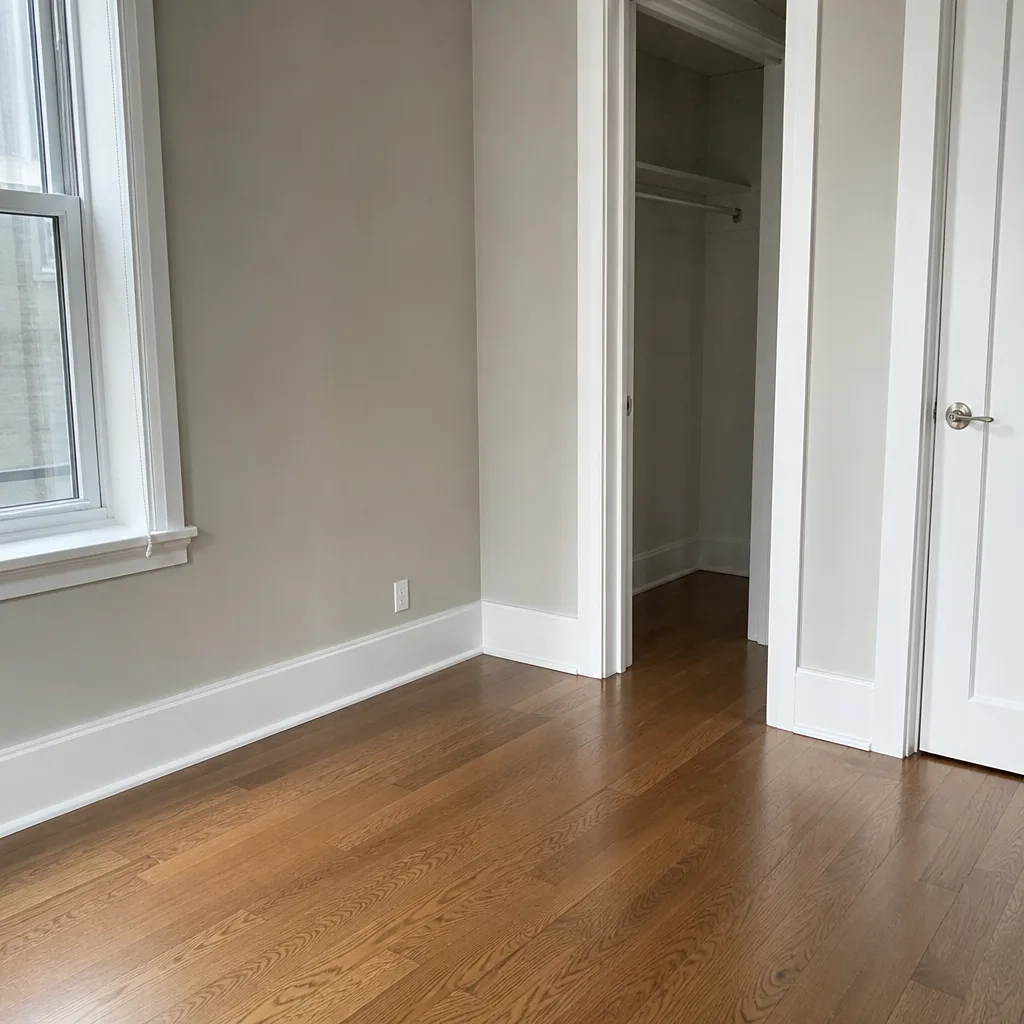 After
AfterFast, Reliable Mold Remediation Across New York
Mold remediation in New York typically costs $2,800-$7,500 for residential units, with full containment and air-scrubbed removal in pre-war buildings running toward the higher end. Most inspections can be scheduled within 24 hours, and our crews are dispatched from our New York City office to reach Manhattan, the Bronx, and upper Brooklyn same-day. Call (551) 212-1492 for a written estimate before any work begins - Haven Standard, Clause 1.
We’ve restored more than 12,000 homes since 2011, and a disproportionate share of our mold work happens right here in New York. The reason is simple: this city’s building stock is unlike anywhere else in the country. Pre-war tenements, brownstones, and co-op buildings with original horsehair plaster and two-pipe steam heating systems create moisture problems that don’t exist in newer construction. When a steam trap fails in a Washington Heights radiator chase, water can migrate through wall cavities for weeks before a ceiling stain appears two floors down. That’s not a scenario you can train for in a suburban classroom. Our technicians have traced hundreds of these hidden leaks across the five boroughs, and we know that effective mold remediation in New York starts with understanding the building, not just scrubbing the surface.
Why DryMark Restoration Financial District Is New York’s Preferred Mold Remediation Company
Our reputation in New York was built on documentation that survives adjuster scrutiny. Every job gets a written price before work starts, a photo record on every visit, and daily moisture logs that track psychrometric data - temperature, relative humidity, and vapor pressure differential - in plain language you can read and an insurer can pay. We’ve completed over 12,000 restorations since 2011, each one under The Haven Standard, and we offer a free second opinion on any competitor’s written estimate.
Response time matters when mold is active. Our New York City office coordinates dispatch across Manhattan, the Bronx, Brooklyn, and Queens, and a live person answers every call, 24 hours a day, 7 days a week. No voicemail trees. No next-business-day callbacks while spore counts rise.
What separates our work in New York is local building knowledge. We know that a musty smell in a pre-war co-op on the Upper West Side or in a Mott Haven walk-up often signals a steam system failure, not a roof leak. We check radiator risers first. We also know that virtually every job in a pre-1980 building triggers NYC DEP asbestos investigation under Local Law 15 before any plaster or pipe insulation can be disturbed. Skip that step and you’re looking at a stop-work order, a delayed claim, and unhappy neighbors. We don’t skip steps.
Alicia Brennan founded DryMark in 2011 after working as a claims adjuster and watching homeowners lose legitimate coverage because their restoration contractor’s documentation wouldn’t hold up. She built this company to close that gap. Every crew that enters a New York building is background-checked, uniformed, and arrives with license and insurance documentation. The license number is on the work order. The written scope is signed before equipment is powered on.
Our Mold Remediation Services in New York
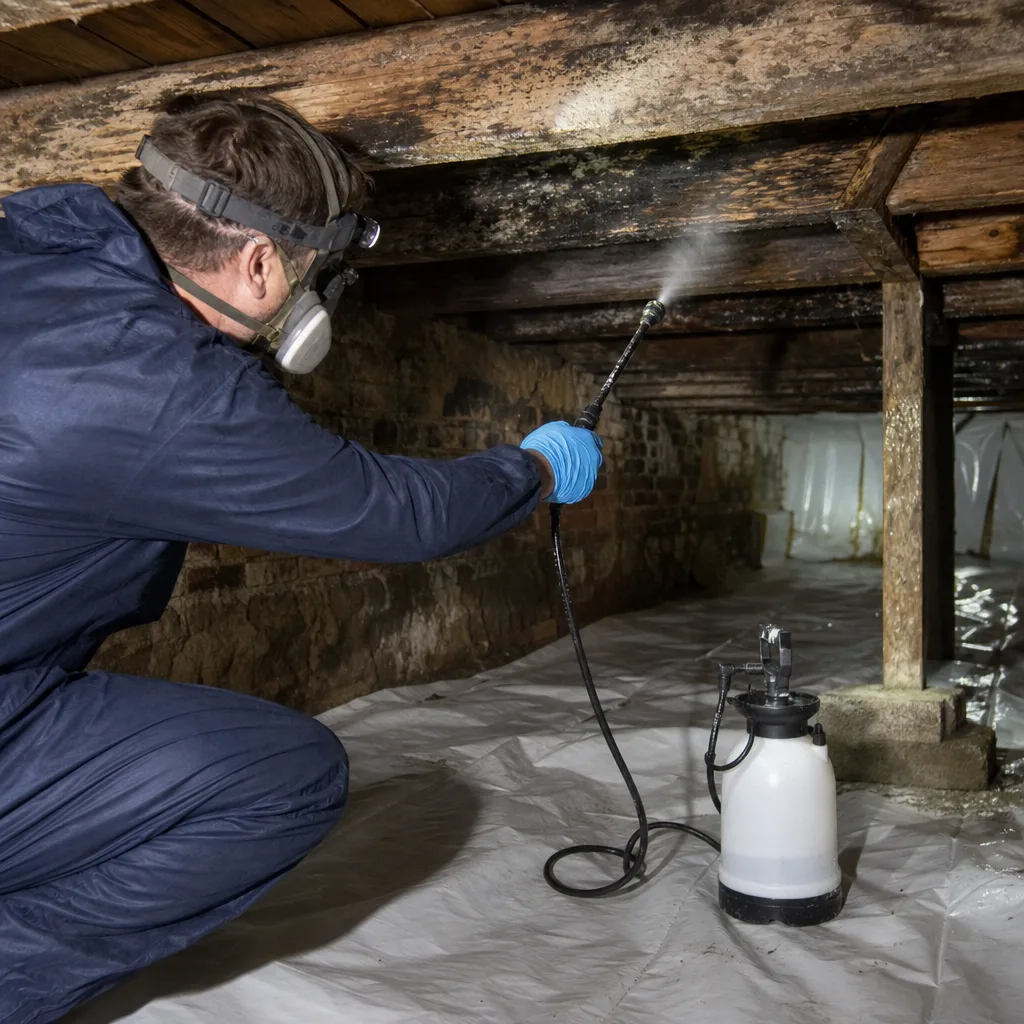
Mold Inspection & Testing
Our New York inspections start with moisture mapping, not guesswork. We use thermal imaging to identify temperature differentials behind walls, then confirm with pin and non-invasive moisture meters. In pre-war buildings, we specifically trace radiator supply stacks and condensate-return lines - the hidden failure mode that two prior cleanup companies missed on Cabrini Boulevard in Washington Heights. Air and surface samples are sent to independent labs; we don’t perform our own testing to avoid conflict of interest. You’ll receive a written report with moisture readings, photo documentation, and a scope of work priced before any remediation begins.
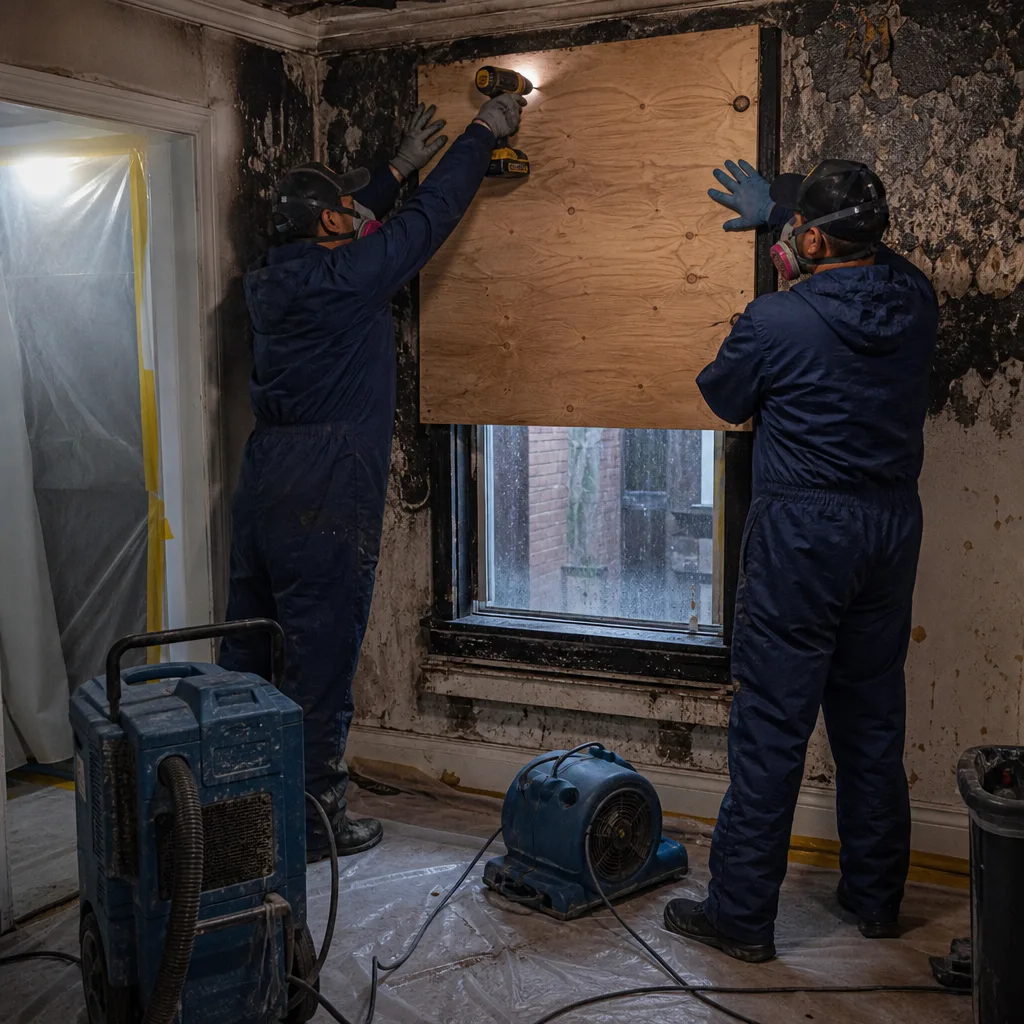
Mold Removal
Removal in New York means containment. We build sealed work zones with negative air pressure, run HEPA-scrubbed air filtration, and dispose of contaminated materials following NYC Department of Sanitation requirements. In co-op and condo buildings, we coordinate with building management before any demolition starts - air movers in shared wall cavities without notice generate complaints fast. Our crews document every bag of removed material with photos and manifest numbers. For pre-war plaster, we test for asbestos under Local Law 15 protocols before disturbance; if asbestos is present, we coordinate certified abatement as part of the scope.
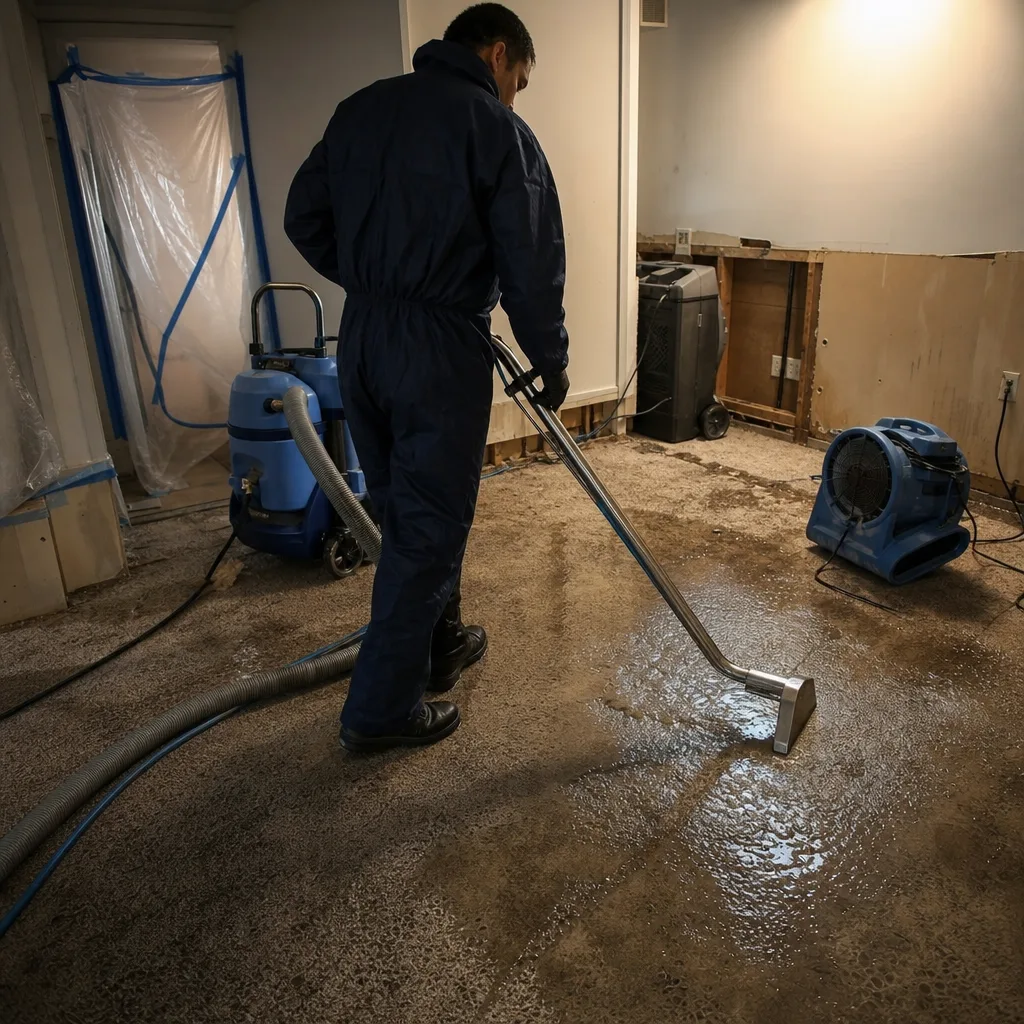
Black Mold Remediation
Stachybotrys and other toxigenic species require the same containment rigor as any mold removal, with additional attention to spore suppression during disturbance. In New York’s humid summer months, we’ve found black mold thriving behind failed vapor barriers in basement-level units from Red Hook to the South Bronx. Our protocol includes antimicrobial treatment of remaining structural materials, HEPA vacuuming of all surfaces, and post-remediation air sampling before containment is removed. The 365-Day Done Right Promise applies: if it’s not done right, we make it right - a signed guarantee under The Haven Standard, not a verbal assurance.
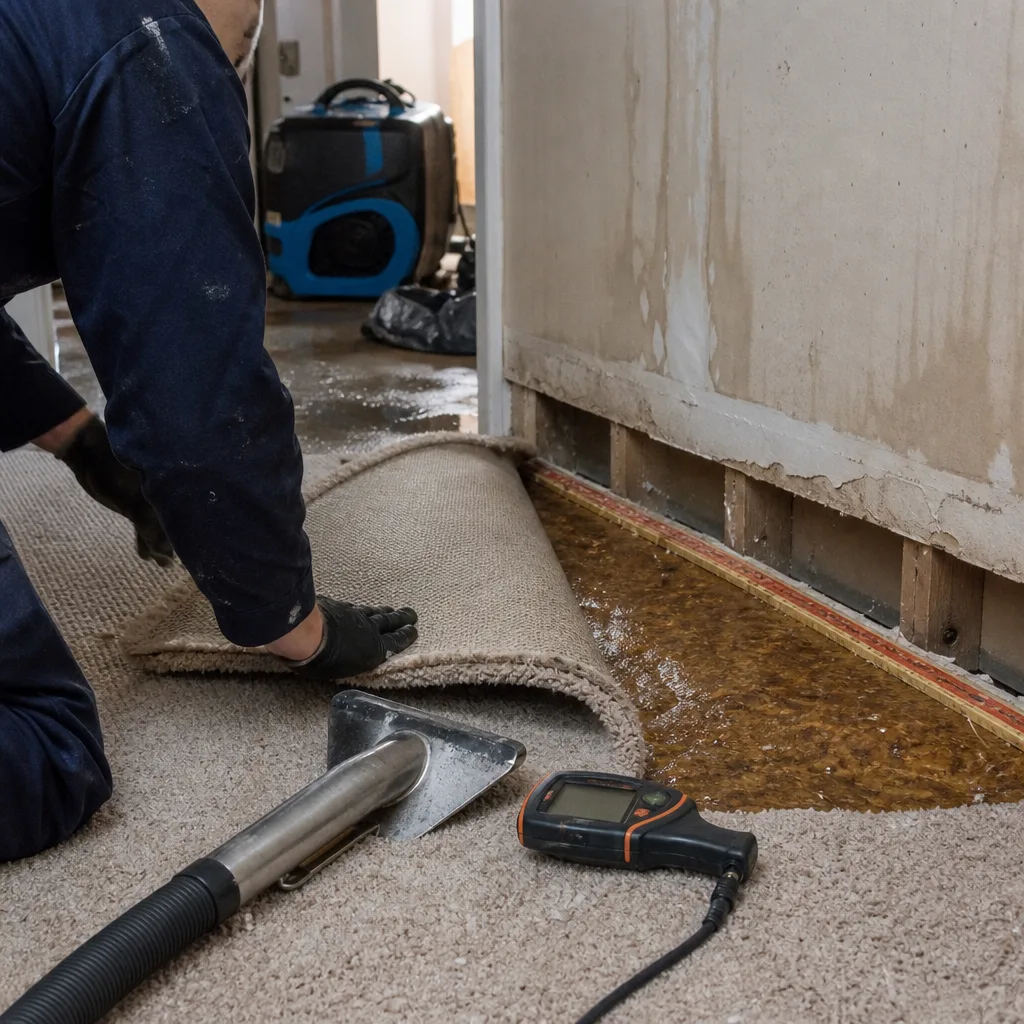
Air Quality Restoration
Post-remediation air quality in New York buildings requires more than running a fan. We calculate air changes per hour based on containment volume, deploy carbon-activated filtration for mycotoxin and volatile organic compound removal, and verify clearance with independent lab sampling. In multi-unit buildings, we also assess whether HVAC systems have cross-contaminated adjacent units - a common issue in buildings with shared risers and minimal filtration. Our documentation package includes pre- and post-remediation air quality reports, moisture logs, and photo records formatted for insurance submission.
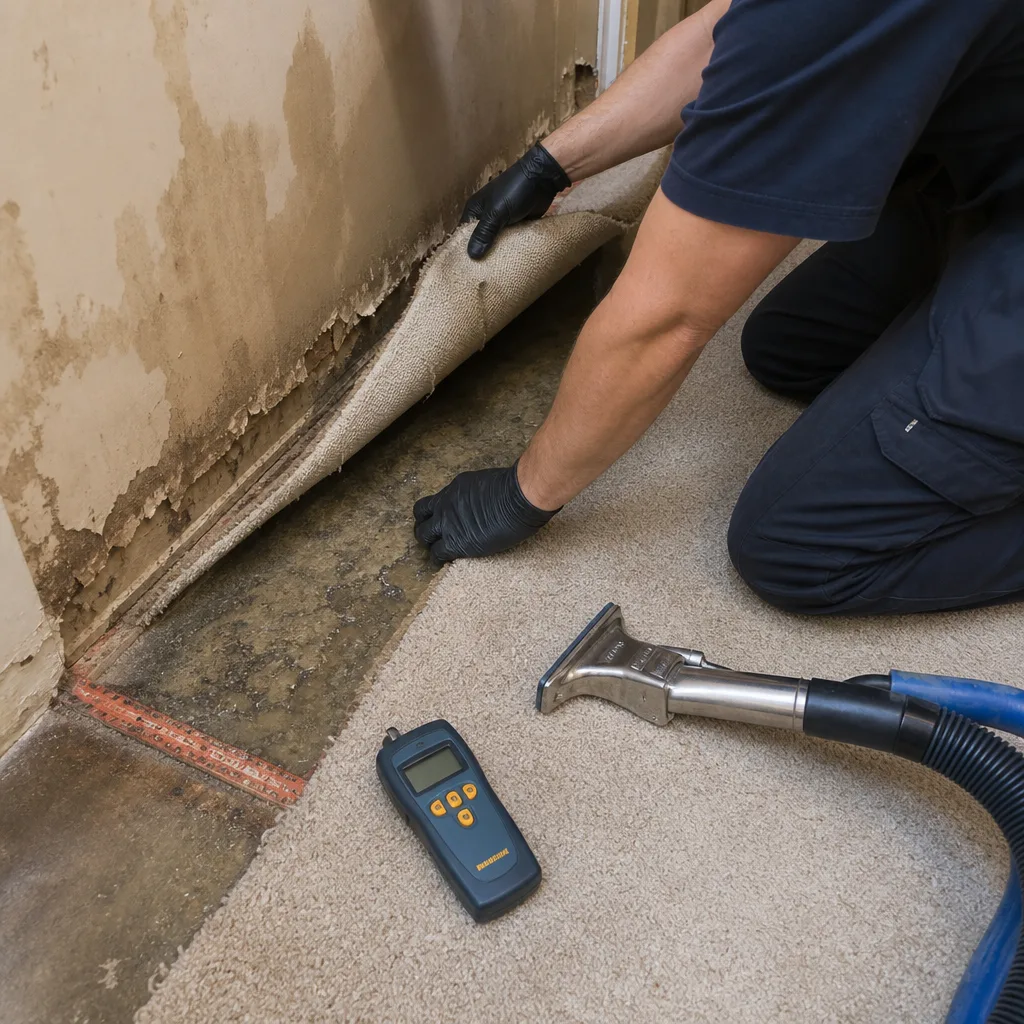
Moisture & Humidity Control
Controlling moisture in New York means addressing the source, not just the symptom. We install temporary or permanent dehumidification, repair condensate-drain failures, and coordinate with licensed plumbers for steam system repairs. Our drying equipment - Dri-Eaz, Phoenix, and Injectidry systems - is documented to IICRC and RIA standards, with daily logs tracking specific humidity and grain depression until materials reach established dry standards. For chronic humidity in below-grade units, we evaluate ventilation strategies that comply with NYC building codes and co-op alteration agreements.
What happens when you call
- 1
A real person answersNo phone trees - you reach a local pro.
- 2
You get an upfront price rangeHonest numbers before anyone is dispatched.
- 3
A background-checked tech heads outLicensed & insured, dispatched right away.
- 4
You approve before work beginsNothing starts until you say go.
BeforeAfterTrusted Brands We Service in New York
Our equipment inventory is stocked for New York’s specific challenges. We deploy Dri-Eaz and Phoenix dehumidification systems rated for the high latent loads of basement and ground-floor units in flood-prone zones like Red Hook and the Rockaways, where Hurricane Sandy’s legacy means we routinely work within Post-FIRM elevation requirements. Injectidry systems allow us to dry inside wall cavities without removing intact horsehair plaster - critical in landmark or rent-stabilized buildings where preservation matters. XPOWER and B-Air air movers are spec’d for the tight quarters of pre-war apartments, with variable speed and low amp draw to avoid overloading aging electrical panels. All work is documented to IICRC, RIA, and IFA standards, producing the daily drying logs that turn restoration invoices into payable insurance claims.
Common Mold Remediation Problems We See in New York Homes
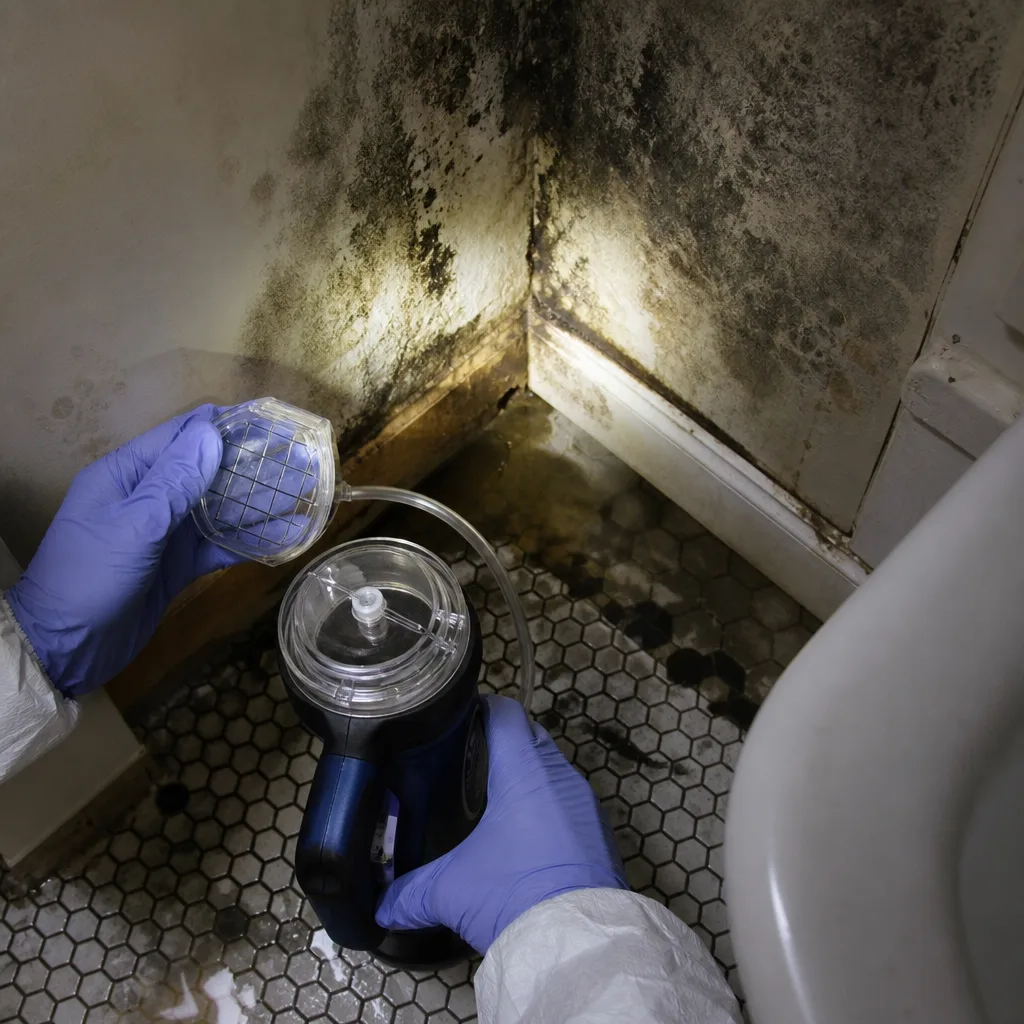
- Hidden steam system leaks in pre-war buildings. Original two-pipe steam heating in the Bronx and upper Manhattan sends condensate migrating through wall cavities for weeks before visible staining appears. We trace upward through radiator chases before writing any drying plan.
- Asbestos investigation delays under Local Law 15. Contractors who disturb pre-1980 plaster or pipe insulation without NYC DEP clearance face stop-work orders that stall remediation and extend claim timelines. We build asbestos testing into every pre-war scope from day one.
- Multi-unit coordination failures. Air movers and dehumidifiers placed without building management approval in shared-wall buildings trigger neighbor complaints and access disputes. We notify all affected parties and document permissions before equipment runs.
- Rebound growth from incomplete source removal. Surface cleaning without addressing the underlying moisture source - often a failed steam trap, roof leak, or facade intrusion from freeze-thaw cycle damage - means mold returns within weeks. Our scopes include source identification and repair coordination.
Pricing for Mold Remediation in New York, NY
Mold inspection and testing in New York runs $450-$850 for residential units, with multi-floor co-op investigations toward the higher end. Contained mold removal in a typical one-bedroom pre-war apartment ranges $2,800-$5,200; full remediation with asbestos coordination, multi-unit containment, and air quality restoration in larger or more complex buildings runs $5,500-$7,500 and above. Moisture and humidity control system installation adds $1,200-$3,400 depending on equipment and permanence.
What drives cost: square footage of affected area, material type (horsehair plaster requires more careful handling than drywall), asbestos testing and potential abatement coordination, number of units affected, and whether source repair is included. Every scope is priced in writing before work begins - Haven Standard, Clause 1 - with no additions once the crew is inside. We also offer a free second opinion on any competitor’s written estimate. Call (551) 212-1492 for exact pricing on your specific situation.
We Also Serve Cities Near New York
Our Mold Remediation in New York coverage extends to Manhattan, Long Island City, and Astoria, with the same documentation standards and written-price guarantee on every job. Dispatch is coordinated from our New York City office for rapid response across all three boroughs.
Serving New York, NY - Our Local Coverage Area
We’re based in the New York area and know this community well. Use the map below to see our service coverage - if you’re nearby, we can almost certainly help.
FAQs - Mold Remediation in New York
Yes. Under NYC Local Law 15, any disturbance of materials in buildings constructed before 1980 requires asbestos investigation by a NYC DEP-certified inspector before work begins. We coordinate this testing as part of our standard scope; skipping it exposes you to stop-work orders, fines, and denied insurance claims. Call (551) 212-1492 and we’ll walk you through the timeline - estimates are free.
Rebound growth almost always means the moisture source was never found. In Bronx pre-war buildings with original two-pipe steam systems, failed steam traps and condensate-return line leaks send water silently through wall cavities for weeks before any surface appears wet. We use thermal imaging and moisture mapping to trace these hidden sources upward through radiator chases, then repair the steam system as part of remediation. Without that step, you’re paying to clean the same mold twice.
Mold colonization can begin within 24-48 hours of moisture intrusion, and in New York’s humid summer months with limited ventilation in pre-war buildings, we’ve seen visible growth in 72 hours. The real risk in NYC housing is that leaks often go undetected for days or weeks - condensate from steam systems, facade seepage from freeze-thaw damage, or flat-roof ponding in mid-century buildings all provide sustained moisture without immediate signs. Speed matters, but accurate source identification matters more. Call (551) 212-1492 for same-day inspection.
Category 1 is clean water from a supply line; Category 2 is gray water with contamination from dishwashers, washing machines, or sump failures; Category 3 is black water from sewage, seawater, or rising groundwater. In New York, Hurricane Sandy’s flood zones mean Category 3 events are more common in Red Hook, the Rockaways, Coney Island, and parts of Lower Manhattan than in inland markets. Category 2 and 3 water requires more aggressive antimicrobial treatment and often triggers additional NYC Department of Health oversight. Our scopes specify water category, required treatment protocol, and documentation standard for your insurer.
Yes, when coordination is built into the scope from the start. We notify building management, document access permissions, schedule noisy work within co-op alteration agreement hours, and contain air pressure so spores and dust don’t migrate through shared wall cavities. Our crews are background-checked and uniformed; license numbers are provided to the board on request. The key is communication before equipment arrives, not apologies after. Call (551) 212-1492 and we’ll review your building’s specific requirements.
Written by Alicia Brennan, Owner at DryMark Restoration, serving New York since 2011.