
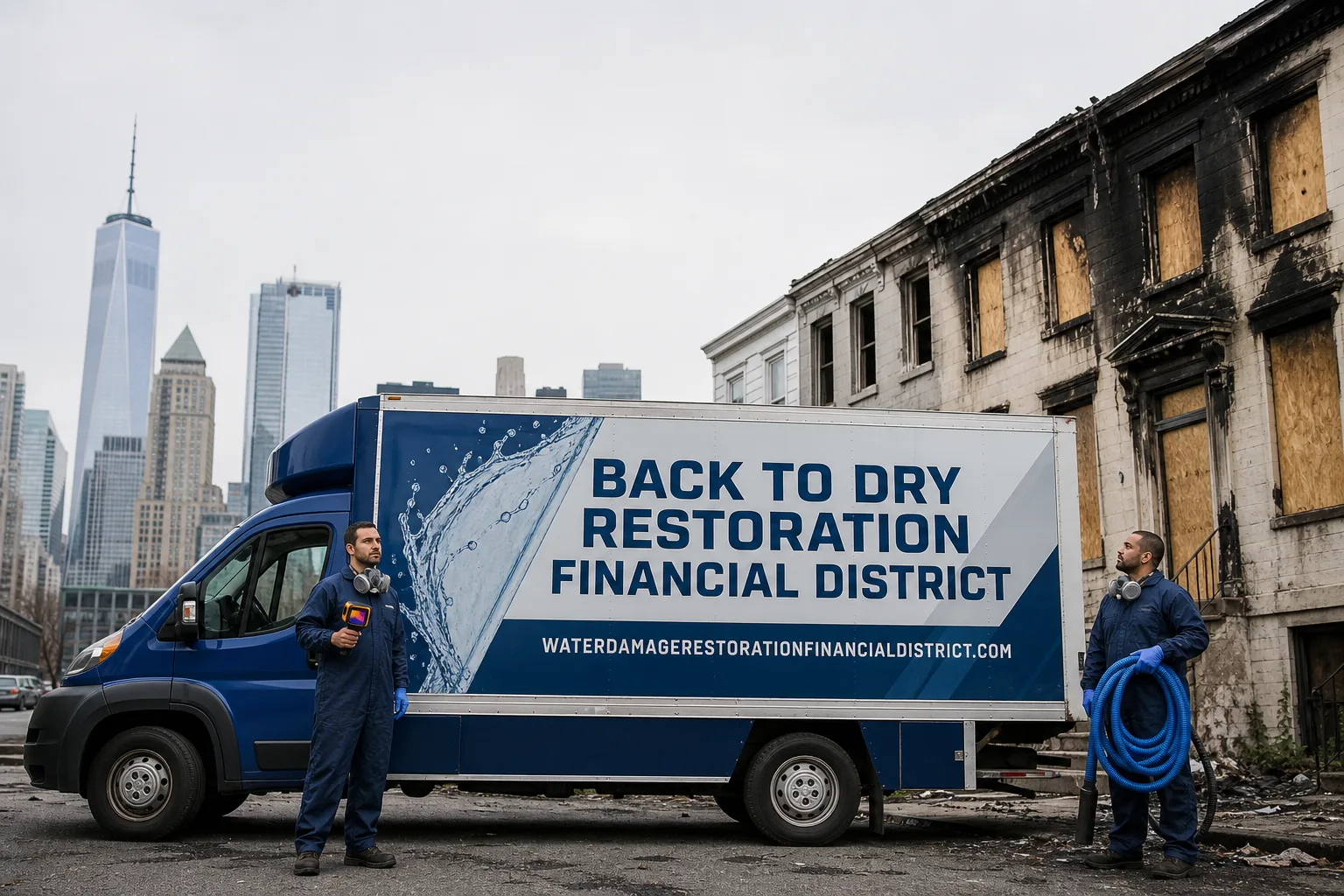
Free visual inspection and a written scope of work before any mitigation begins - photos, moisture readings, and drying logs go in your claim file
The scope we write is the scope we bill. Anything new gets shown to you, in writing, before we touch it.
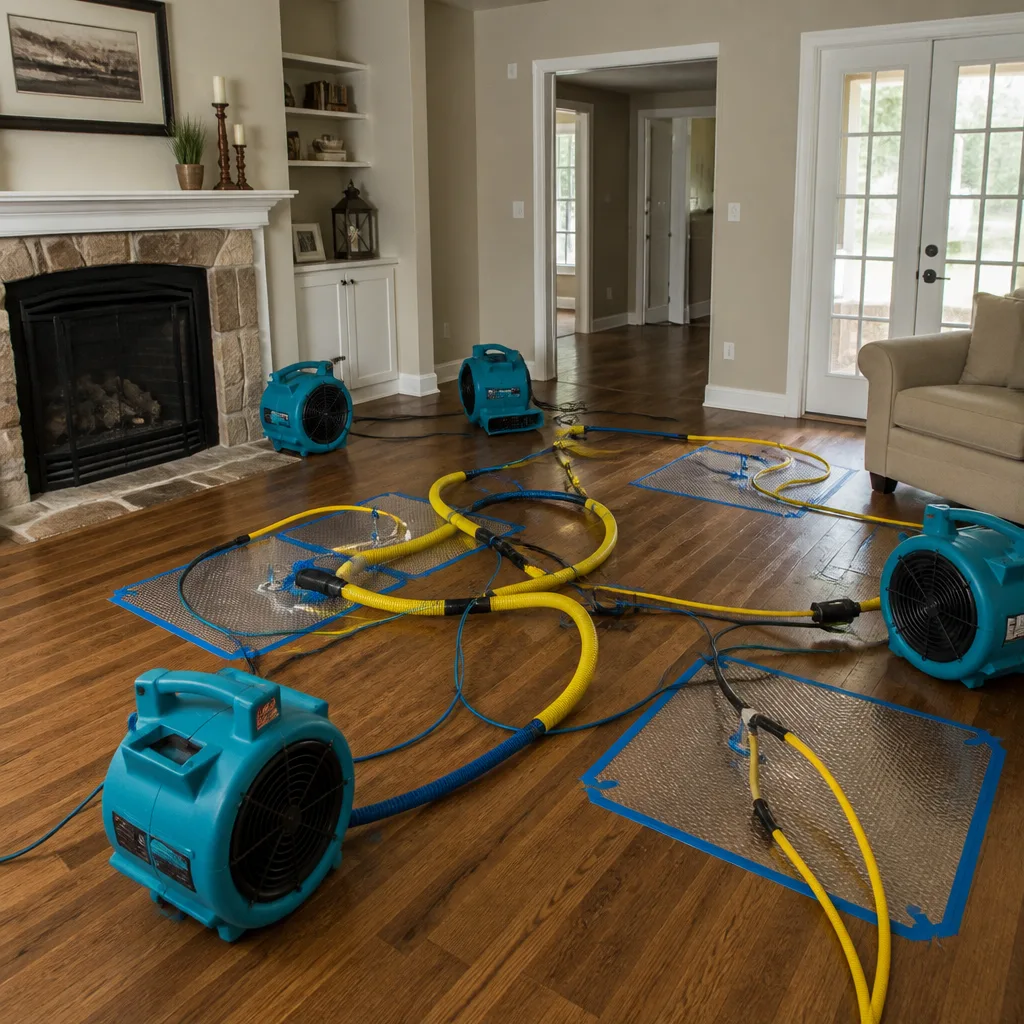
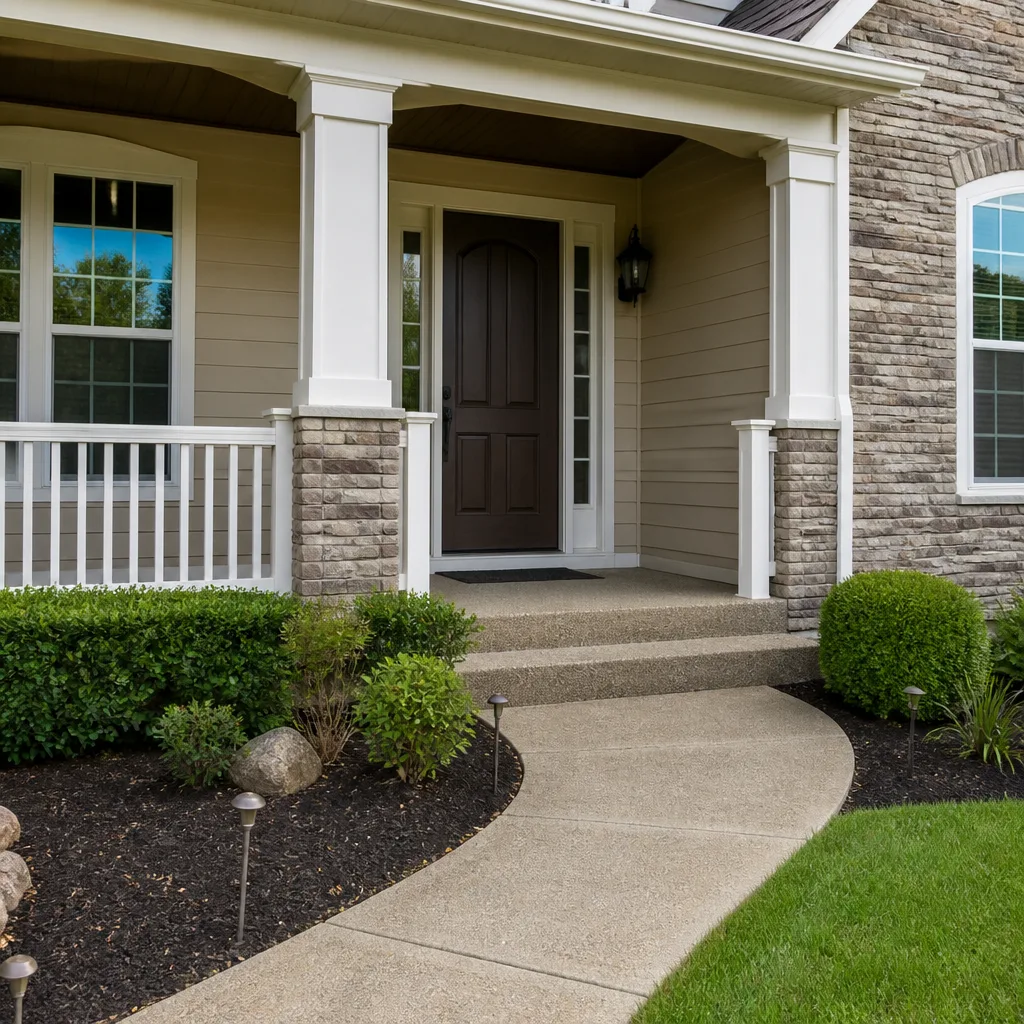
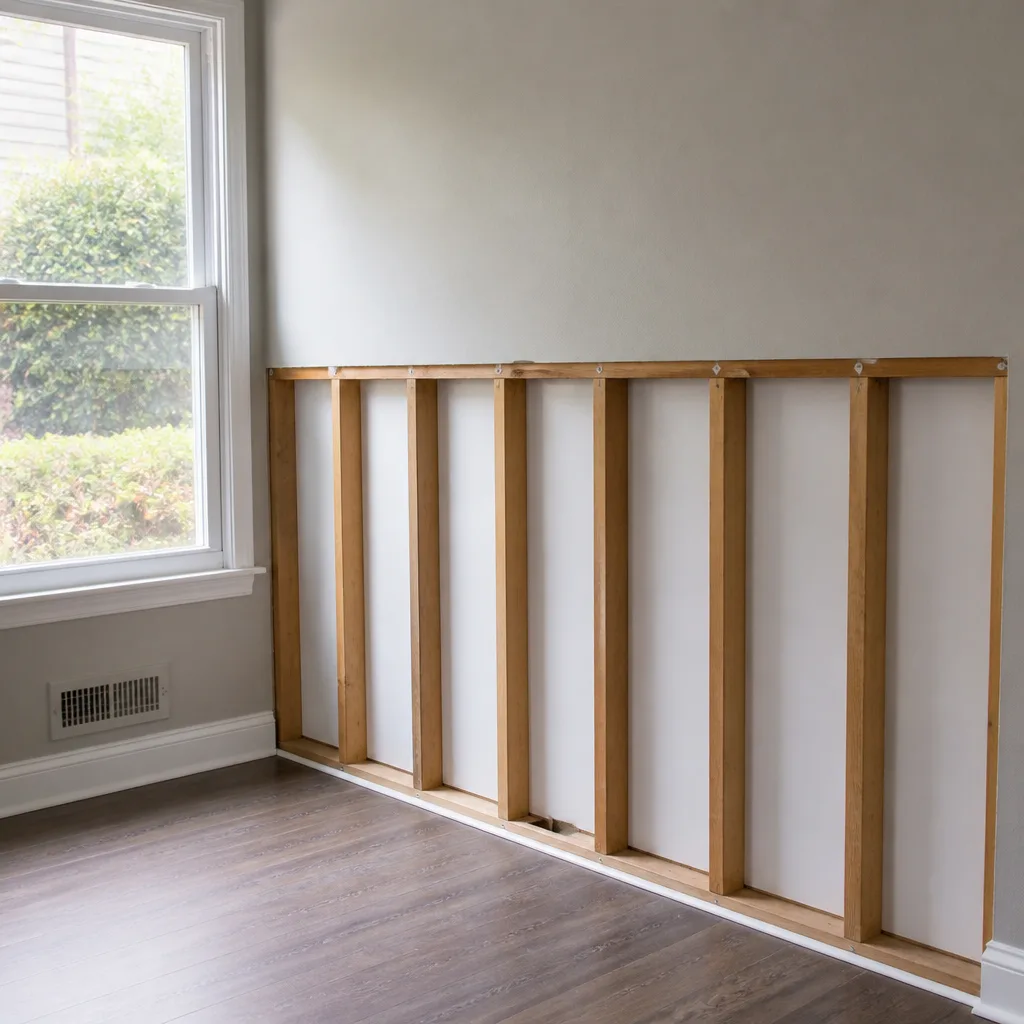
 Before
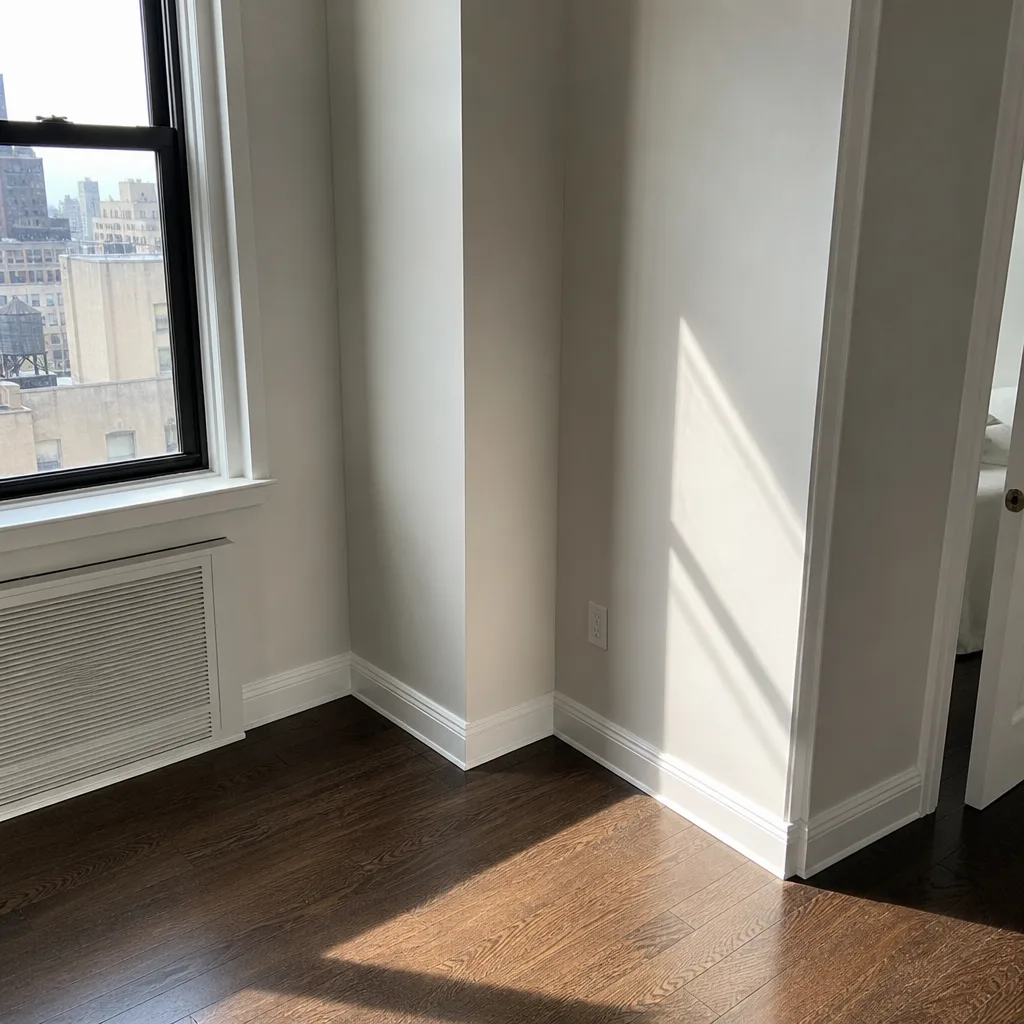 After
After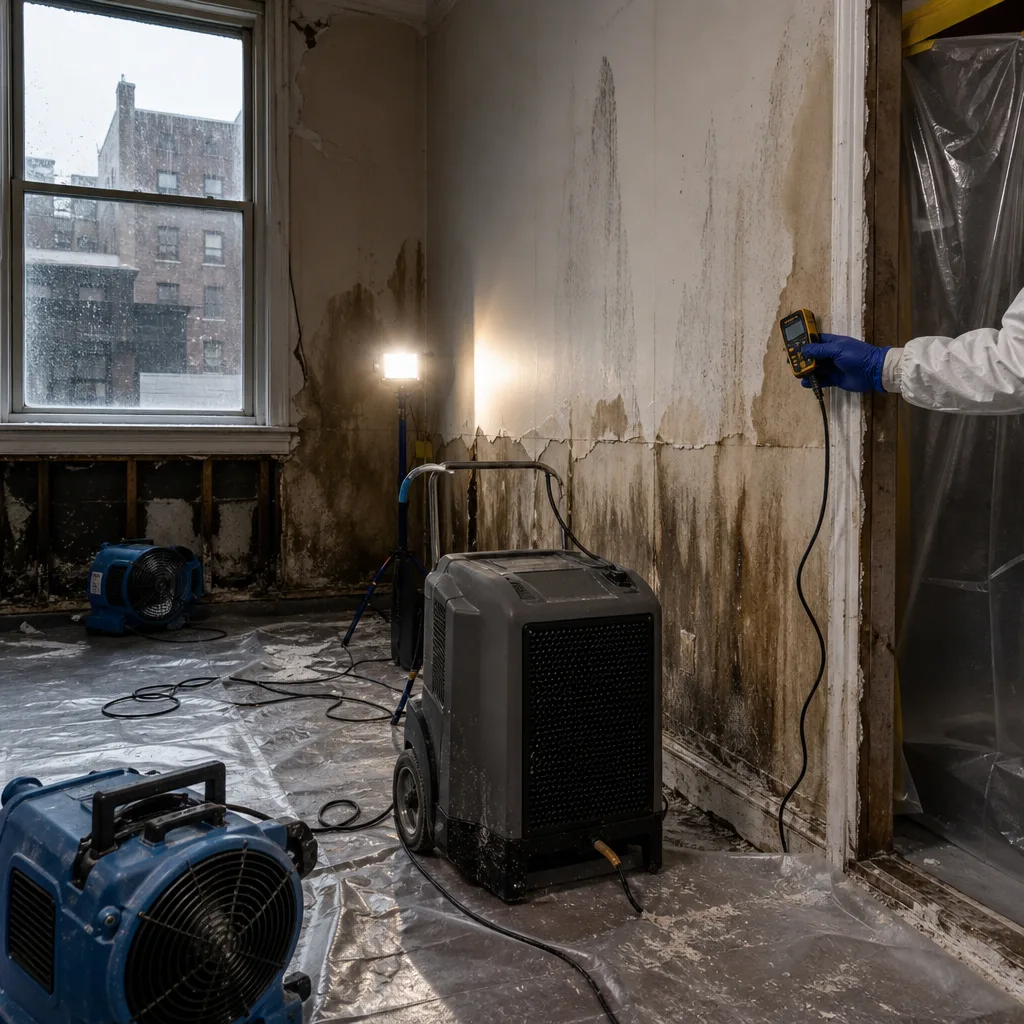 Before
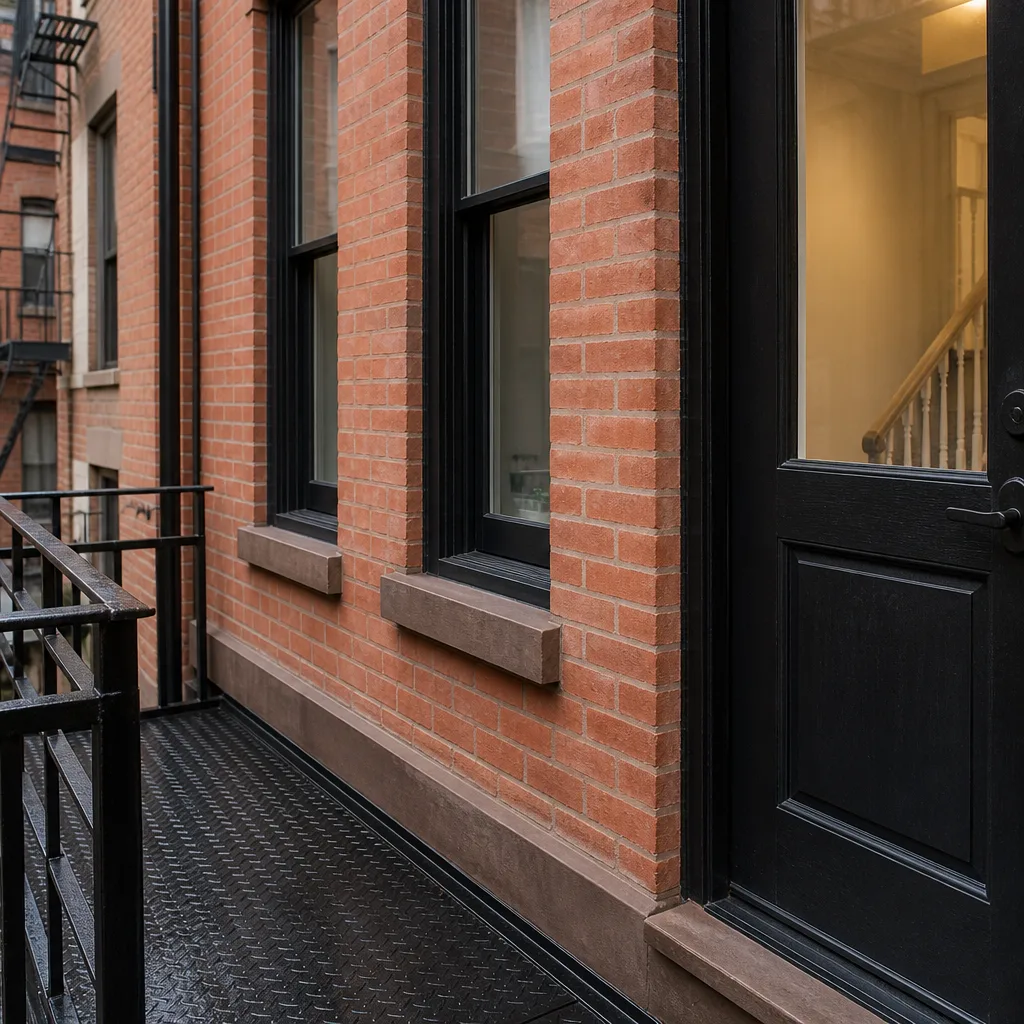 After
After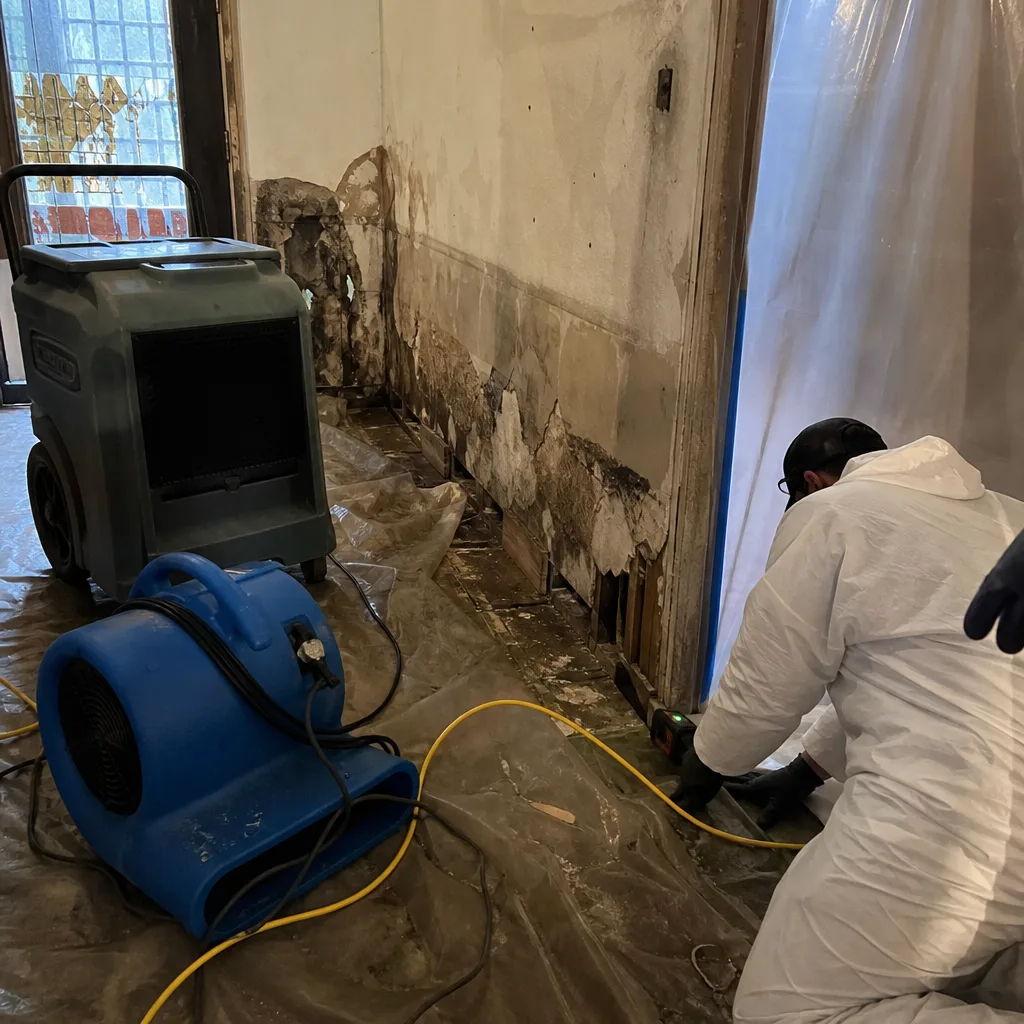 Before
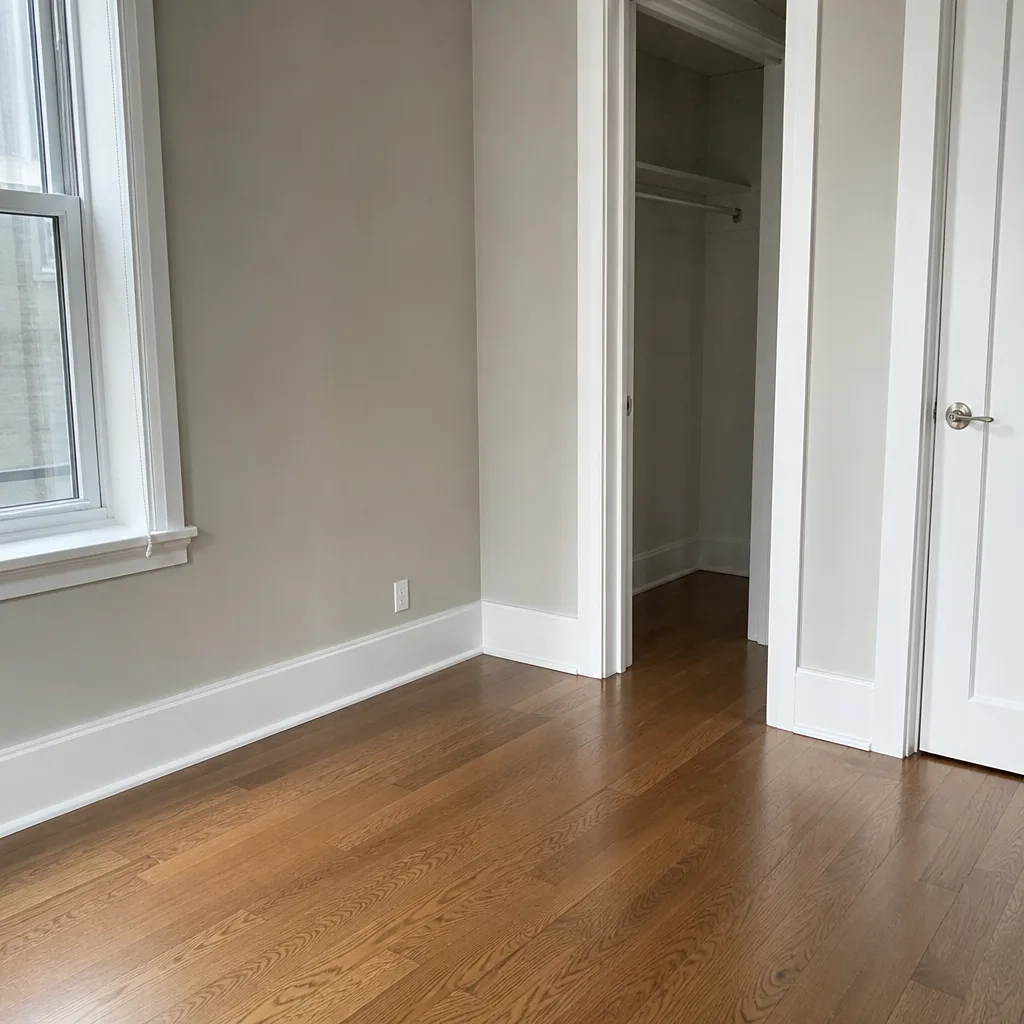 After
AfterFast, Reliable Water Damage Restoration Across Brooklyn Heights
Water damage restoration in Brooklyn Heights typically runs $2,800-$8,500 for a standard residential dry-out, with emergency water extraction starting at $1,200-$2,400 and structural drying adding $1,600-$6,100 depending on square footage and material saturation. Most Brooklyn Heights properties see our crew on-site within 60-90 minutes of dispatch from our New York City office. Call (551) 212-1492 now; a live person answers every emergency line, 24 hours a day, 7 days a week.
We’ve restored water-damaged properties throughout Brooklyn Heights since 2011, from the Federal-style rowhouses along Pierrepont Street to the converted multi-family brownstones off Montague Street and the English basements tucked beneath Clinton Street’s Italianate facades. The neighborhood’s 19th-century construction, landmark preservation rules, and shared party walls create restoration challenges you won’t find in newer buildings across the East River. Our Water Damage Restoration team documents every moisture reading, every photo, every drying log to IICRC standards so your insurance claim processes without dispute.
Why DryMark Restoration Financial District Is Brooklyn Heights’s Preferred Water Damage Restoration Company
DryMark Restoration, led by Alicia Brennan, has completed 12,000+ restorations since 2011, every one with a written price before work started and a documented record when the crew left. That documentation-first approach was built by a former claims adjuster who watched too many homeowners lose coverage because their restoration company couldn’t produce the paperwork.
In Brooklyn Heights specifically, our reputation rests on landmark-compliance work. We’ve sourced traditional lime-based plaster for LPC-approved repairs on water-damaged ceilings in Greek Revival rowhouses, documented pre-loss conditions with photo records that satisfied adjusters on Montague Street properties, and traced moisture migration through party walls in converted brownstones where the visible damage was only half the story. Reviews from Brooklyn Heights customers consistently cite our written scopes and the 365-Day Done Right Promise backed by The Haven Standard.
Response time to Brooklyn Heights averages 60-90 minutes from dispatch. Crews carry Phoenix dehumidifiers, Dri-Eaz air movers, and Injectidry systems configured for the tight floor plans and original plaster walls common to the neighborhood’s 1820s-1880s housing stock. Every technician is background-checked, uniformed, and licensed; their license number is provided before arrival.
Our Water Damage Restoration Services in Brooklyn Heights
Emergency Water Extraction
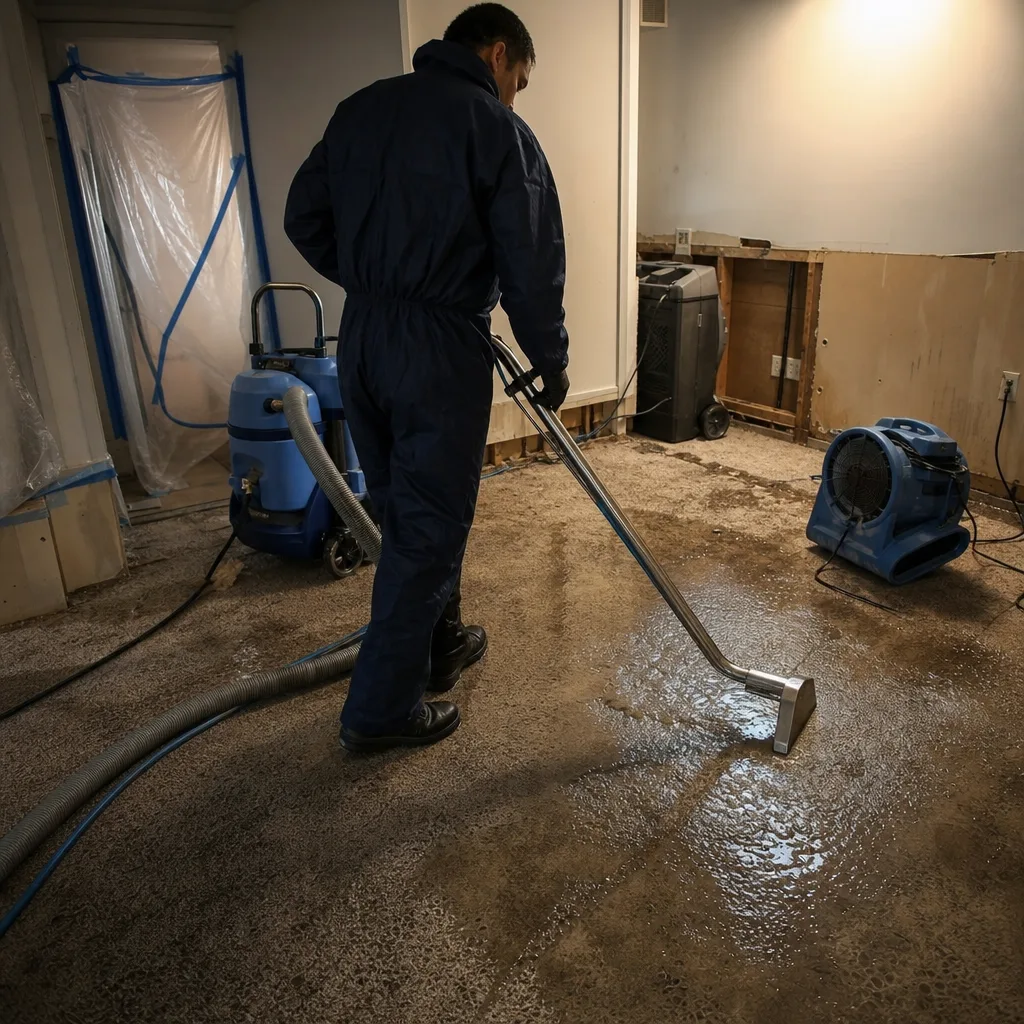
Standing water in a Brooklyn Heights English basement or first-floor parlor demands immediate removal, but the extraction method changes when the subfloor is original wide-plank pine over hand-cut joists rather than modern plywood and OSB. Our truck-mounted extraction systems pull water from carpet, hardwood, and bare substrate without forcing moisture deeper into historic structural members. On a recent call to a Pierrepont Street brownstone, we extracted 340 gallons from a burst radiator line in a converted basement apartment, then deployed sub-surface extraction tools to pull residual water from between the plank gaps before it wicked into the joist bays.
Structural Drying & Dehumidification
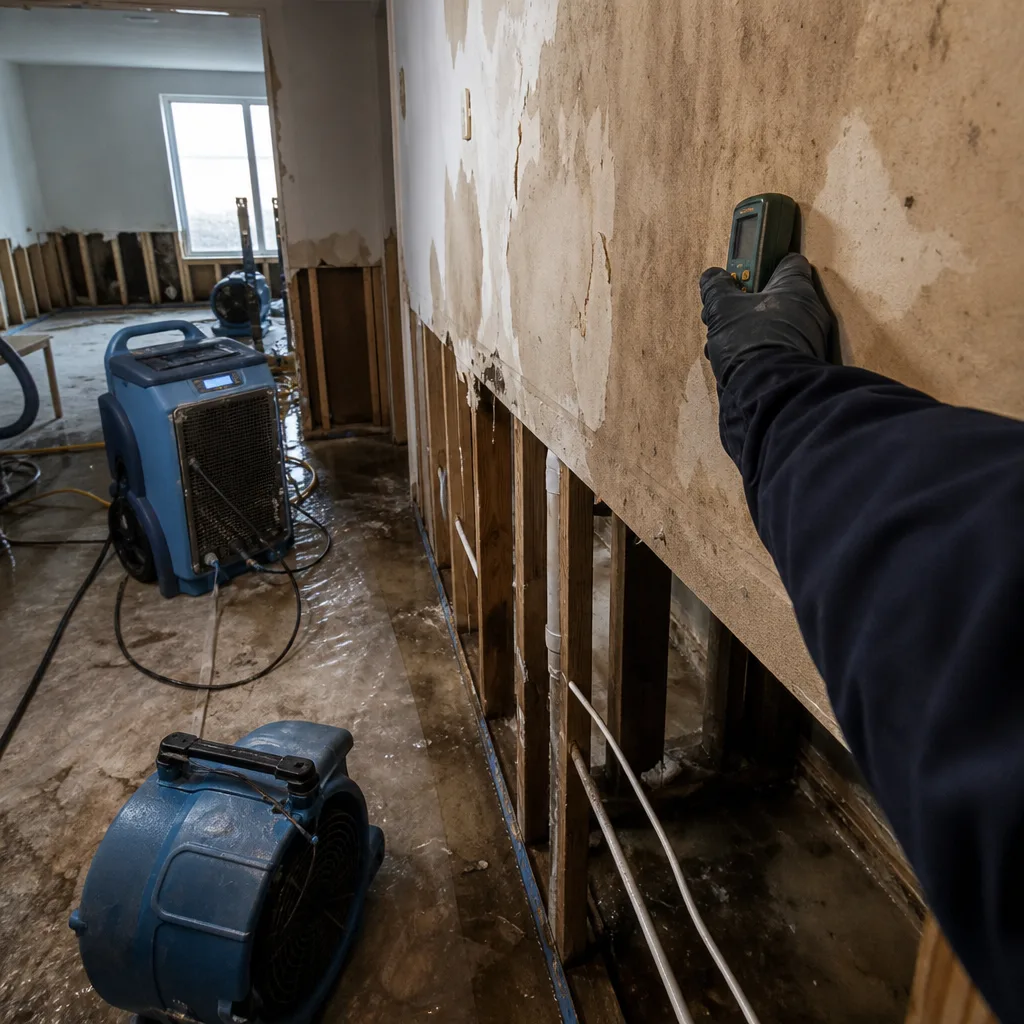
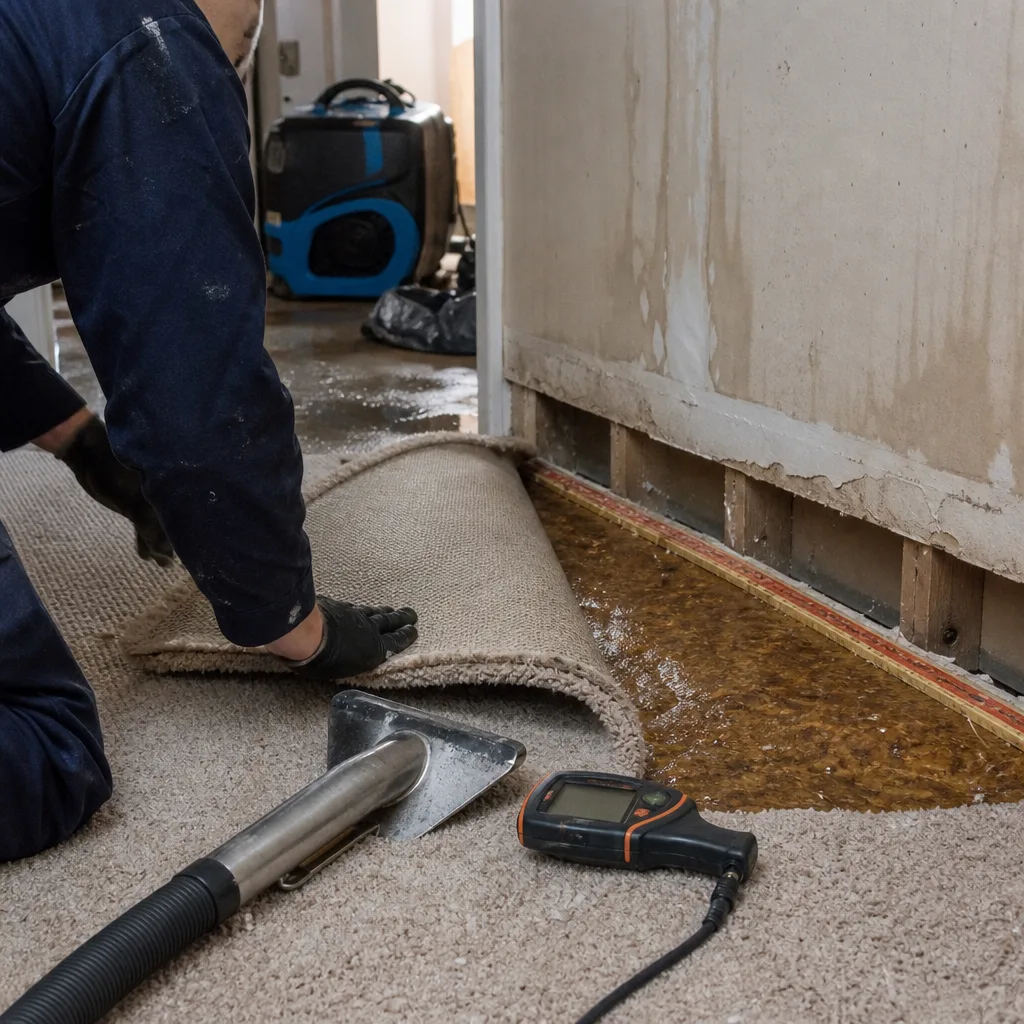
Drying a Brooklyn Heights brownstone requires psychrometric data - temperature, relative humidity, and vapor pressure differential readings - taken daily and logged to IICRC S500 standards. Original horsehair plaster over wood lath behaves differently than modern drywall: it holds more moisture, releases it more slowly, and can delaminate if dried too aggressively. We position Phoenix LGR dehumidifiers and Dri-Eaz axial air movers to create controlled airflow across plaster surfaces, monitoring with thermal imaging and penetrating moisture meters until readings stabilize below 16% wood moisture content. Tertiary drying, the final phase where hidden moisture in dense materials equalizes with the room environment, often extends 24-72 hours longer in Brooklyn Heights rowhouses than in post-war construction.
Flood Cleanup
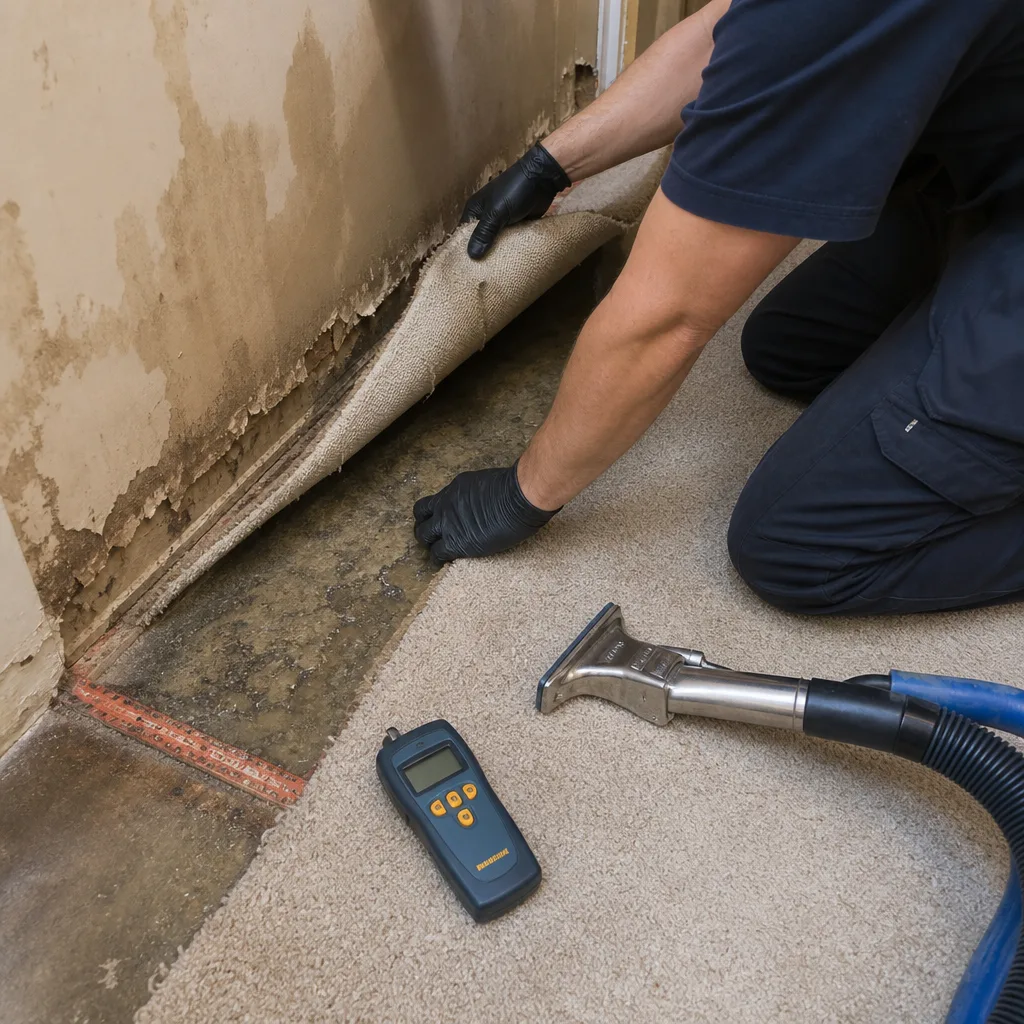
Brooklyn Heights sits above the East River on a glacial-moraine bluff, which spared it from Hurricane Sandy’s direct surge but did nothing to protect its aging combined sewer infrastructure. During heavy summer rain and nor’easters, sewer backup floods English basements along Hicks Street and Henry Street with contaminated Category 3 water requiring full sanitation protocol. Our flood cleanup in Brooklyn Heights includes extraction, antimicrobial application to all affected surfaces, removal of porous materials that cannot be sanitized, and documentation of contamination extent for your adjuster. Every step is photographed; the photo record is included as a standard deliverable, never an upsell.
Burst Pipe Restoration
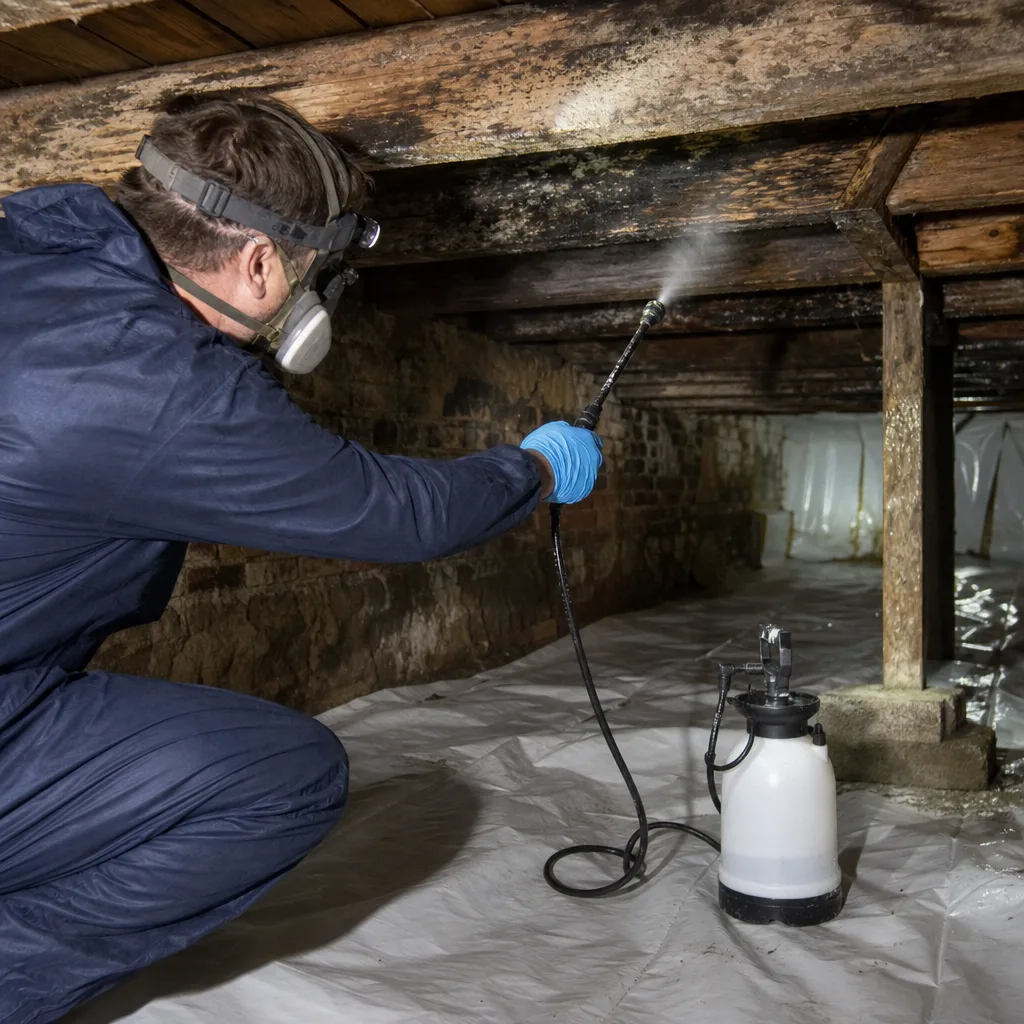
Burst pipe restoration in Brooklyn Heights rowhouses often reveals a second problem: the aging cast iron or galvanized supply lines that failed are part of a building-wide system at end-of-life. After emergency extraction and drying, we document the pipe failure point, the water migration path through original plaster and lath, and any damage to shared party walls that may involve neighboring units. Our written scope specifies replacement materials and methods; for landmarked properties, LPC pre-approval may be required before wall closure. Haven Standard, Clause 1: that written price is delivered before anyone starts work, every time, with no scope-creep additions once the crew is inside.
Ceiling & Roof Leak Water Damage
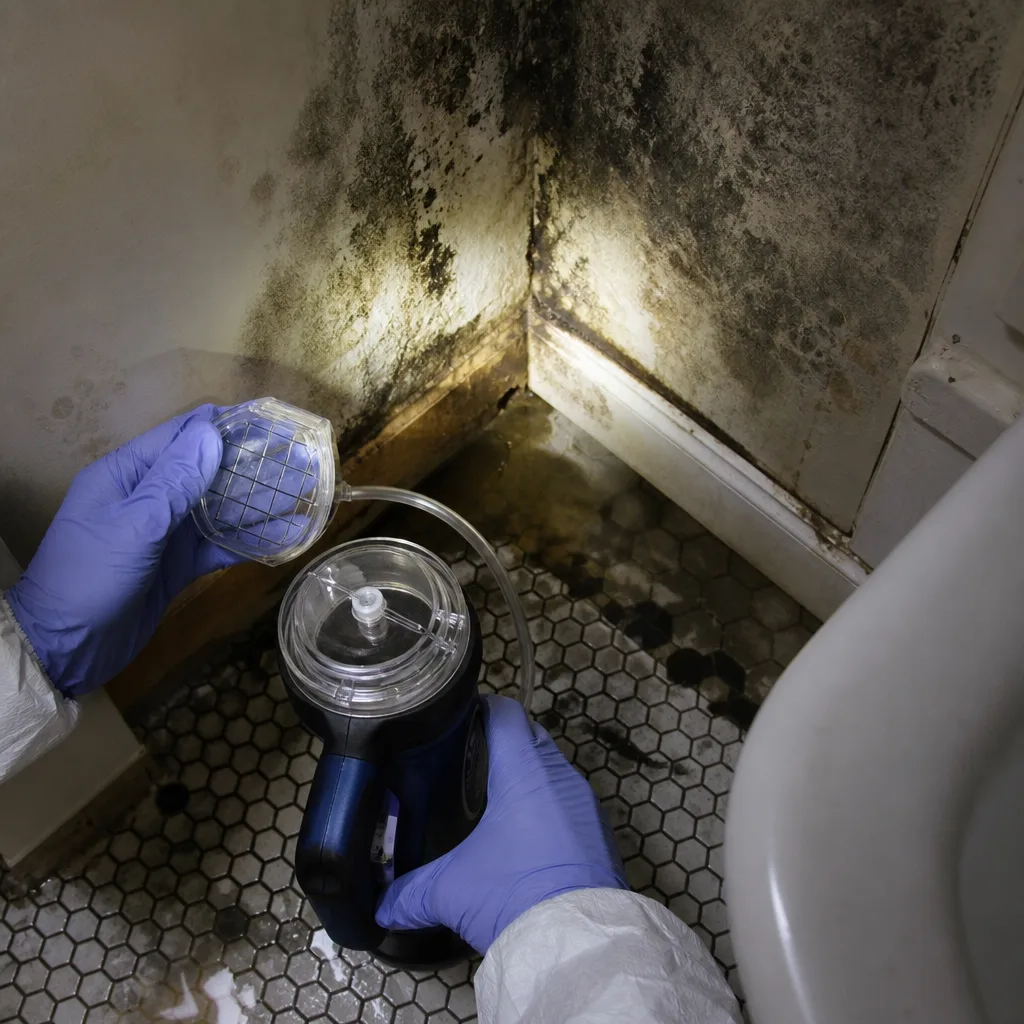
Slate and clay-tile roofs on Brooklyn Heights brownstones have been patchwork-repaired for over a century. Freeze-thaw deterioration of brownstone facades and parapet copings in the dense urban-canyon environment creates chronic infiltration pathways that feed rot behind original plaster. When a ceiling leak opens, the visible stain is often the last symptom, not the first. We trace the leak path with moisture mapping, document the full affected area including hidden wet lath, and specify lime-based plaster repair for LPC compliance rather than gypsum drywall that would be rejected and require costly removal.
Basement Water Removal
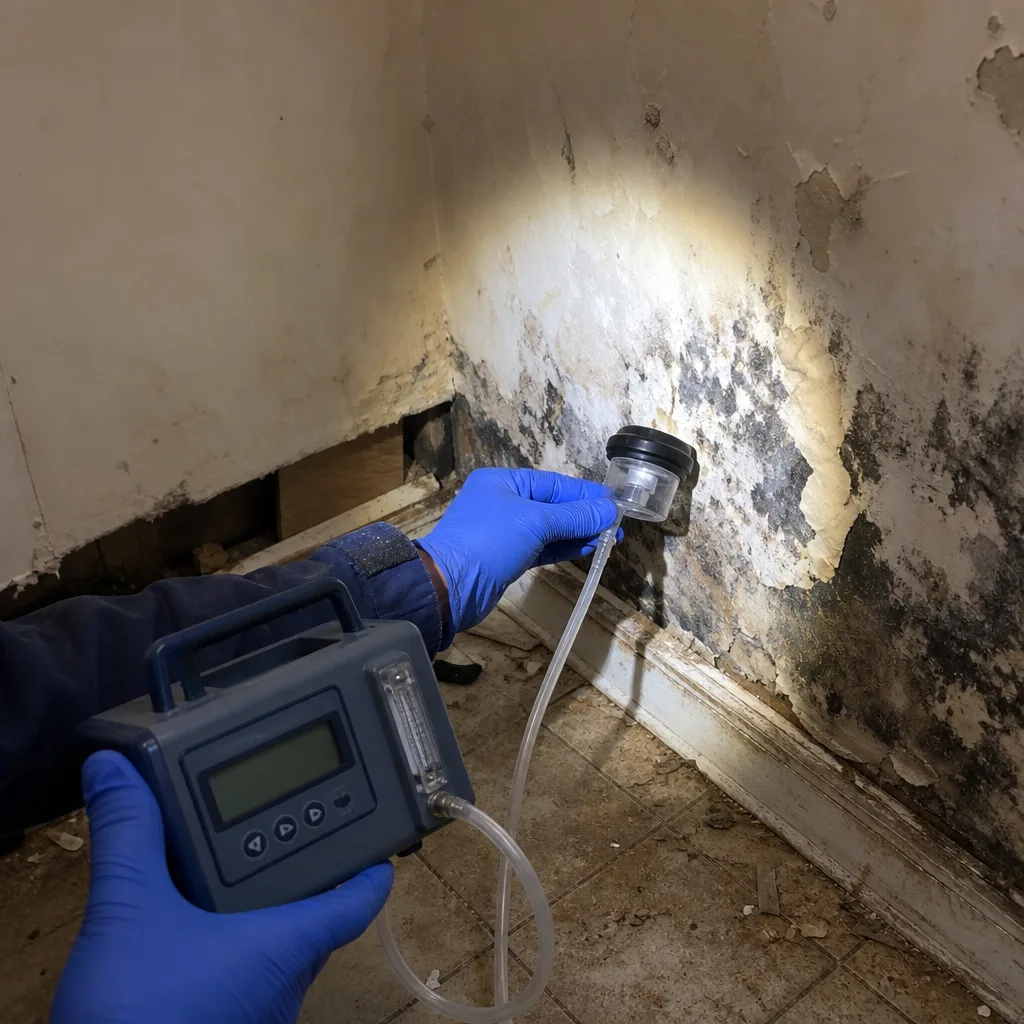
Below-grade English basements in Brooklyn Heights are particularly vulnerable to hydrostatic pressure and sewer backup. Original stone or brick foundations allow seepage that modern poured walls would block; interior perimeter drainage is often absent or failed. Our basement water removal includes extraction, foundation moisture assessment, and documentation of whether the water source is groundwater intrusion, plumbing failure, or sewer backup - each with different insurance implications and remediation requirements.
What happens when you call
- 1
A real person answersNo phone trees - you reach a local pro.
- 2
You get an upfront price rangeHonest numbers before anyone is dispatched.
- 3
A background-checked tech heads outLicensed & insured, dispatched right away.
- 4
You approve before work beginsNothing starts until you say go.
BeforeAfterTrusted Brands We Service in Brooklyn Heights
Our equipment inventory includes professional-grade drying systems from Dri-Eaz, Phoenix, and XPOWER, with Injectidry systems for wall-cavity and hardwood drying in tight brownstone floor plans. We stock HEPA-filtered air scrubbers, submersible pumps, and moisture detection tools configured for the dense, historic construction common to Brooklyn Heights. Parts and replacement equipment are sourced through regional distributors with same-day availability to Brooklyn Heights, minimizing downtime between extraction and full drying. All work is documented to IICRC, RIA, and IFA standards, producing the daily moisture logs and photo records that turn restoration invoices into payable insurance claims.
Common Water Damage Restoration Problems We See in Brooklyn Heights Homes
- LPC non-compliance on repairs. Using gypsum drywall to patch a water-damaged wall in a landmarked rowhouse violates Landmarks Preservation Commission rules. The work is rejected, the drywall must be removed, and the job restarts with traditional lime-based plaster at double the cost and triple the timeline.
- Cross-property moisture migration. Converted multi-family brownstones share party walls without modern fireblocking or moisture barriers. Water from a burst pipe in one unit routinely travels through wall cavities into neighboring properties, leaving hidden moisture that structural drying must address even when the adjacent unit looks dry.
- Mold on wet lath and plaster. Original horsehair plaster and wood lath provide organic material that supports mold growth within 24-48 hours of saturation. Delaying restoration beyond that window turns a dry-out job into a full mold remediation with LPC complications.
- Chronic facade infiltration. Deteriorated brownstone parapet copings and window lintels allow repeated water entry that owners mistake for isolated leaks. Without addressing the source, restoration becomes a recurring expense.
Pricing for Water Damage Restoration in Brooklyn Heights, NY
| Service | Typical Range in Brooklyn Heights |
|---|---|
| Emergency water extraction (up to 1,000 sq ft) | $1,200 - $2,400 |
| Structural drying & dehumidification | $1,600 - $6,100 |
| Category 3 flood cleanup (sewer backup) | $4,500 - $11,000 |
| Burst pipe restoration with wall repair | $3,200 - $8,800 |
| Ceiling leak repair with LPC-compliant plaster | $5,500 - $14,000 |
| English basement full extraction & dry-out | $2,800 - $7,200 |
Three factors push Brooklyn Heights jobs toward the higher end: LPC materials sourcing and inspector sign-off add 1-3 weeks to plaster repair timelines; original horsehair plaster requires gentler, longer drying protocols than modern drywall; and party-wall moisture migration often expands the affected square footage beyond the visible damage. Every job is quoted in writing before work begins, Haven Standard, Clause 1, with no exceptions. Bring a competitor’s written estimate and we’ll review it free - our Free Second Opinion policy.
Call (551) 212-1492 for your written estimate. Estimates are free.
We Also Serve Cities Near Brooklyn Heights
Our crews respond from the New York City office to Brooklyn Heights, Financial District, Williamsburg, Murray Hill, and Midtown Manhattan. Each city’s building stock, regulatory environment, and typical failure modes inform how we scope and document work - a Park Avenue co-op claim requires different paperwork than a landmarked Brooklyn Heights brownstone, and we adjust accordingly.
Serving Brooklyn Heights, NY - Our Local Coverage Area
We’re based in the Brooklyn Heights area and know this community well. Use the map below to see our service coverage - if you’re nearby, we can almost certainly help.
FAQs - Water Damage Restoration in Brooklyn Heights
Brooklyn Heights is New York City’s first designated historic district (1965), so virtually every restoration project in its 19th-century brownstones triggers Landmarks Preservation Commission review. Water-damaged plaster walls must be repaired with traditional lime-based plaster to satisfy LPC standards; gypsum drywall is typically rejected as a non-historic substitute. A job that takes two days in a newer building can require three weeks of materials sourcing, mock-up approval, and inspector sign-off before work even begins. Call (551) 212-1492 and we’ll outline the LPC timeline in your written scope.
Within 24 hours, and preferably sooner. Original horsehair plaster and wood lath in Brooklyn Heights brownstones support mold growth faster than modern drywall because the organic materials remain wet longer in dense, poorly ventilated wall cavities. After 48 hours, what began as a water extraction job typically becomes a water extraction plus mold remediation job, with corresponding cost and timeline increases. Our live dispatch answers 24/7; crews typically reach Brooklyn Heights properties in 60-90 minutes.
Yes, and it routinely does. The neighborhood’s converted multi-family brownstones share party walls without modern moisture barriers. Water from a burst pipe or roof leak migrates through wall cavities, along shared joist bays, and into adjacent units through gaps around original lath and plaster. Our moisture mapping traces these paths before structural drying begins, and we document cross-property damage for insurance liability purposes. Ignoring this migration leaves hidden moisture that causes mold behind intact plaster in neighboring units.
English basements - below-grade units with street-level front windows and sunken rear access - combine three complicating factors: original stone or brick foundations that allow seepage, aging combined sewer connections vulnerable to backup, and limited airflow that slows natural drying. Our process includes extraction, sub-surface moisture detection in foundation walls, antimicrobial application if sewer backup is involved, and forced structural drying with Phoenix dehumidifiers positioned to overcome the basement’s humidity load. Daily moisture logs track progress until readings stabilize.
Every visit produces a documented photo record, included as standard, never an upsell. For landmarked properties, we additionally photograph original material conditions - plaster type, lath configuration, trim profiles, finish details - before any disturbance. These photos, combined with our written scope and daily drying logs, establish the pre-loss baseline that adjusters require and that sloppy documentation often fails to provide. The 365-Day Done Right Promise backed by The Haven Standard ensures that if any documentation gap emerges, we make it right.
Call (551) 212-1492 now for a free written estimate. A live person answers every call, 24 hours a day, 7 days a week. No voicemail. No next-business-day callback while water is still moving.
Written by Alicia Brennan, Owner at DryMark Restoration, serving Brooklyn Heights since 2011.