
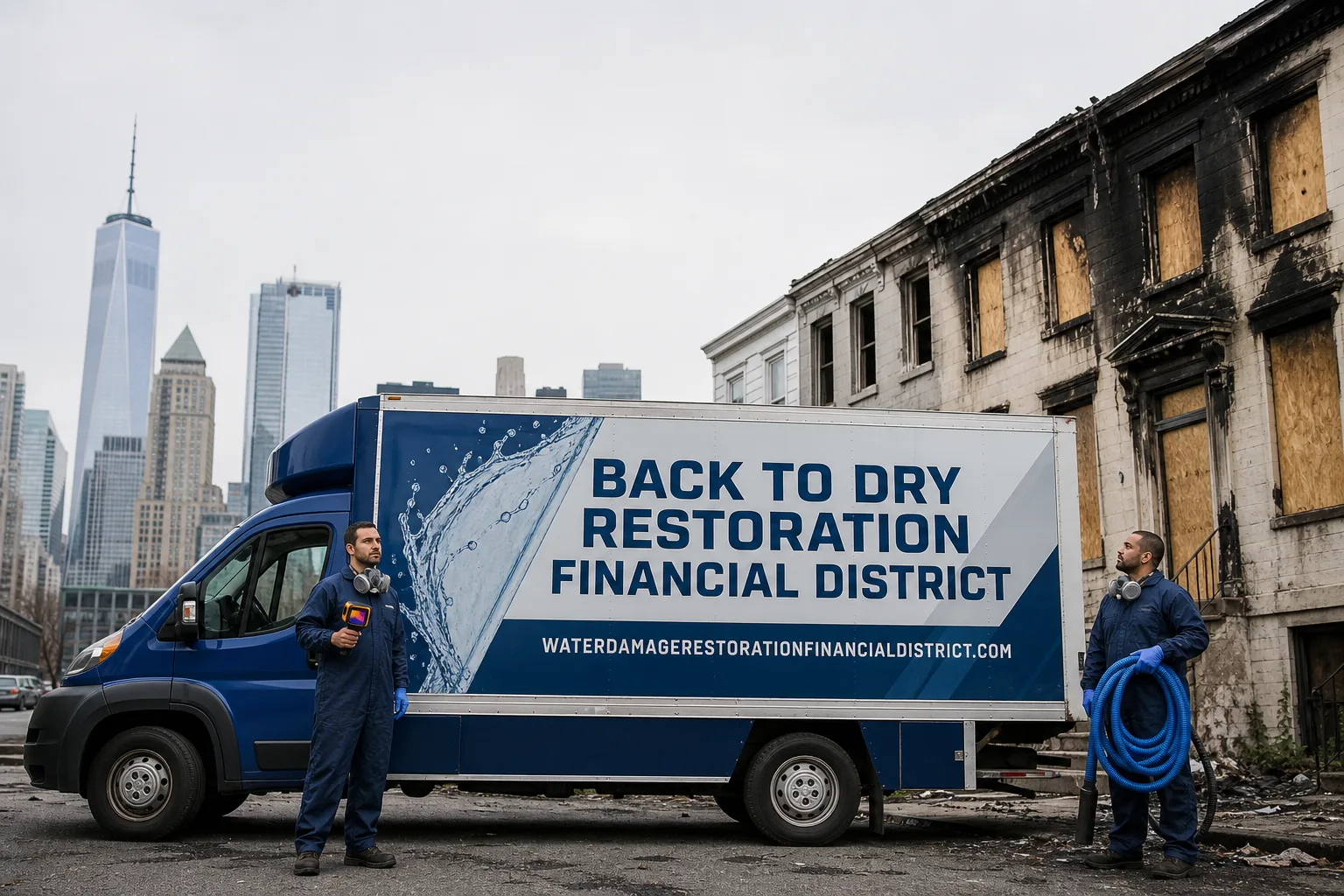
Free visual inspection and a written scope of work before any mitigation begins - photos, moisture readings, and drying logs go in your claim file
The scope we write is the scope we bill. Anything new gets shown to you, in writing, before we touch it.
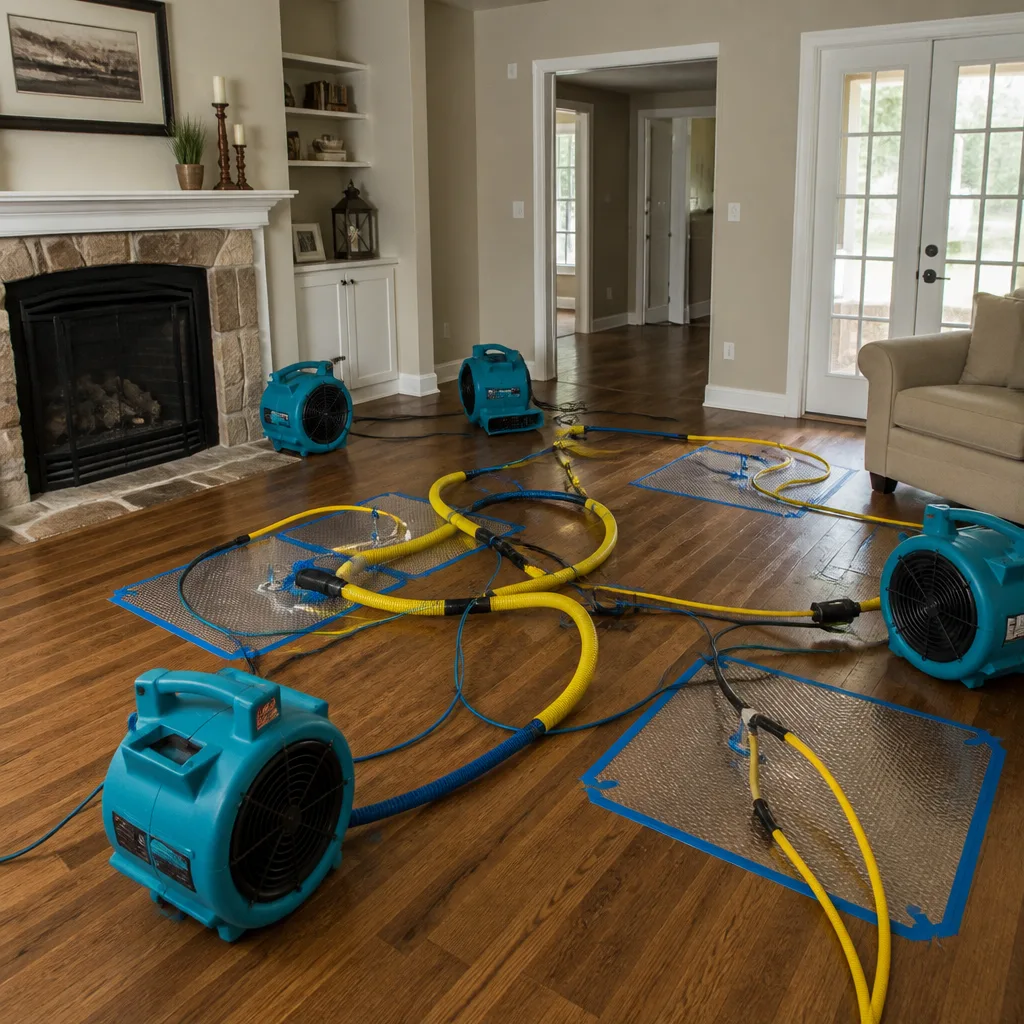
 Before
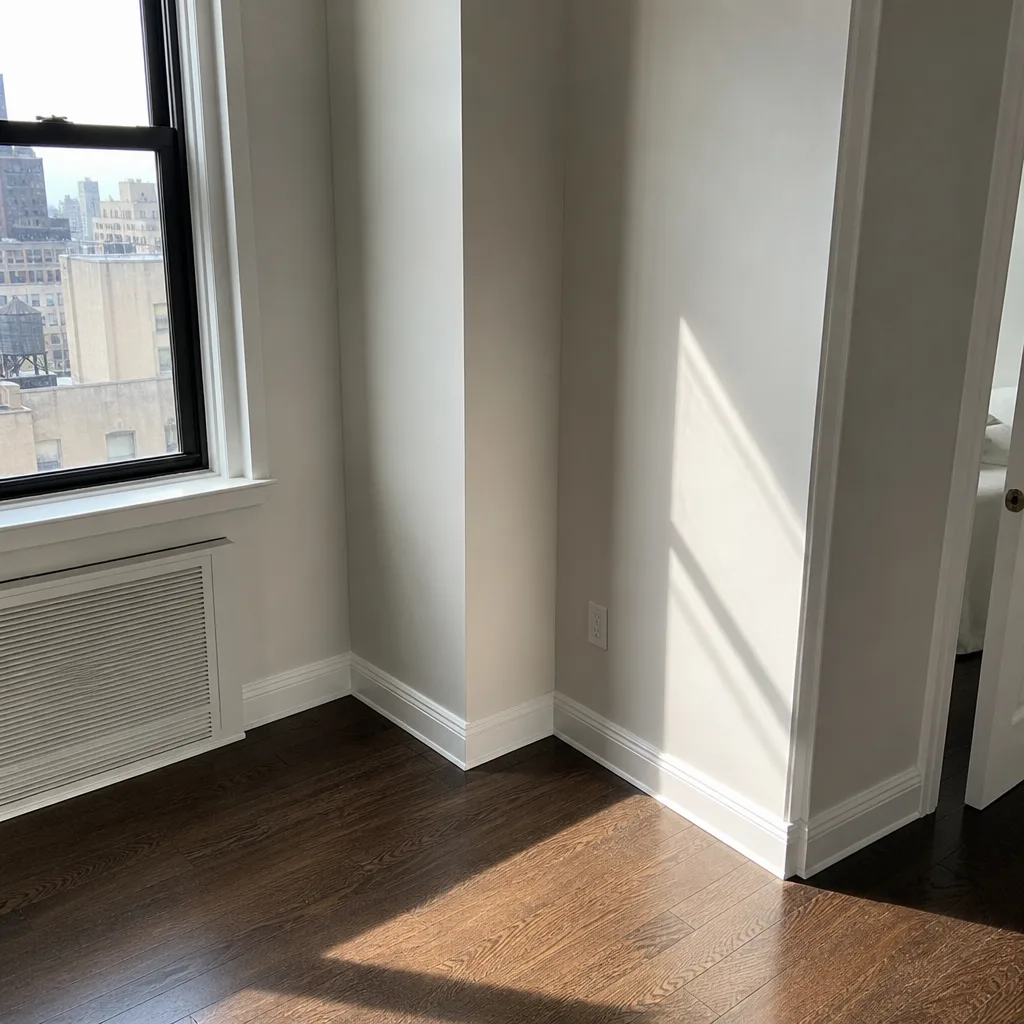 After
After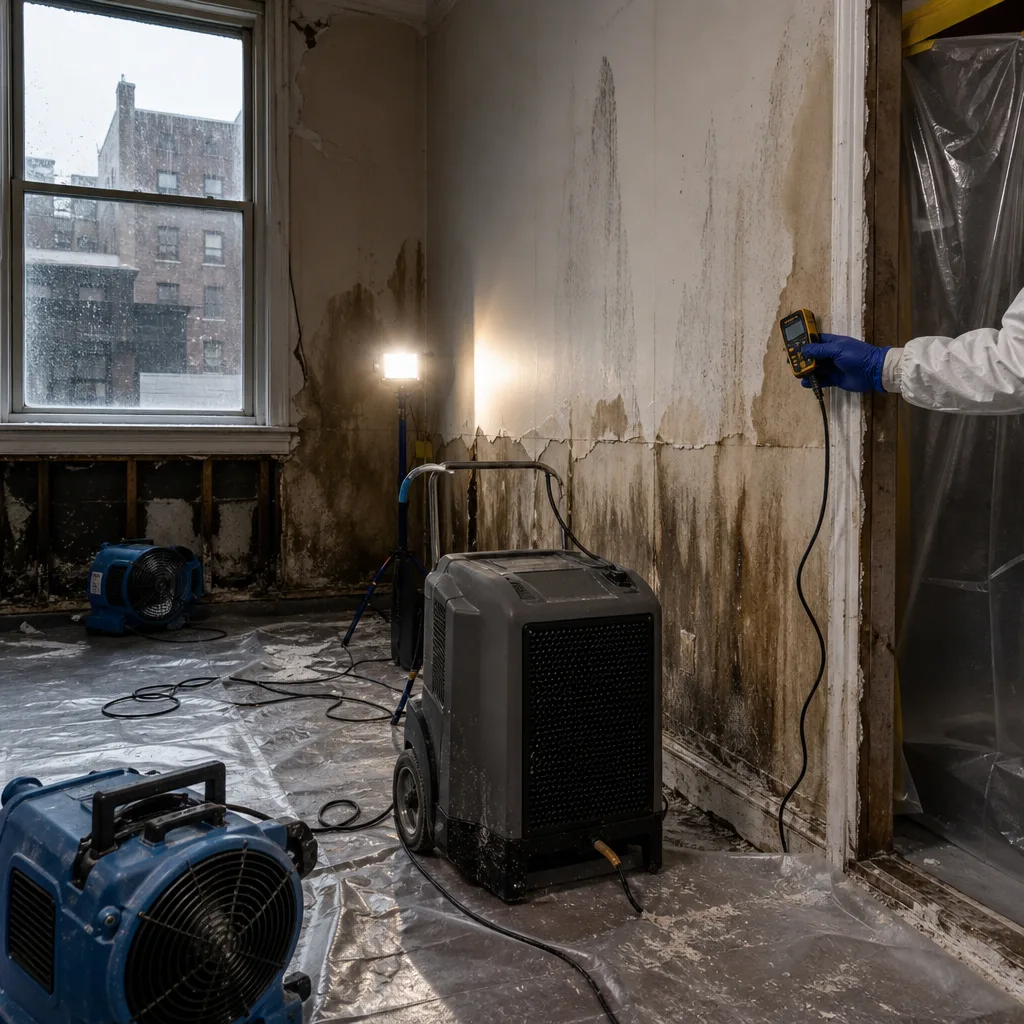 Before
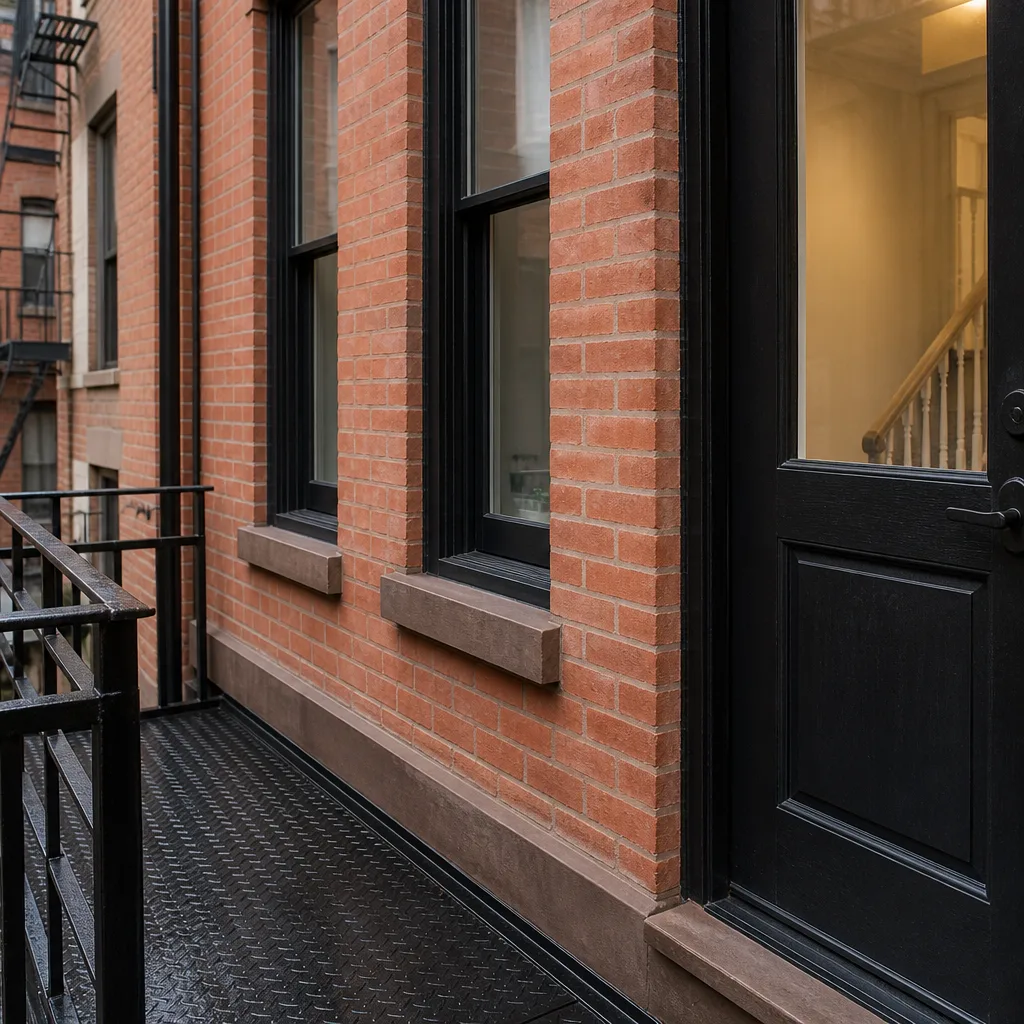 After
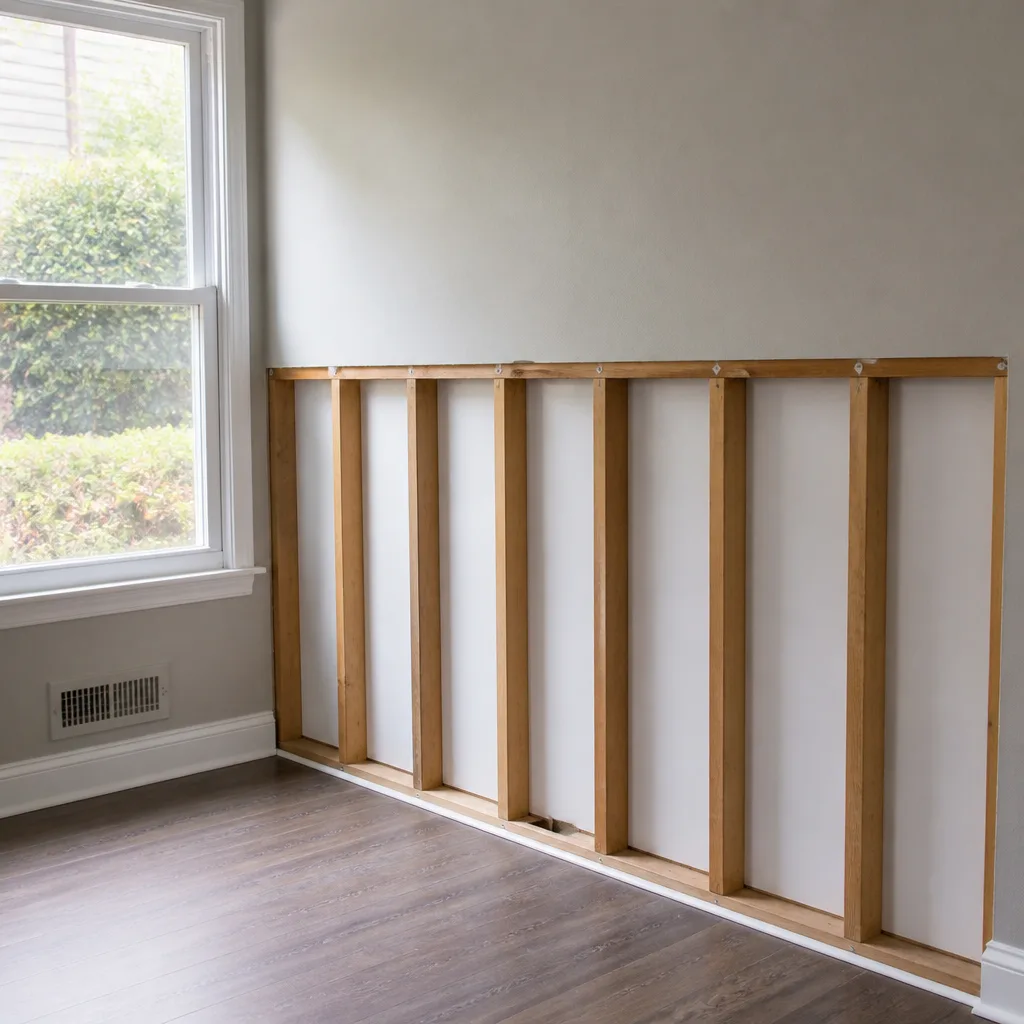
After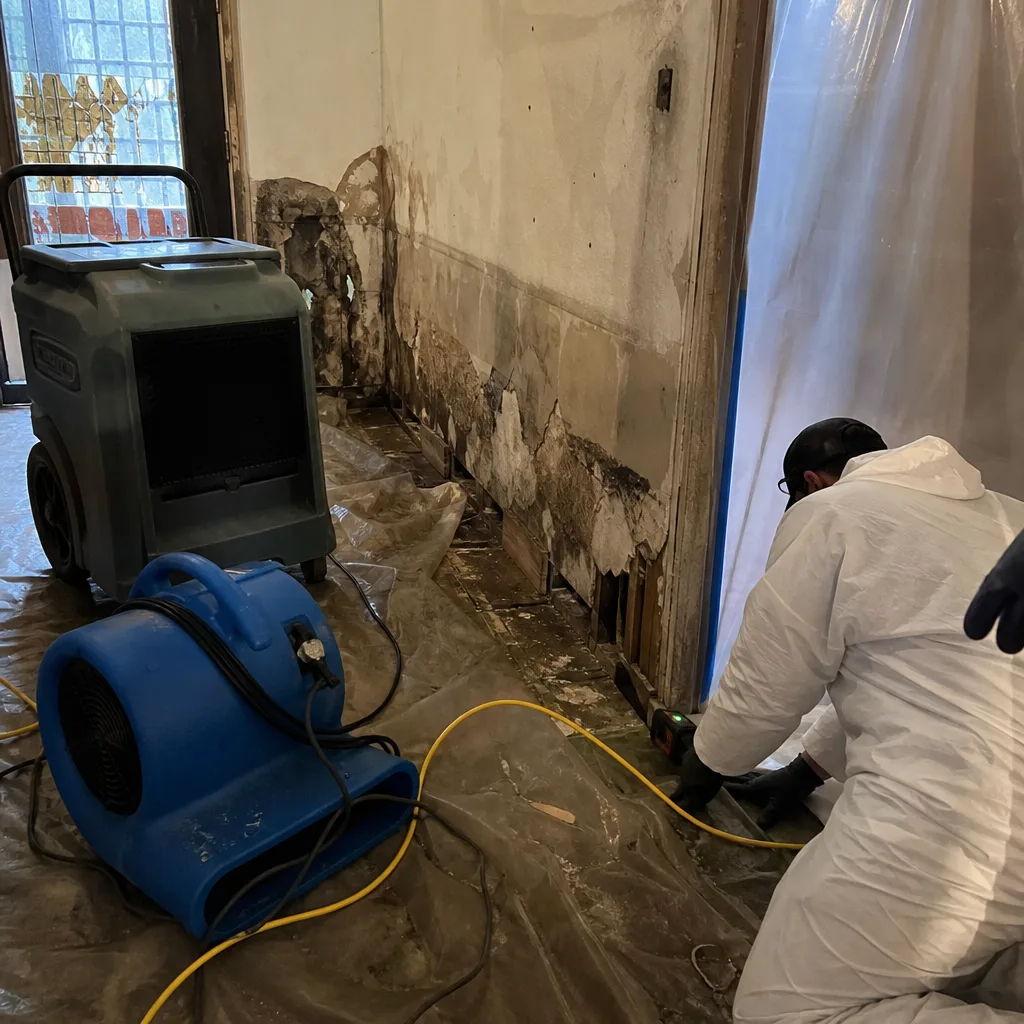 Before
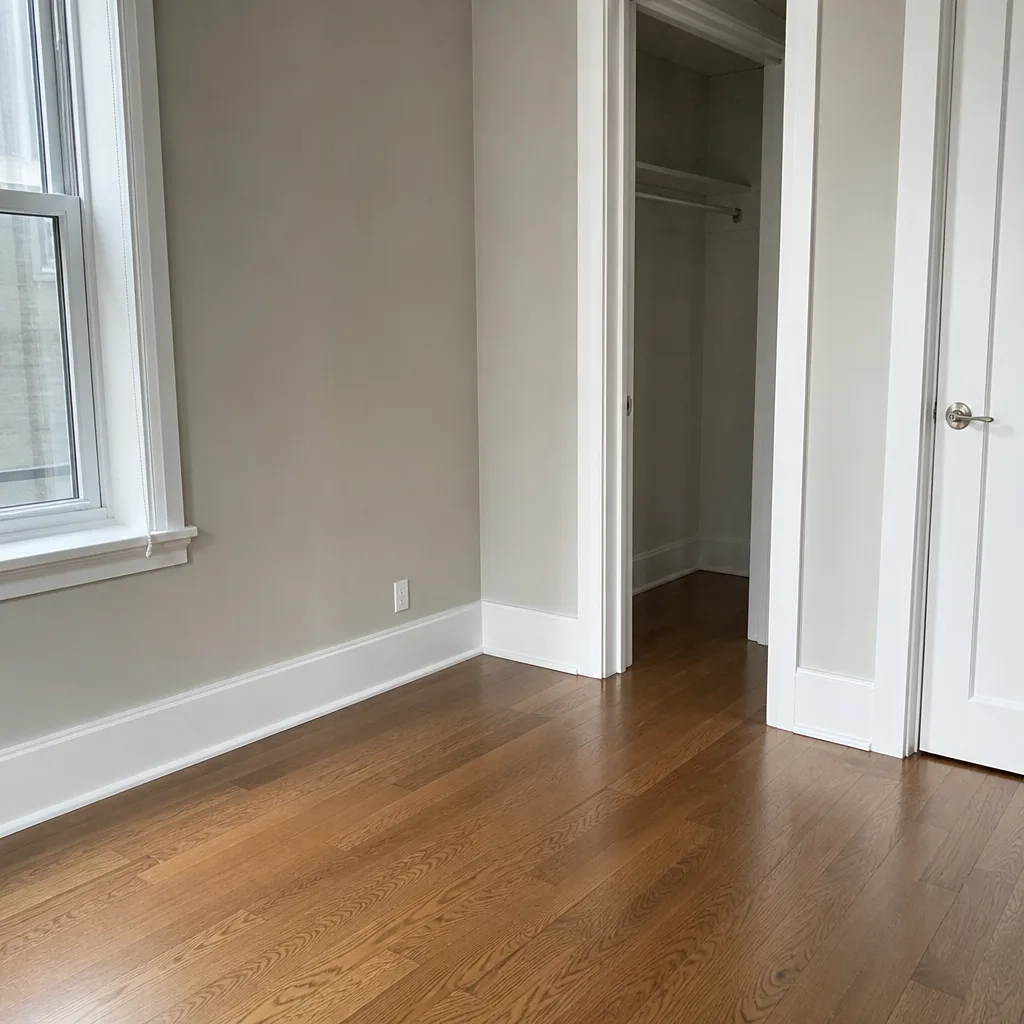 After
AfterHow Much Does Water Damage Restoration Cost in Financial District?
Water damage restoration in the Financial District, NY, typically ranges from $2,500 for a small, localized leak to $12,000 or more for major flooding involving multiple rooms and high-end finishes. Costs are highly dependent on the category of water (clean, gray, or black), the square footage affected, and the specific material types-such as hardwood flooring or historic plaster-common in lower Manhattan architecture. DryMark Restoration Financial District provides a written price before any work begins, adhering to Haven Standard, Clause 1, ensuring there are no surprise costs once our crew starts the drying process.
Water Damage Restoration Cost Breakdown (2026)
The following price ranges reflect the current market for professional remediation services in the Financial District. These figures account for the logistical challenges of downtown high-rise access and the specialized drying equipment required to meet IICRC standards.
| Service Type | Estimated Cost Range |
|---|---|
| Small Leak/Spot Drying (Under 100 sq. ft.) | $1,500 - $3,200 |
| Moderate Water Intrusion (1-2 Rooms) | $3,500 - $7,500 |
| Major Flood/Whole Unit Restoration | $8,000 - $15,000+ |
| Emergency After-Hours Response Fee | $300 - $600 (additional) |
| Sewage/Category 3 Cleanup | $4,500 - $12,000+ |
These estimates include the deployment of professional-grade drying systems from Phoenix and Dri-Eaz, the creation of daily moisture logs, and the final photo record documentation. Because we operate under the Haven Standard, you receive a written quote detailing every line item before our technicians begin the extraction. Call (551) 212-1492 to schedule an assessment.
What Affects Water Damage Restoration Pricing in Financial District
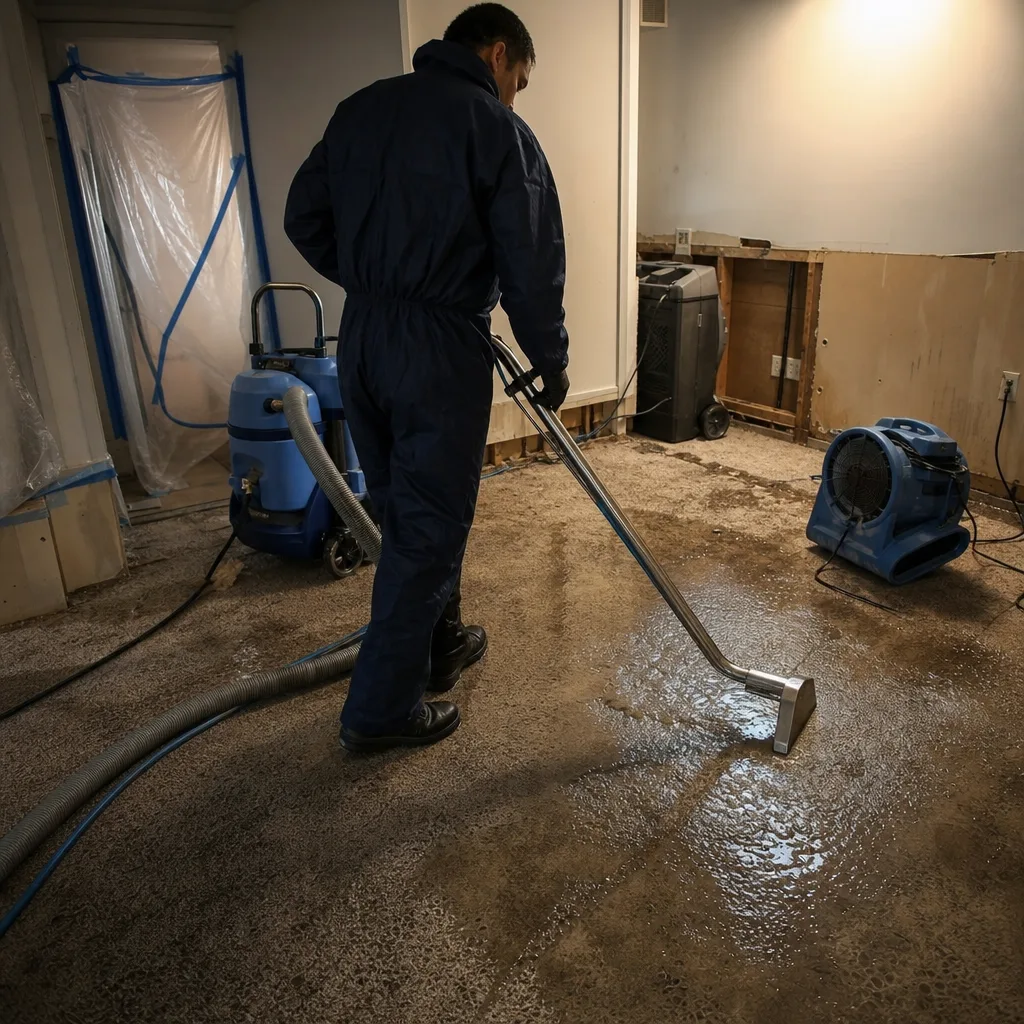
Pricing in a dense urban environment like the Financial District involves variables unique to high-rise living and historic infrastructure. Understanding these factors helps you evaluate the scope of work required for your property.
- Water Category and Contamination: Clean water (Category 1) from a burst pipe is less expensive to mitigate than gray or black water (Category 3), which requires specialized containment, sanitization, and disposal protocols to prevent health hazards.
- Access and Logistics: In the Financial District, building access, elevator restrictions, and parking limitations can increase labor hours. We factor these site-specific constraints into our initial written quote so there are no surprises.
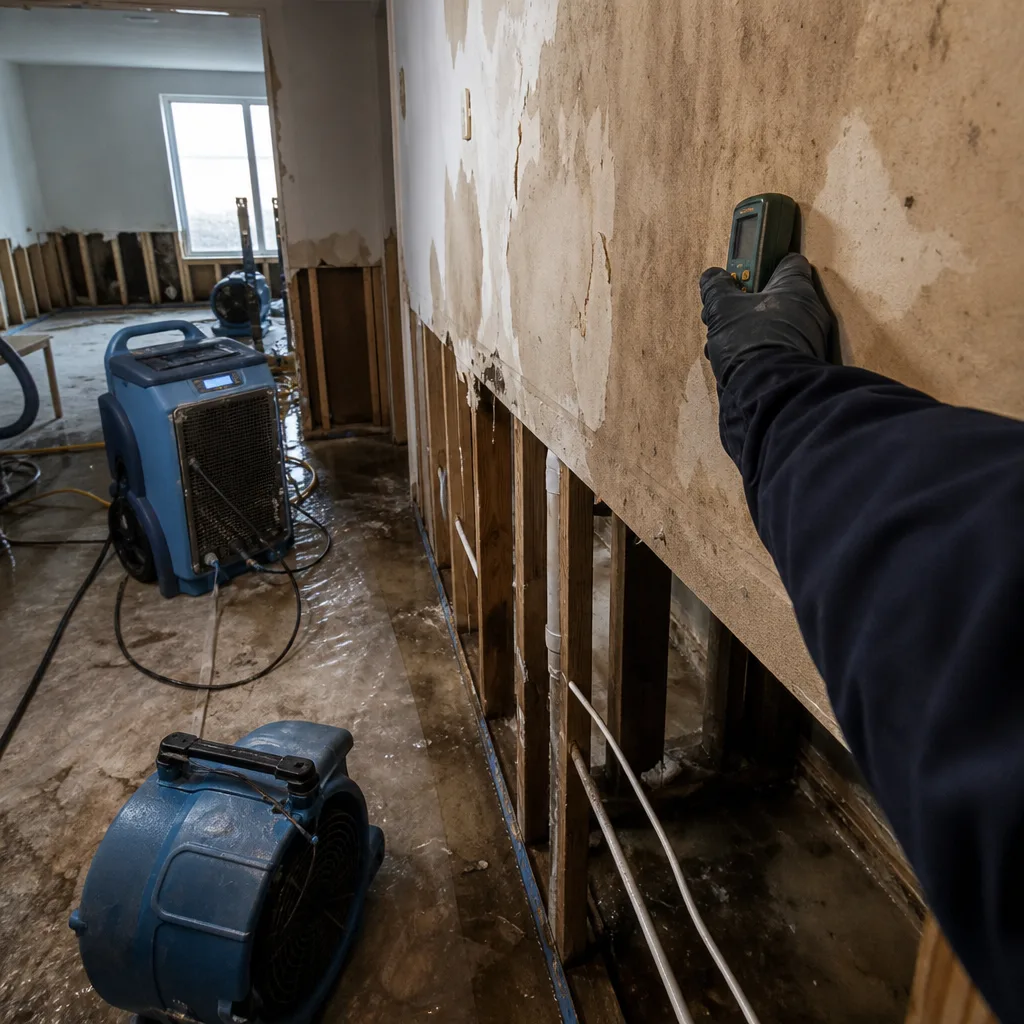
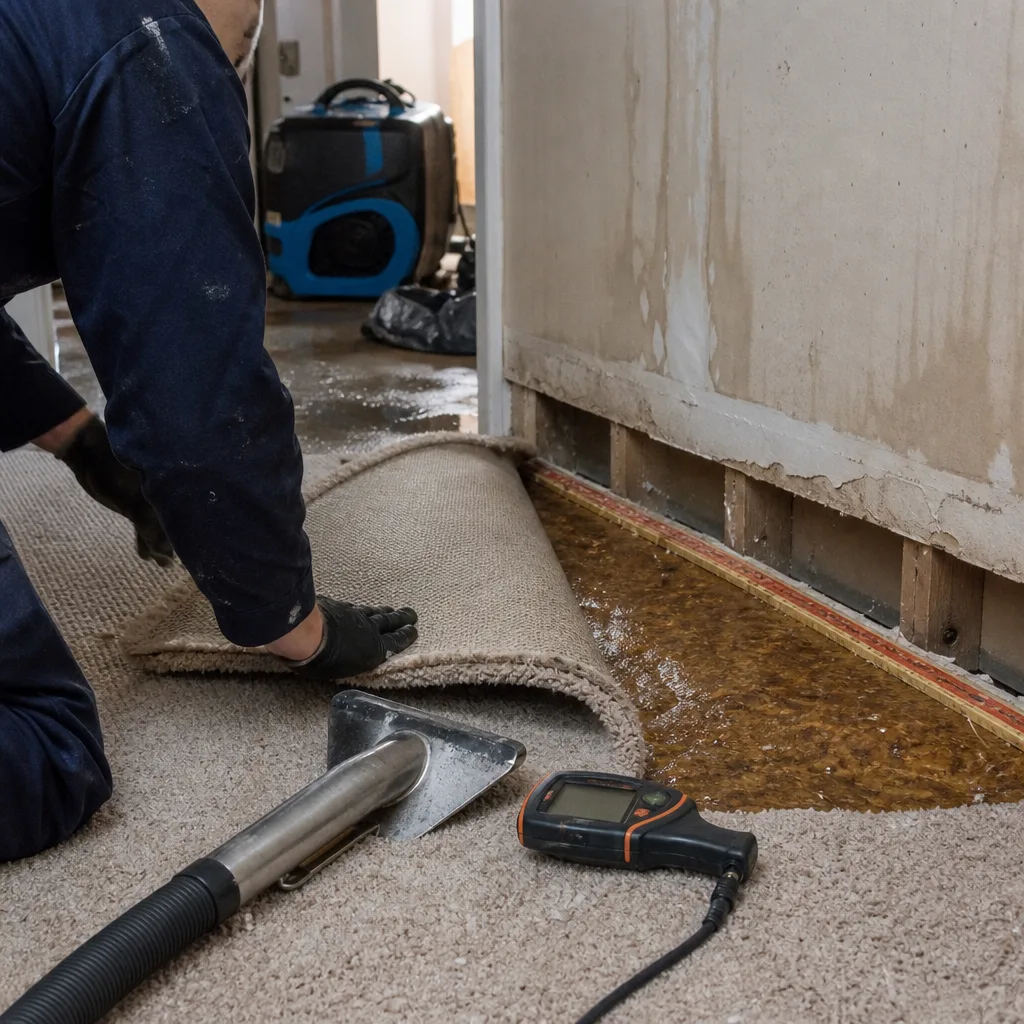
- Material Porosity: Restoring hardwood floors or custom millwork often requires different drying techniques than removing wet drywall. We use moisture meters to determine if materials can be dried in place or if they must be removed to prevent mold growth.
- Time of Intrusion: Water that has been sitting for 48 hours or more often triggers mold growth, which changes the restoration protocol from simple drying to full remediation, increasing the complexity and cost of the job.
- Equipment Intensity: The number of air movers, dehumidifiers, and HEPA scrubbers required is determined by the psychrometric data of your space. We document this data to ensure the insurance carrier receives a clear, defensible record of why specific equipment was necessary.
BeforeAfterHow to Save on Water Damage Restoration
The most effective way to manage restoration costs is to stop the water intrusion early and document the process thoroughly. Acting quickly limits the amount of material that needs to be replaced, which is the primary driver of restoration costs.
To minimize expenses, address the source of the leak immediately by shutting off the main water valve. Once the flow stops, call (551) 212-1492 for a prompt assessment. We provide a Free Second Opinion on any competitor’s written estimate, ensuring you aren’t overpaying for services you don’t need. Our team, led by Alicia Brennan, focuses on drying what can be saved rather than defaulting to demolition, which keeps your project costs lower and your property value intact.
Step-by-Step: The DryMark Restoration Process
- Emergency Contact & Assessment: Call (551) 212-1492 at any hour. A live person answers to gather details before our team arrives.
- Written Scope (Haven Standard, Clause 1): Our technicians inspect the property, take moisture readings, and provide a written price before any equipment is plugged in.
- Extraction and Drying: We deploy professional-grade equipment from brands like Injectidry and B-Air to remove standing water and moisture from structural elements.
- Daily Documentation: Every visit includes a photo record and a drying log. These documents are essential for insurance claims and verifying that moisture levels are returning to normal.
- Final Verification: Once target moisture levels are achieved, we remove equipment and present the final documentation package, backed by our 365-Day Done Right Promise.
FAQs - Water Damage Restoration Cost
How much does it cost to fix a burst pipe in a Financial District condo?
A typical burst pipe restoration in a Financial District condo ranges from $2,500 to $6,000 depending on the volume of water and how quickly the leak was stopped. We provide a firm written price before starting, so you know exactly what the cost will be. Call (551) 212-1492 for an immediate assessment.
Does insurance cover the cost of water damage restoration?
Most homeowner policies cover sudden and accidental water damage, but the claim’s success depends on the quality of the documentation provided to the adjuster. We provide daily moisture logs and comprehensive photo records to ensure your claim has the evidence it needs for approval.
Is it cheaper to repair or replace water-damaged flooring?
Repairing-or drying in place-is almost always cheaper than replacing, provided the water is clean and you act within the first 24 to 48 hours. We use precision moisture testing to see if your floors can be saved before recommending removal.
What is the difference between water mitigation and restoration?
Mitigation is the emergency phase of stopping the water and drying the structure to prevent further damage, while restoration is the subsequent repair of damaged walls, floors, and ceilings. We handle both processes and provide a single, transparent quote for the entire scope of work.
Can you come today to assess my water damage?
Yes, we have live phone coverage 24 hours a day, 7 days a week, and can dispatch a team to your location in the Financial District promptly. Call (551) 212-1492 to get our team moving toward your property.
Pricing reflects the Financial District market as of 2026. DryMark Restoration Financial District offers free estimates - call (551) 212-1492.
What Our Customers Say
"Burst supply line upstairs. They had equipment in the house within a few hours and told me honestly which flooring could be saved and which could not."
- Jarrod P."Storm took part of the roof. They tarped it the same evening and the written scope came through the next morning."
- Emmett L."They told us the subfloor was dry and did not need replacing, which cost them the bigger job. We have recommended them four times since."
- Verity M.