
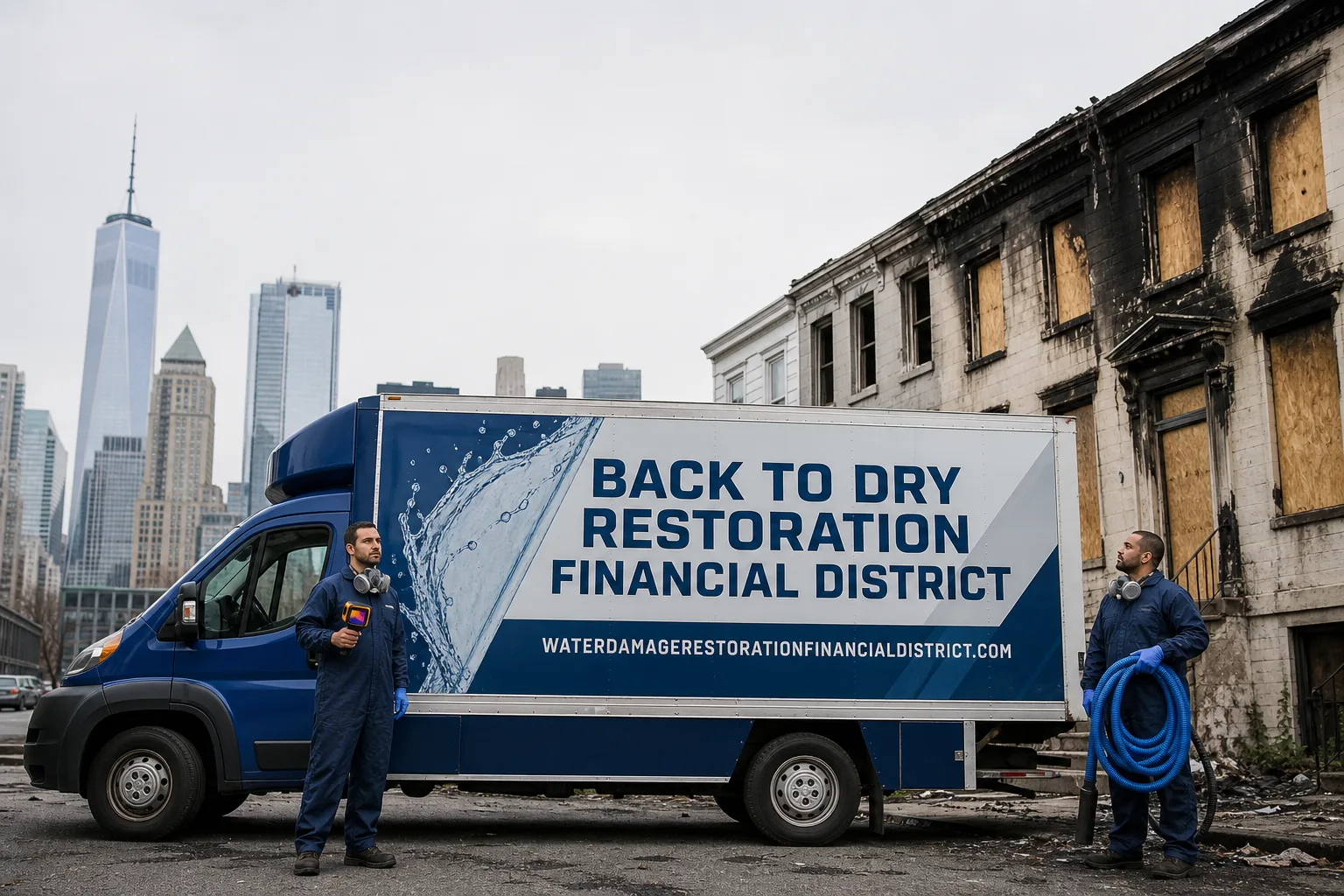
Free visual inspection and a written scope of work before any mitigation begins - photos, moisture readings, and drying logs go in your claim file
The scope we write is the scope we bill. Anything new gets shown to you, in writing, before we touch it.
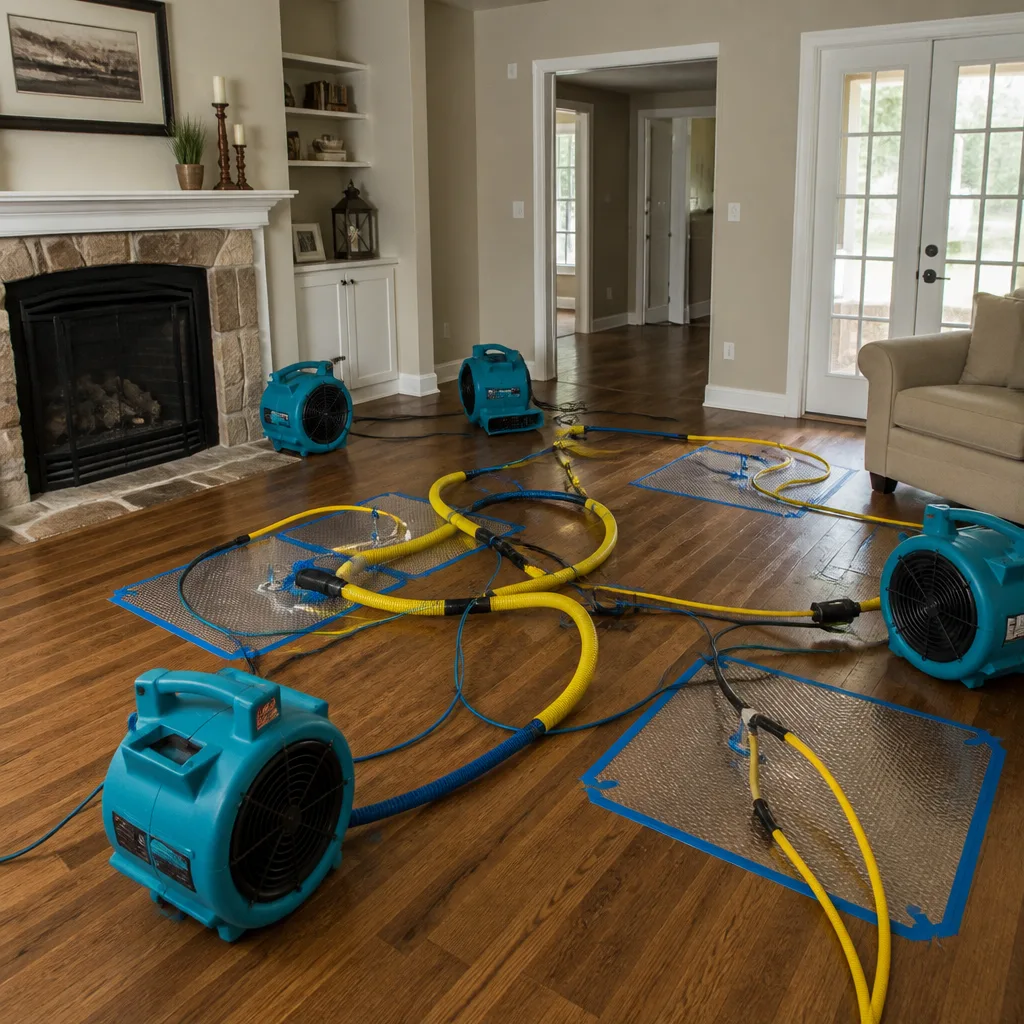

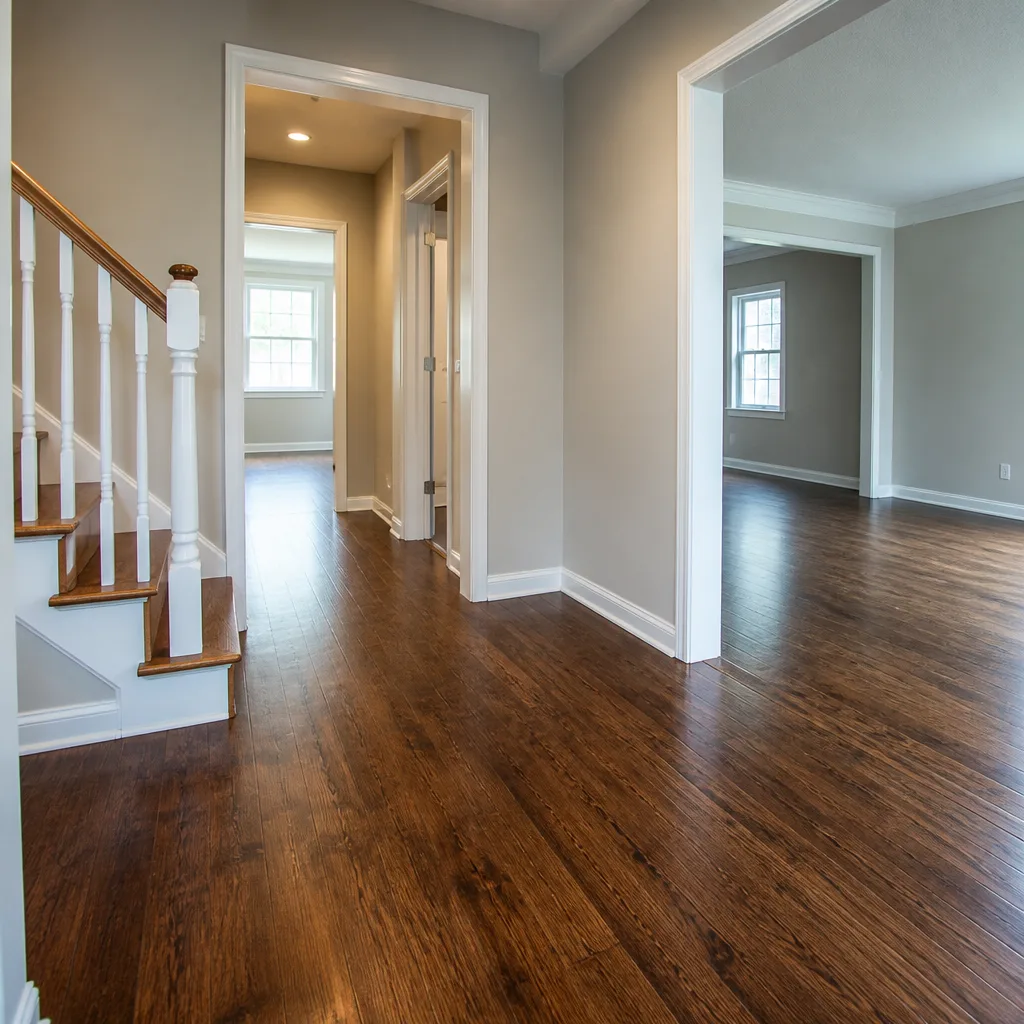
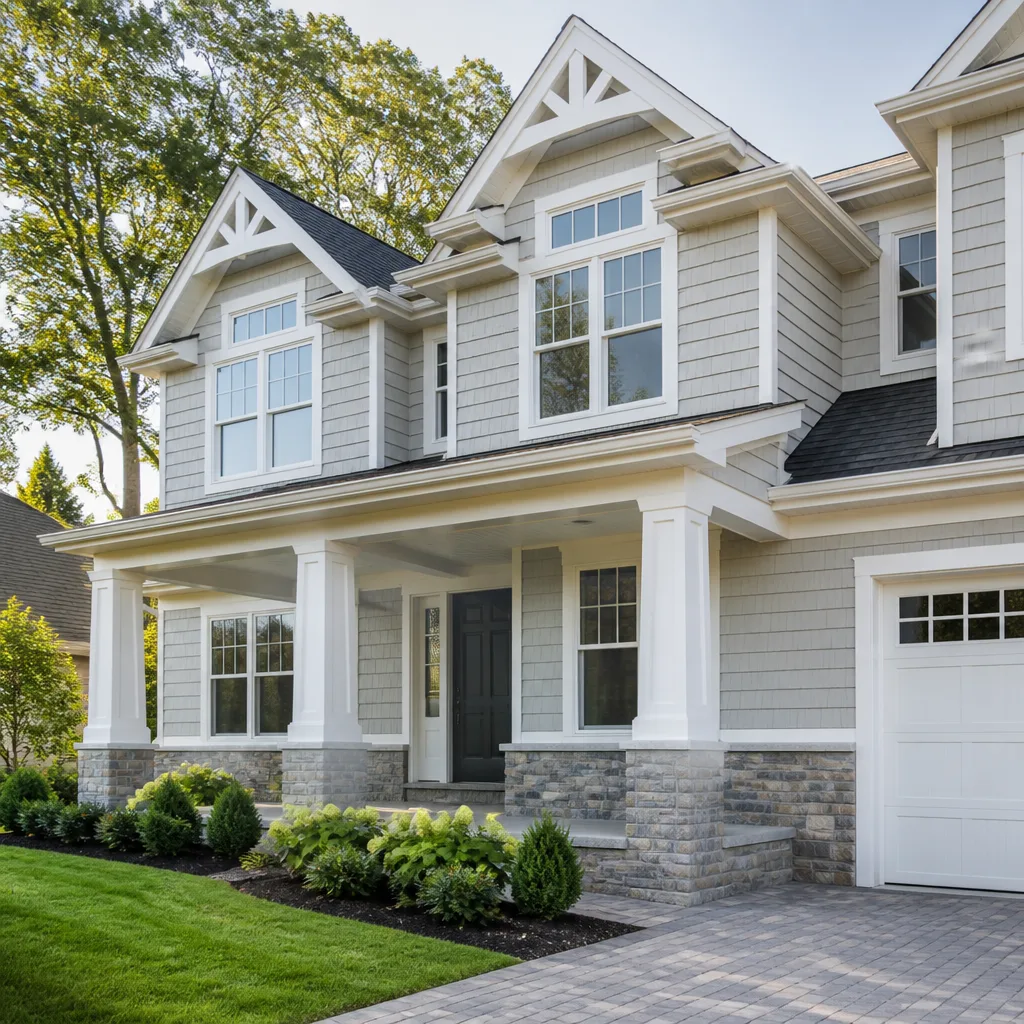
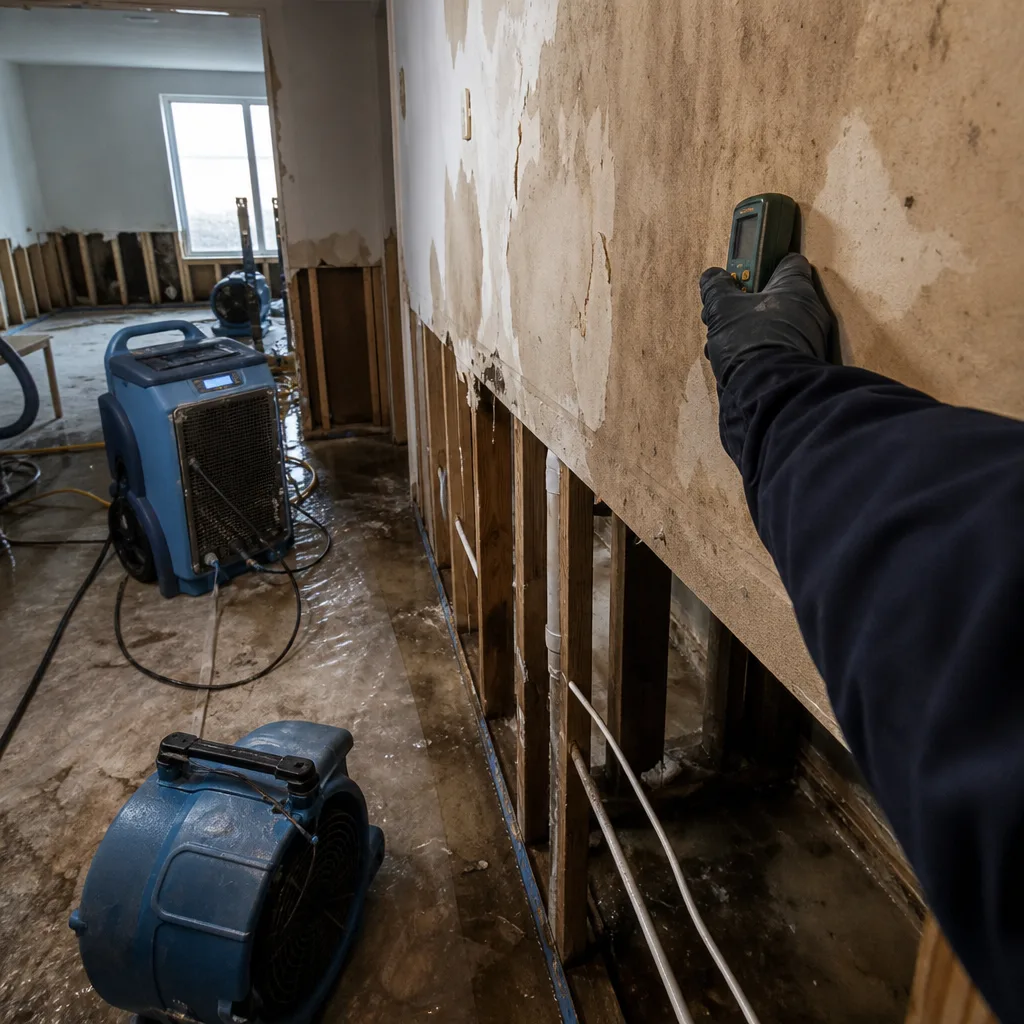 Before
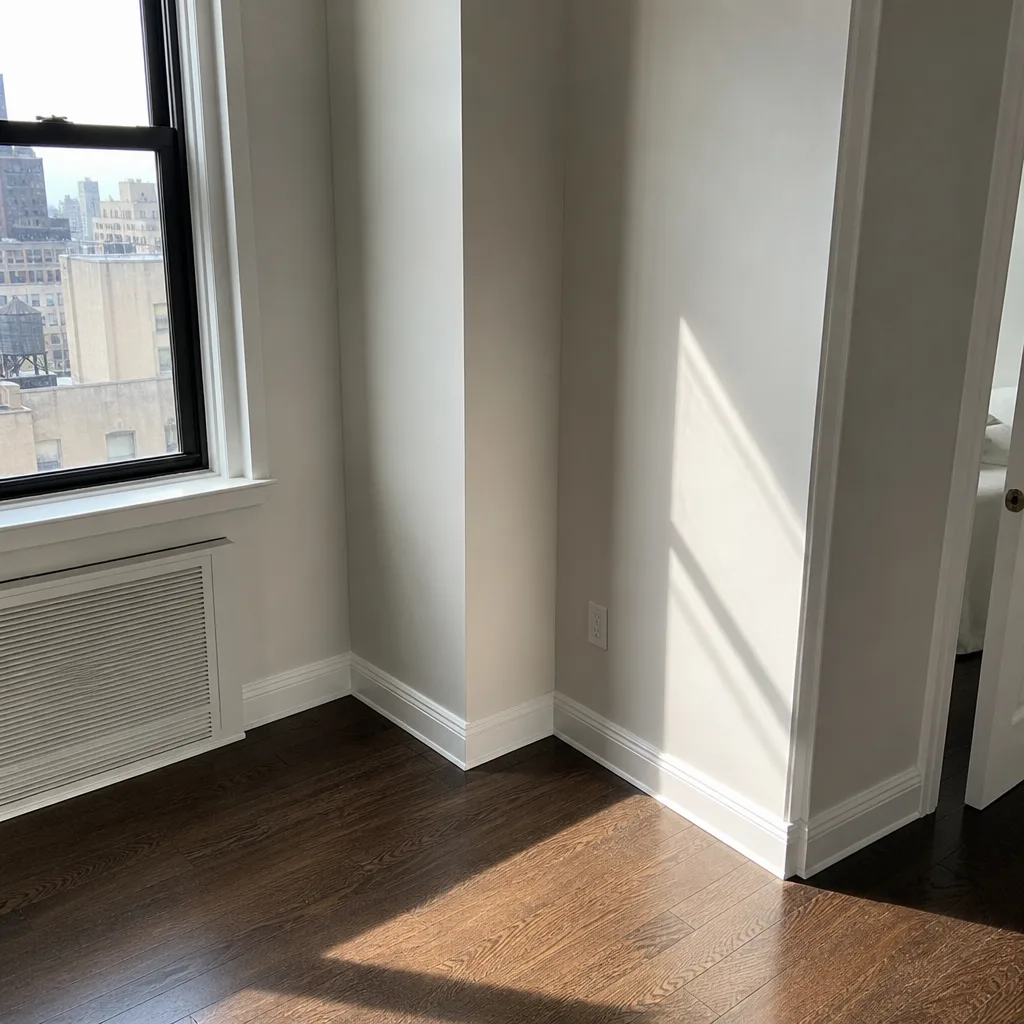 After
After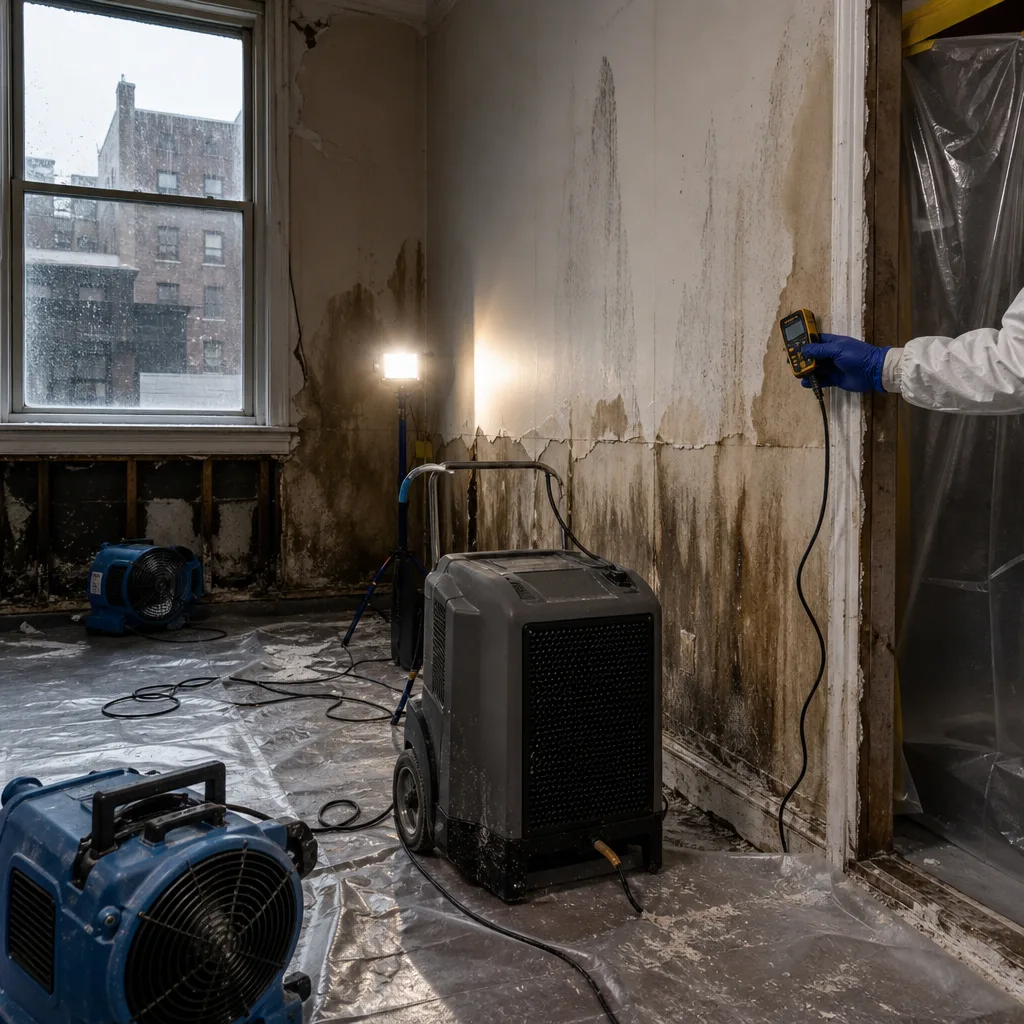 Before
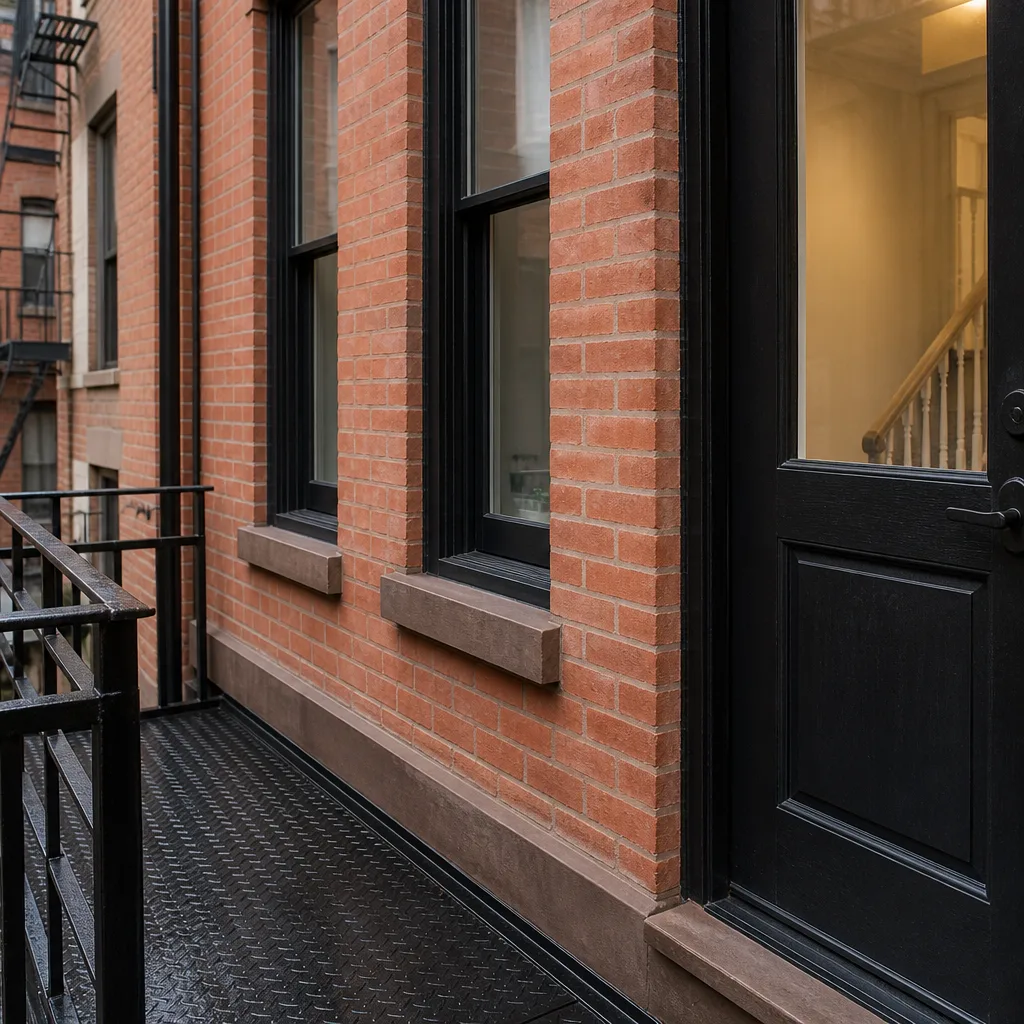 After
After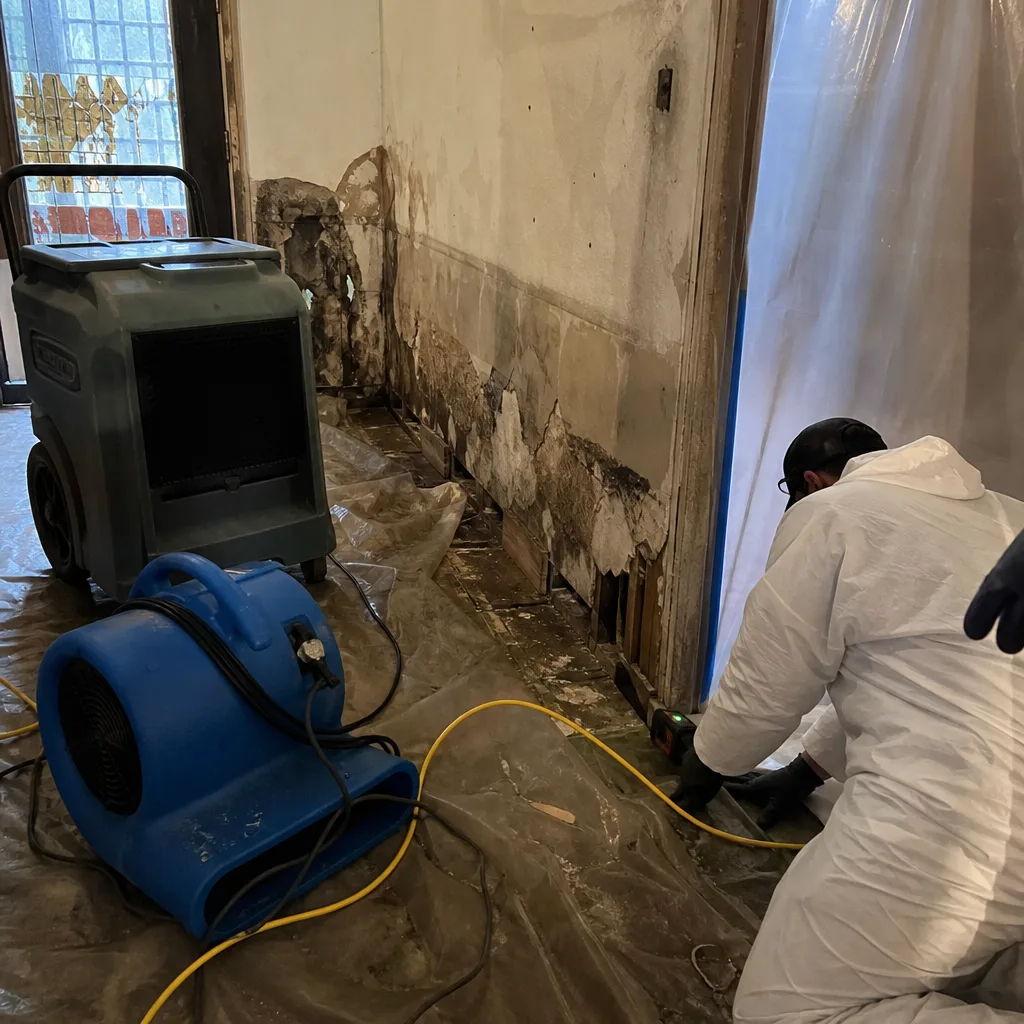 Before
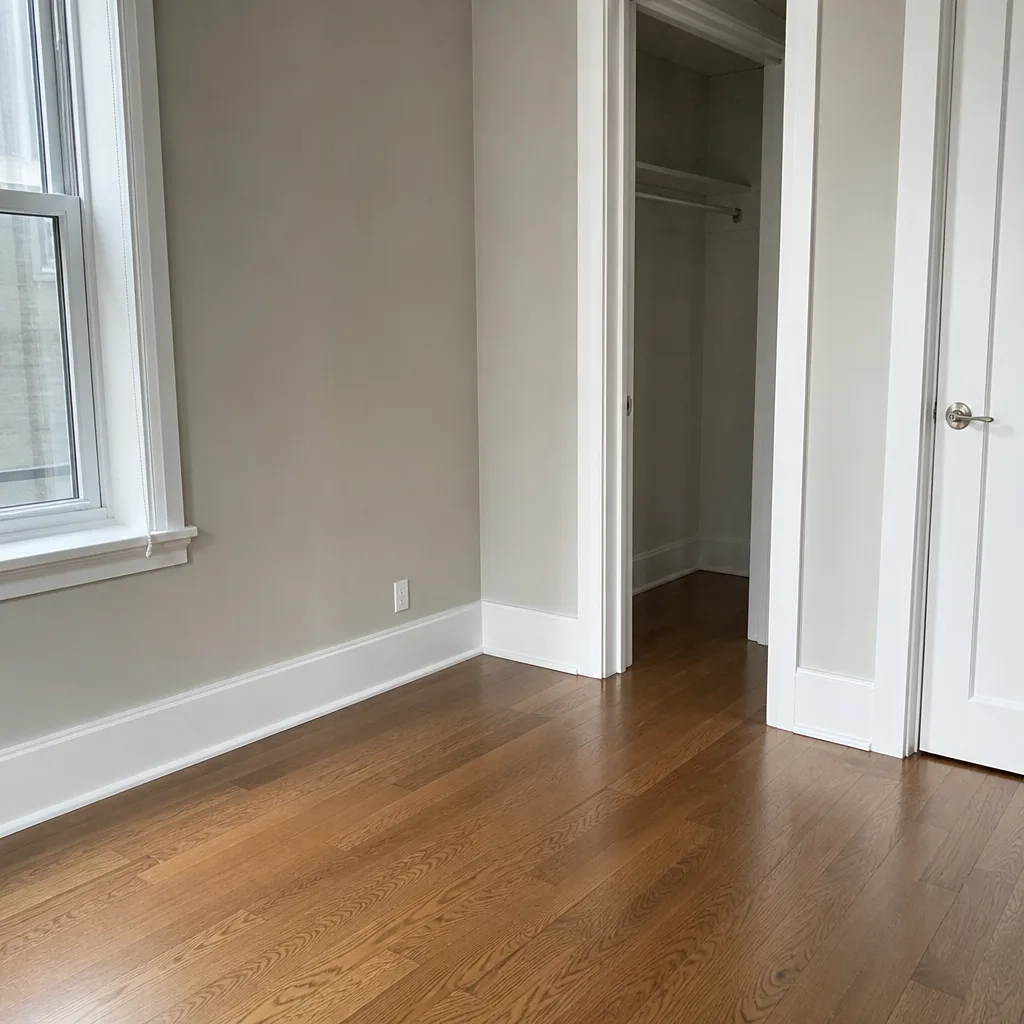 After
AfterFast, Reliable Water Damage Restoration Across Long Island City
Water damage restoration in Long Island City typically costs $2,800-$7,500 for residential losses, with emergency water extraction dispatched within 60-90 minutes of your call to (551) 212-1492. We’re DryMark Restoration, and our crews know Long Island City’s building stock intimately - from the converted masonry lofts of Hunters Point to the glass towers stacked above Court Square. Our New York City office coordinates dispatch and scheduling locally, so we don’t waste time figuring out alley-load access on Vernon Boulevard or which high-rise loading dock takes a 26-foot box truck.
Long Island City’s water losses split into two completely different jobs. Below, in the FEMA Flood Zone AE waterfront along Newtown Creek and the East River, storm surge and combined-sewer backups deliver Category 3 black water that demands antimicrobial treatment and full removal, not drying in place. Above, in the 40-60-story luxury towers along Jackson Avenue, a single burst pipe or refrigerator water-line failure can cascade through 15-30 stacked condo units, each owned by a separate party with a separate insurer. We’ve handled both since 2011, and we document every moisture reading, every photo, every drying log to IICRC, RIA, and IFA standards - the paperwork that turns restoration invoices into payable claims.
Why DryMark Restoration Financial District Is Long Island City’s Preferred Water Damage Restoration Company
We’ve restored 12,000+ homes since 2011, every one with a written price before work started and a documented record when the crew left. Alicia Brennan founded DryMark after working as a claims adjuster and watching homeowners lose thousands to restoration invoices that lacked the moisture logs, photo records, and written scopes insurers require. That documentation gap is the problem we built this company to solve.
Our Long Island City customers find us because they’ve read the three-star reviews on other companies - the ones where adjusters denied claims over missing documentation, where scopes ballooned after crews were already inside, where “emergency” turned into a voicemail tree at 2 a.m. We don’t do that. A live person answers every call, 24 hours a day, 7 days a week, with no voicemail on emergency lines. Our technicians are background-checked, uniformed, and named on your work order before they arrive. And Haven Standard, Clause 1 applies on every job: a written price delivered before anyone starts work, with no scope-creep additions once the crew is inside your home.
Response time to Long Island City addresses averages 60-90 minutes from call to on-site assessment. We know the local constraints: Court Square parking regulations, Hunters Point alley-load clearances, Queensbridge Houses NYCHA access protocols. That local knowledge saves hours on the clock and prevents the secondary mold growth that starts 24-48 hours after water intrusion.
Our Water Damage Restoration Services in Long Island City
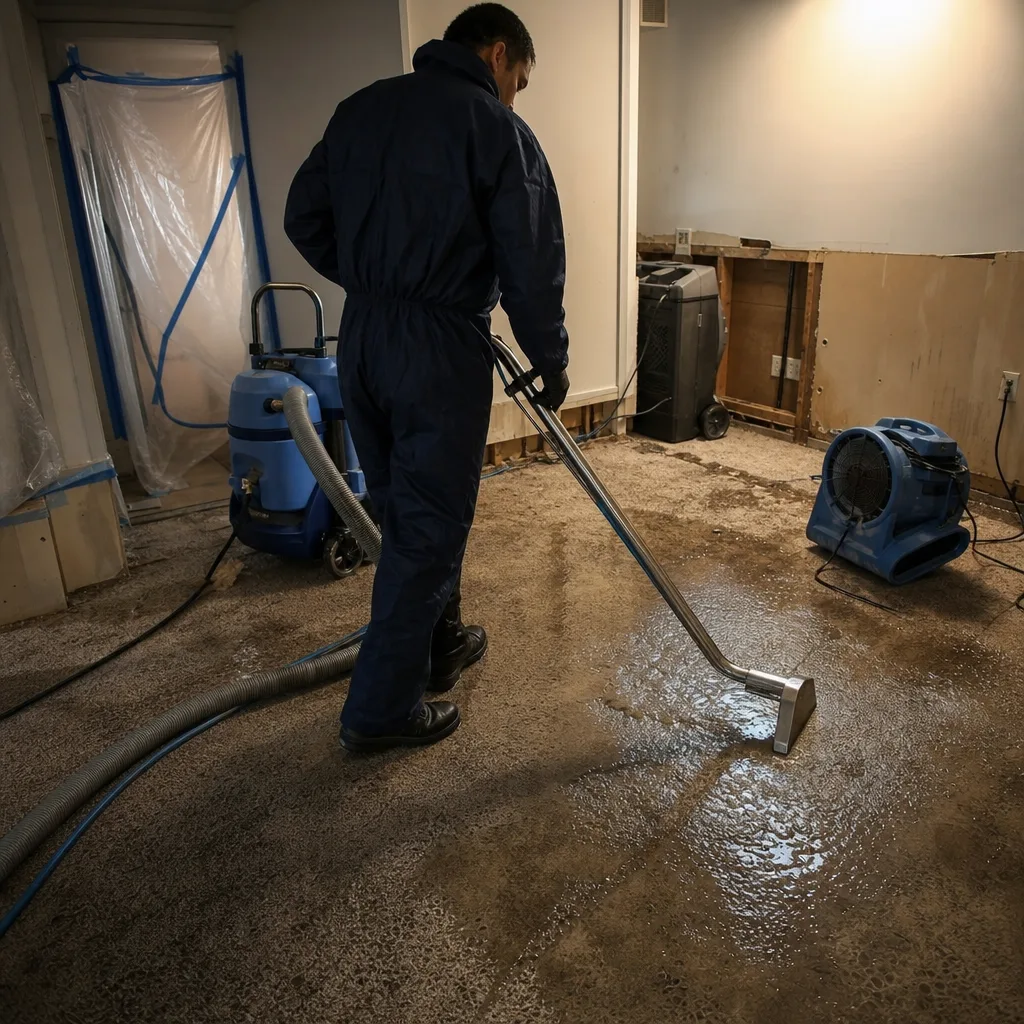
Emergency Water Extraction
When water is still moving, speed limits the damage. Our crews arrive with truck-mounted extraction systems, portable units for high-rise service elevators, and submersible pumps for basement flooding in Flood Zone AE properties. At a converted Hunters Point warehouse loft off Vernon Boulevard, an original-timber-framed unit took a pre-war supply riser break that soaked the moisture-retentive brick party wall and pooled under the factory concrete - our crew ran water extraction, moisture mapping with thermal cameras, and a full pack-out before setting Dri-Eaz and Phoenix air movers with Injectidry floor mats for structural drying. Above in the Court Square high-rises, we’ve handled a 28th-floor refrigerator water-line failure that reached 15 units below; we documented moisture readings, drying logs, and a scoped, unit-by-unit pre-loss condition report so each owner’s adjuster had its own line items before we closed the containment. Emergency water extraction in Long Island City runs $1,200-$2,800 depending on affected square footage and water classification.
Structural Drying & Dehumidification
Long Island City’s building diversity demands equipment flexibility. The moisture-retentive brick in converted Hunters Point lofts holds water differently than the steel-and-glass curtain walls of Court Square towers. We deploy psychrometric monitoring - measuring temperature, relative humidity, and vapor pressure differential to determine exactly when materials reach dry standard, not just when they feel dry. Our crews use Dri-Eaz and Phoenix dehumidification systems, with Injectidry floor mats for hardwood and tile drying in spaces where traditional air movers can’t reach. Daily drying logs document grain-per-pound readings and equipment placement, producing the paper trail your adjuster needs. Structural drying in Long Island City typically ranges $2,200-$5,500 for residential losses.
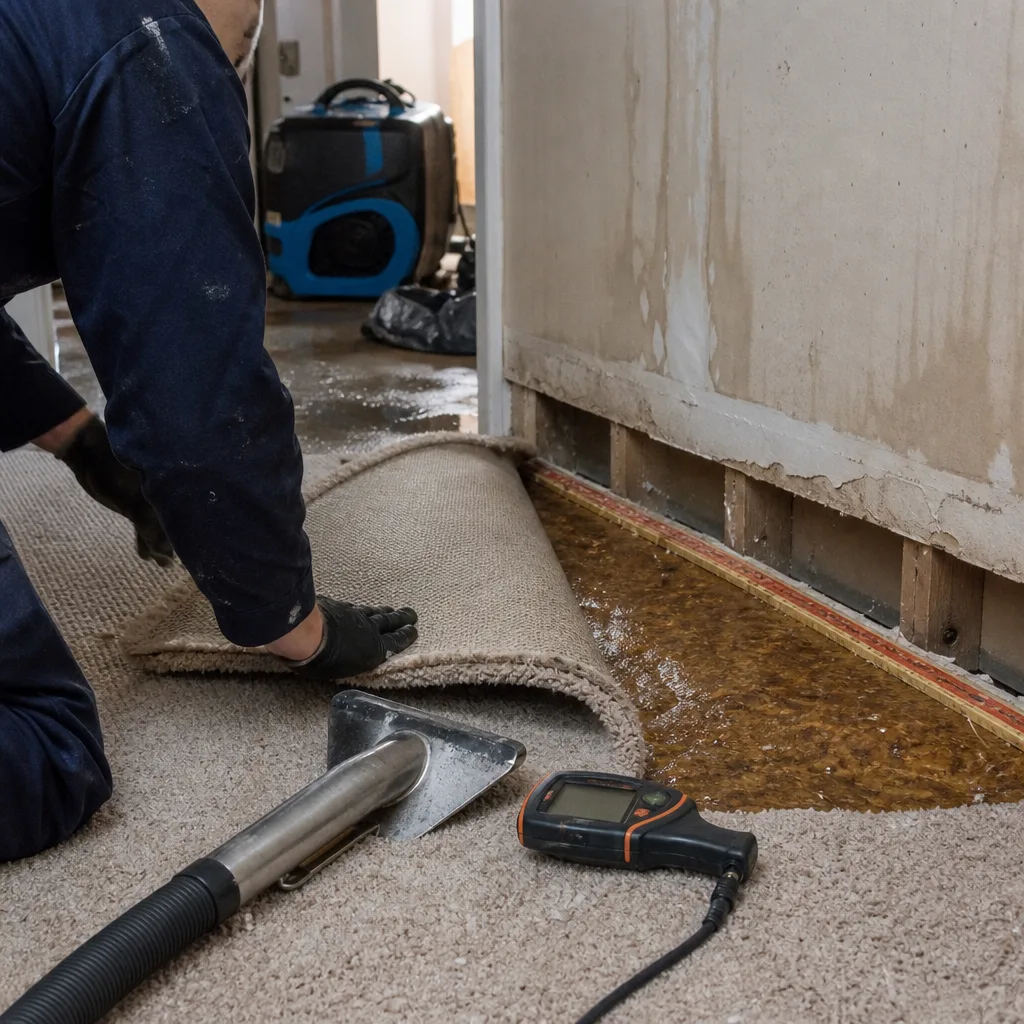
Flood Cleanup
Flood cleanup in Long Island City is its own specialty. Significant sections of the waterfront sit in FEMA Flood Zone AE, and near-sea-level elevation along Newtown Creek means major nor’easters push storm surge directly into basements, ground-floor commercial spaces, and parking garages. This water arrives as Category 3 - black water carrying contaminants from combined-sewer overflow, industrial runoff, and tidal debris. The same water extraction and structural drying that fixes a clean supply-line break will leave Category 3 contamination unless antimicrobial treatment and full removal happen first. We’re versed in NYC Build It Back protocols and NYC DEP combined-sewer backup dynamics specific to western Queens. Flood cleanup in Long Island City runs $4,500-$12,000 depending on contamination level, affected area, and required material removal.
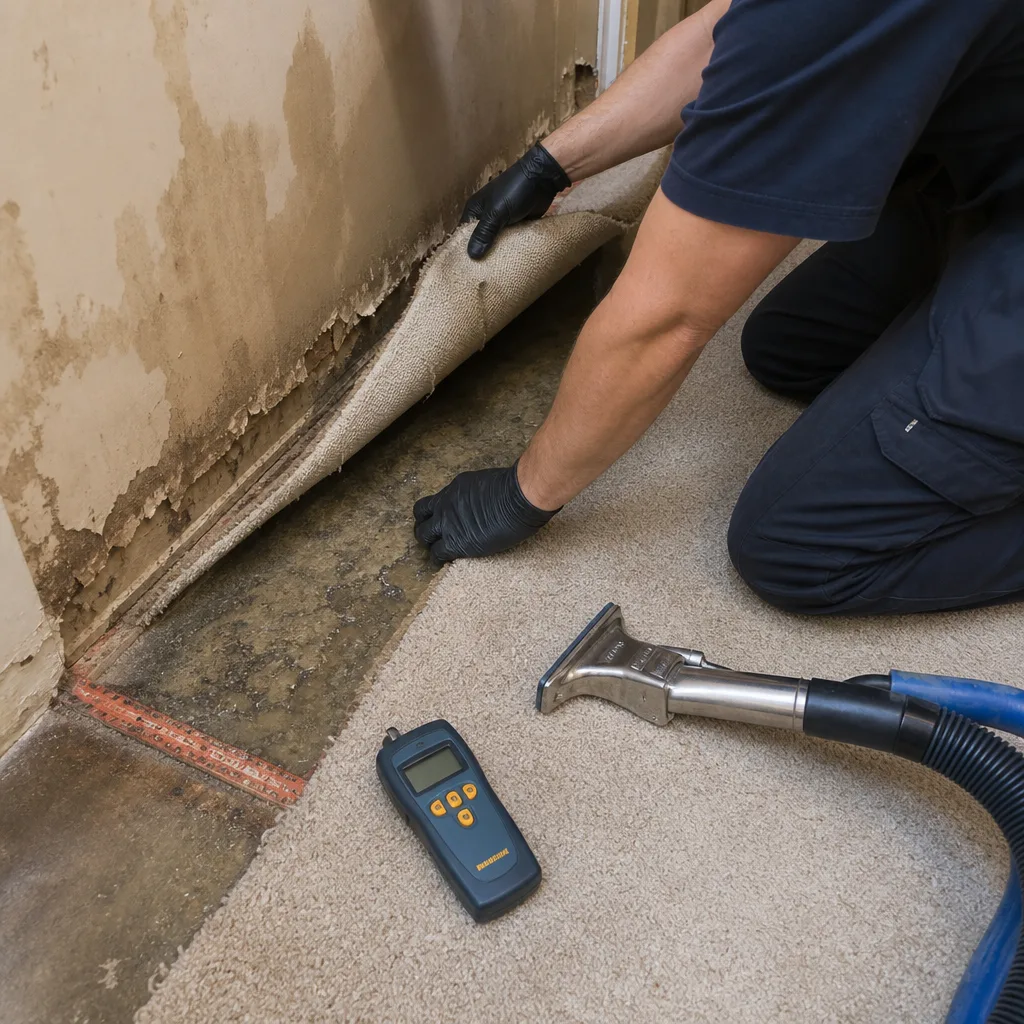
Burst Pipe Restoration
Burst pipe restoration in Long Island City spans two extremes. In pre-war walk-ups and Queensbridge Houses NYCHA towers, aging galvanized and copper supply risers fail at joints stressed by decades of thermal expansion. In Court Square’s luxury high-rises, the culprit is often a 1/4-inch refrigerator water line or washing-machine supply hose on the 28th floor - a failure that can affect 15 units below before the building’s main shutoff is located. Each affected unit is owned by a separate party with a separate insurer, so restoration coordinators here routinely manage 10-20 simultaneous insurance adjusters on what is physically a single water-loss event. We scope each unit individually, document pre-loss condition with photo records, and deliver written prices per unit before work begins. Burst pipe restoration in Long Island City typically costs $2,800-$7,500 for the originating unit, with additional scoped work per affected unit below.
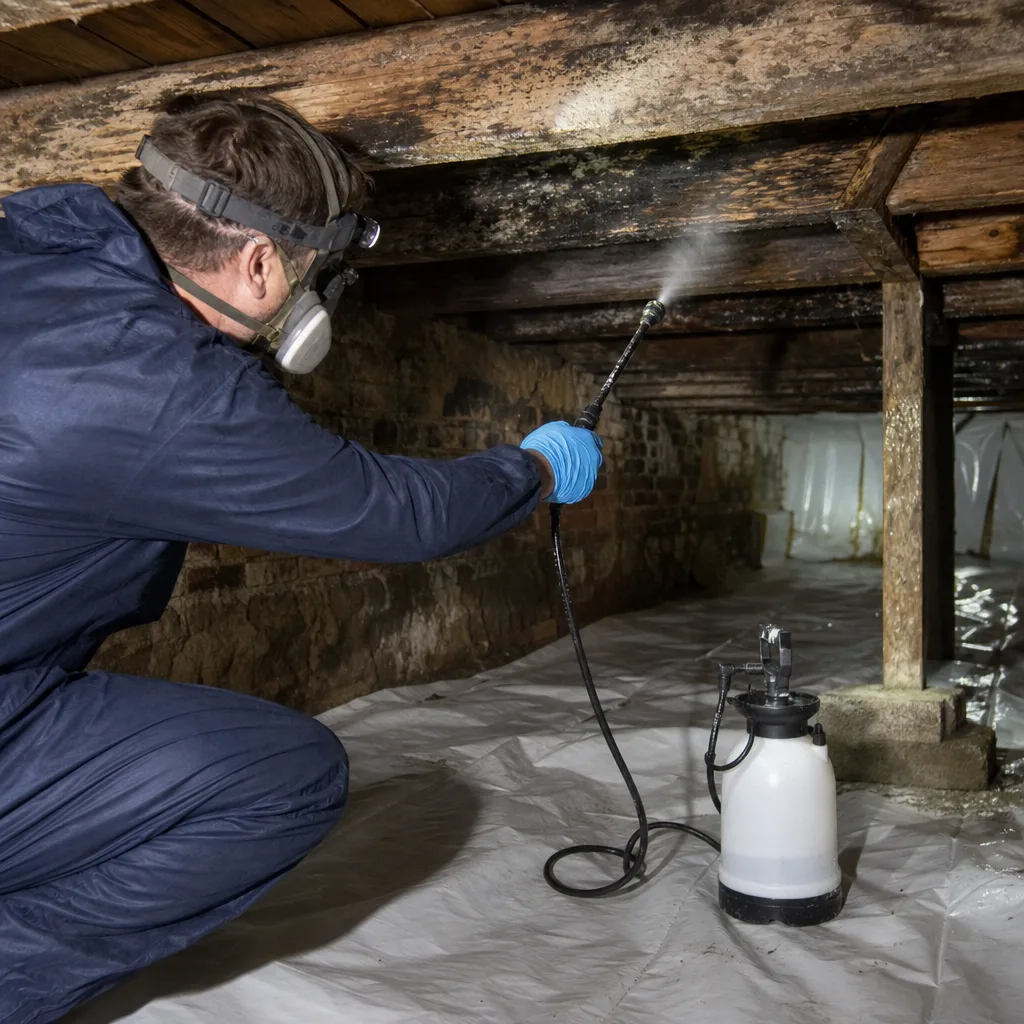
What happens when you call
- 1
A real person answersNo phone trees - you reach a local pro.
- 2
You get an upfront price rangeHonest numbers before anyone is dispatched.
- 3
A background-checked tech heads outLicensed & insured, dispatched right away.
- 4
You approve before work beginsNothing starts until you say go.
BeforeAfterTrusted Brands We Service in Long Island City
Our equipment fleet includes professional-grade drying systems from Dri-Eaz, Phoenix, and XPOWER - brands whose specifications are recognized by major insurers and whose performance data integrates directly into our daily drying logs. We stock Injectidry floor mat systems and specialized high-rise portable extraction units locally, so Long Island City customers aren’t waiting for equipment to arrive from another borough while moisture continues migrating into subfloors and wall cavities. Every piece is documented to IICRC, RIA, and IFA standards, and every technician is trained on the specific protocols for each manufacturer’s equipment.
Common Water Damage Restoration Problems We See in Long Island City Homes
- Category 3 misclassification in Flood Zone AE basements: Treating a Newtown Creek or East River storm-surge backup as if it were a clean supply-line leak. The same water extraction and structural drying that fixes a Category 1 break will leave Category 3 contamination in a Flood Zone AE basement unless antimicrobial treatment and full removal happen first. We test and classify before we extract.
- Stacked high-rise blind spots: Stopping at the one condo unit that called, when a Court Square water-line failure has already migrated through slab penetrations into 10-15 units below, each owned and insured separately. A single loss becomes 10-20 adjusters and missed scope of work if the restoration coordinator doesn’t map the full vertical migration immediately.
- Loading-dock and alley access failures: Long Island City’s converted factory lofts and Hunters Point townhomes have no standard driveway. Crews assume they can roll a dehumidification trailer and air movers straight to the door and instead lose hours to tight clearances, alley-load constraints, and Court Square parking rules. We survey access before dispatch and send appropriately sized equipment.
- Deferred maintenance complications in pre-war stock: Queensbridge Houses NYCHA towers and pre-war walk-ups throughout Long Island City have chronic plumbing maintenance backlogs. A burst supply riser in these buildings often reveals prior leaks, hidden mold, and compromised structural elements that a simple extraction won’t address. Our moisture mapping finds what deferred maintenance has concealed.
Pricing for Water Damage Restoration in Long Island City, NY
Water damage restoration pricing in Long Island City reflects the neighborhood’s unique building stock and access constraints. Emergency water extraction typically runs $1,200-$2,800. Structural drying and dehumidification: $2,200-$5,500. Flood cleanup for Category 3 losses: $4,500-$12,000. Burst pipe restoration for the originating unit: $2,800-$7,500, with per-unit additions for stacked high-rise losses. Basement water removal in tight-access Hunters Point properties may carry modest equipment-handling premiums. Ceiling and roof leak water damage: $1,800-$4,200 depending on insulation type and whether the leak path has compromised electrical.
What moves the number: water classification (Category 1 clean water vs. Category 3 black water), affected square footage, material types (plaster and lath vs. drywall vs. glass-curtain-wall systems), and whether pack-out of contents is required. Haven Standard, Clause 1 applies on every job: a written price delivered before anyone starts work, with no exceptions. We also offer a Free Second Opinion on any competitor’s written estimate - bring their quote and we’ll review it at no charge. Call (551) 212-1492 for a written estimate; estimates are free.
We Also Serve Cities Near Long Island City
Our crews respond regularly to Water Damage Restoration in Long Island City and the surrounding area, including Astoria to the northeast, Manhattan across the Queensboro Bridge, and the broader New York metro. Dispatch and scheduling are coordinated from our New York City office. If you’re searching for Water Damage Restoration coverage in any of these areas, the same documentation standards, written pricing, and 365-Day Done Right Promise apply.
Serving Long Island City, NY - Our Local Coverage Area
We’re based in the Long Island City area and know this community well. Use the map below to see our service coverage - if you’re nearby, we can almost certainly help.
FAQs - Water Damage Restoration in Long Island City
The originating unit’s insurer typically covers the loss that started the chain, but each affected unit below files its own claim with its own carrier. We scope and document each unit separately, delivering individual written prices, photo records, and drying logs per unit so every adjuster has independent documentation. On a recent 28th-floor refrigerator line failure, we managed 15 separate unit scopes from one physical event. Call (551) 212-1492 and we’ll explain how we coordinate multi-party losses - estimates are free.
Yes. Moisture-retentive brick party walls and original timber framing hold water longer than modern stud-and-drywall construction, and factory concrete slabs can hide pooling beneath the surface. We use thermal imaging to map moisture migration through masonry, deploy Injectidry floor mats for slab drying, and extend drying timelines with daily moisture logs until timber moisture content returns to baseline. The documentation matters more here because insurers often challenge extended drying on “old building” claims - our logs answer before they ask. Call (551) 212-1492 for a written scope.
No. Storm-surge and combined-sewer backup water is Category 3 black water, carrying contaminants that require antimicrobial treatment, full removal of affected porous materials, and specialized disposal. Drying in place is not an option. A burst supply line is Category 1 clean water, where extraction and structural drying can often restore materials in place. We test and classify on arrival, and our documentation specifies the classification so your adjuster understands why removal was necessary. Flood Zone AE losses in Long Island City run $4,500-$12,000 depending on contamination level and affected area. Call (551) 212-1492 for assessment.
For Category 1 clean-water losses, mold colonization begins in 24-48 hours, so same-day response limits secondary damage. For Category 3 flood losses, contamination spread is immediate and every hour increases affected square footage. We dispatch to Long Island City addresses within 60-90 minutes of your call, 24 hours a day, 7 days a week, with no voicemail on emergency lines. Our local knowledge of Court Square parking, Hunters Point alley access, and Queensbridge Houses protocols means we don’t lose time after arrival. Call (551) 212-1492 now if water is active - we’ll give you a written ETA.
Yes. We’ve worked in NYCHA properties and pre-war buildings throughout Long Island City, and we know the access protocols and maintenance-history complications these jobs present. Deferred maintenance often means prior leaks have compromised structural elements or created hidden mold - our moisture mapping with thermal cameras finds what hasn’t been reported. We document pre-existing conditions with photo records so scope is limited to the current loss, and we deliver written prices before work begins per Haven Standard, Clause 1. Call (551) 212-1492 - estimates are free, and we coordinate directly with NYCHA management when required.
Written by Alicia Brennan, Owner at DryMark Restoration, serving Long Island City since 2011 under The Haven Standard.