
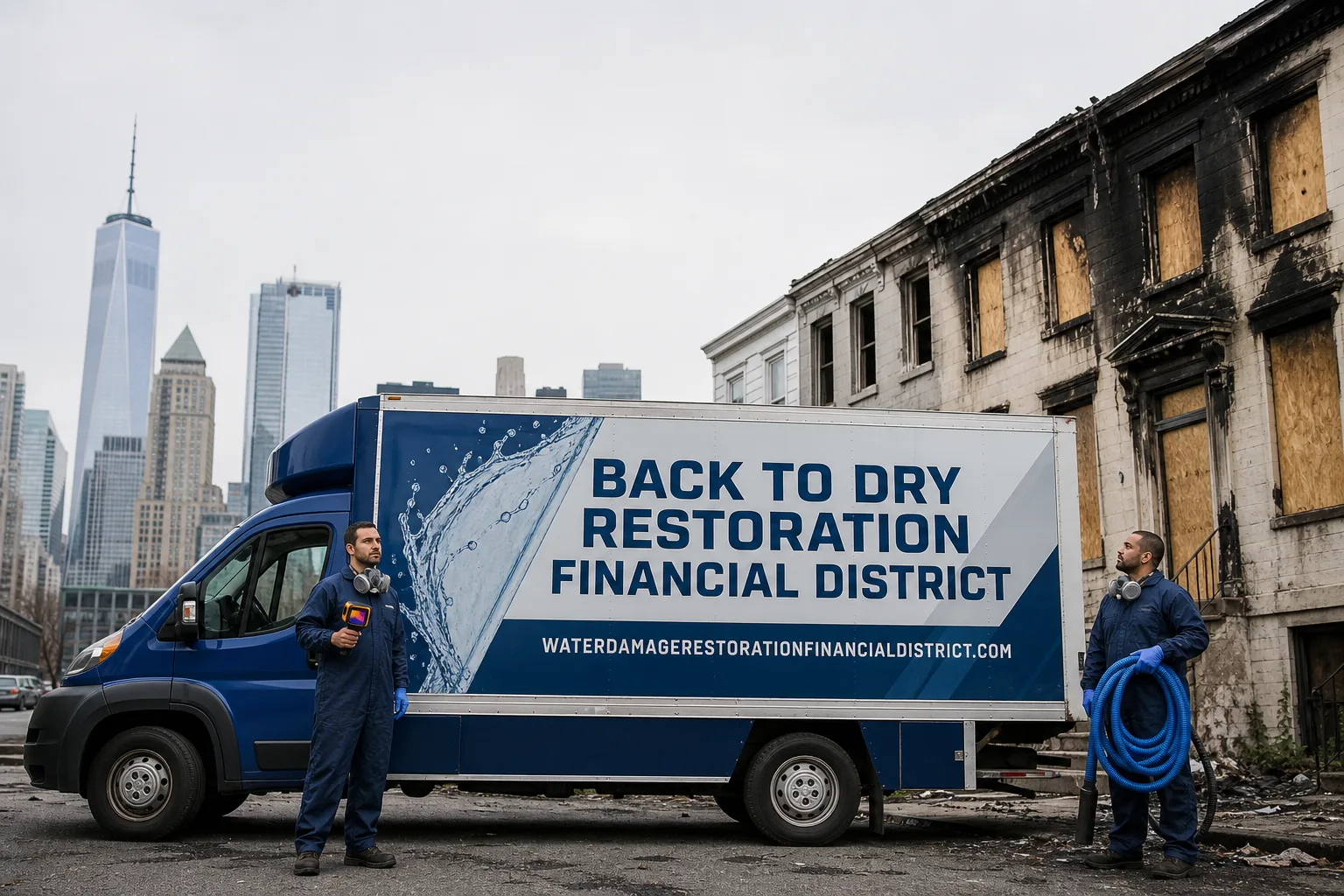
Free visual inspection and a written scope of work before any mitigation begins - photos, moisture readings, and drying logs go in your claim file
The scope we write is the scope we bill. Anything new gets shown to you, in writing, before we touch it.
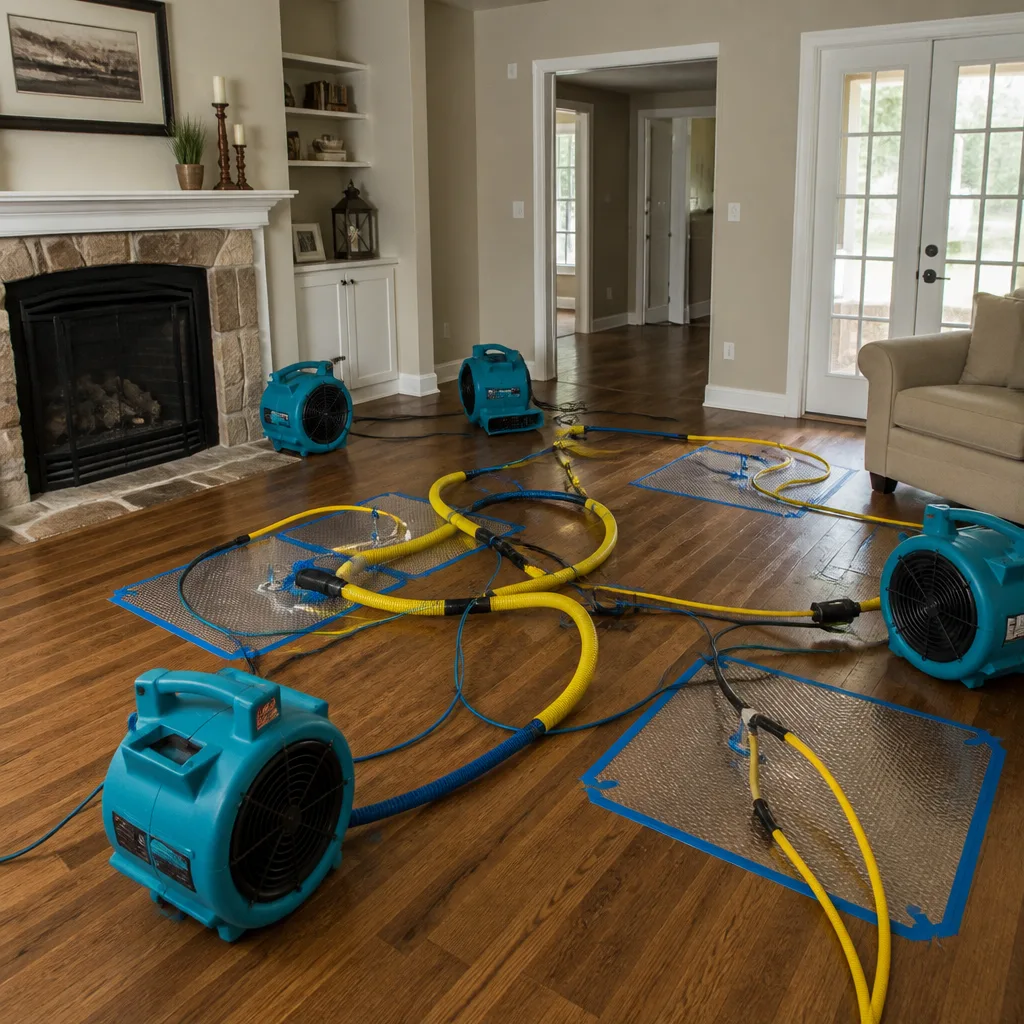
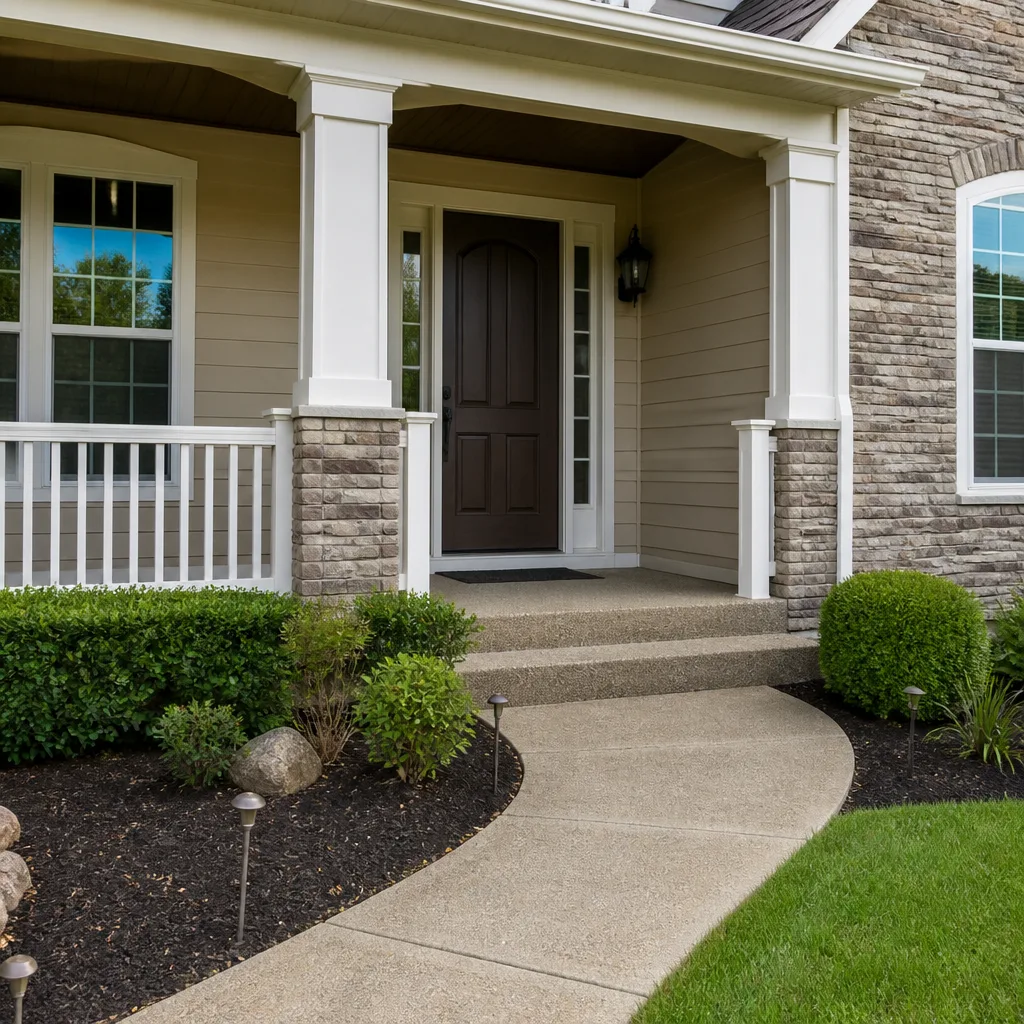
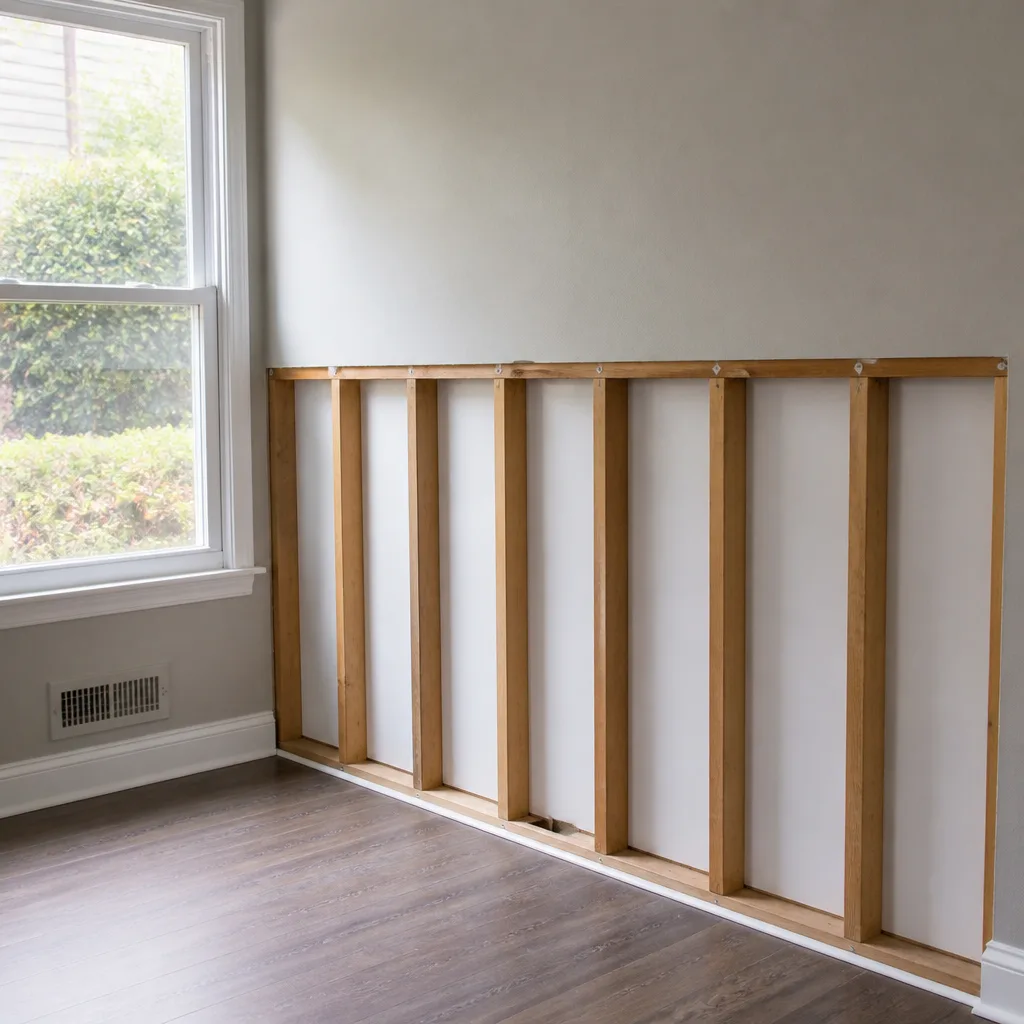
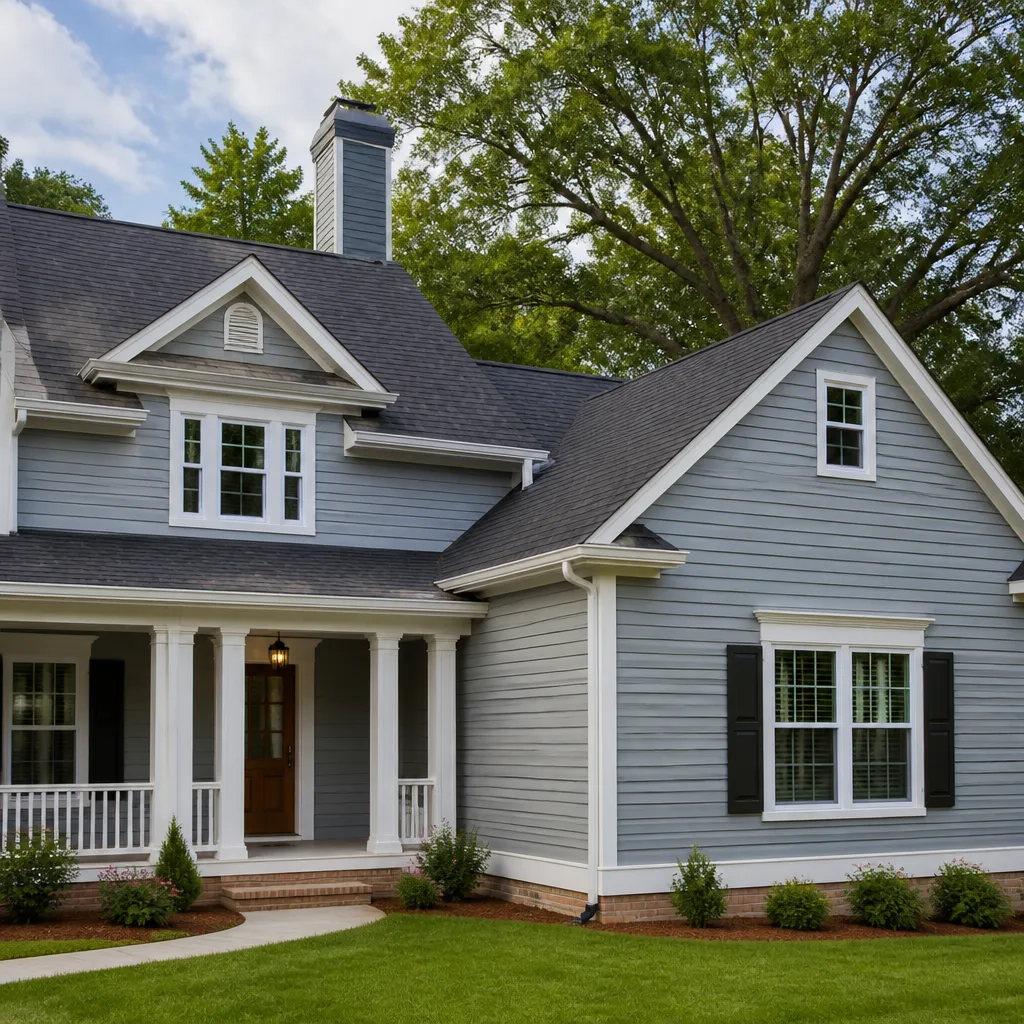
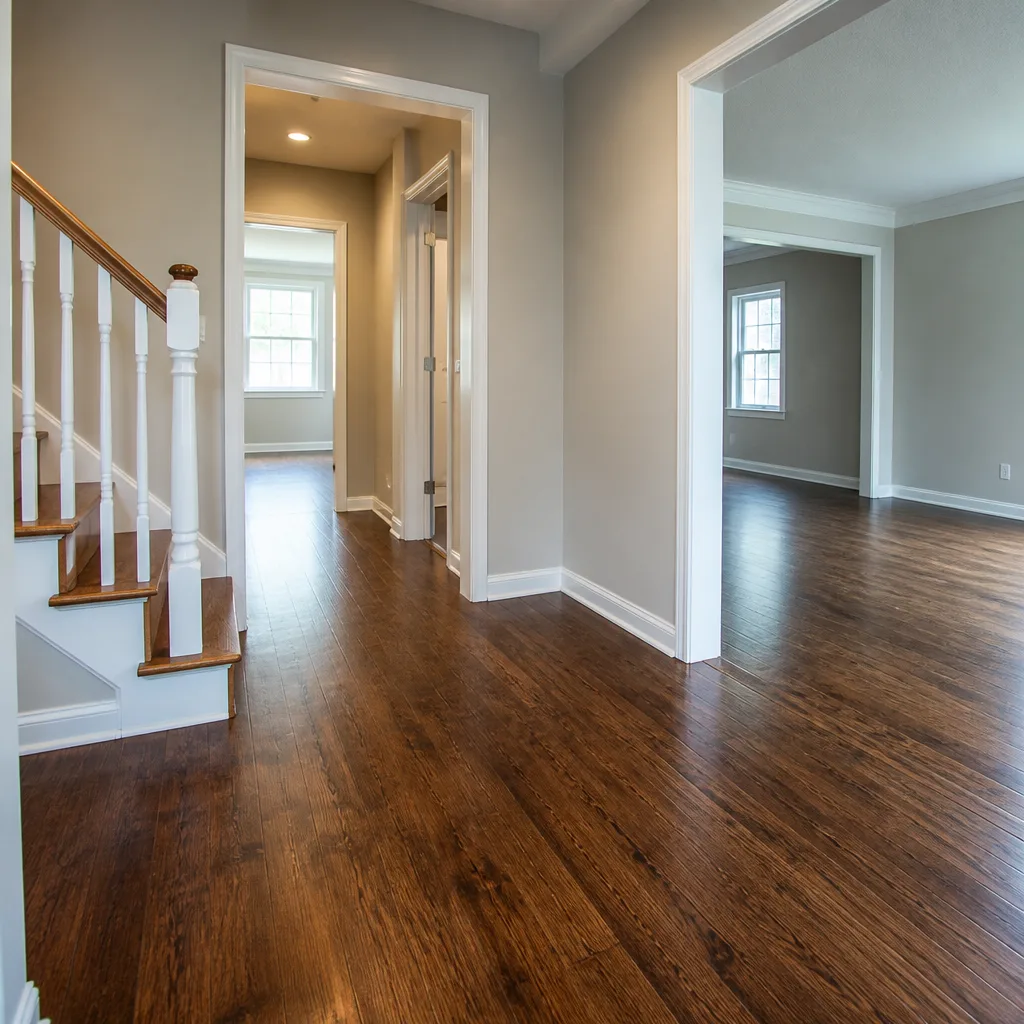
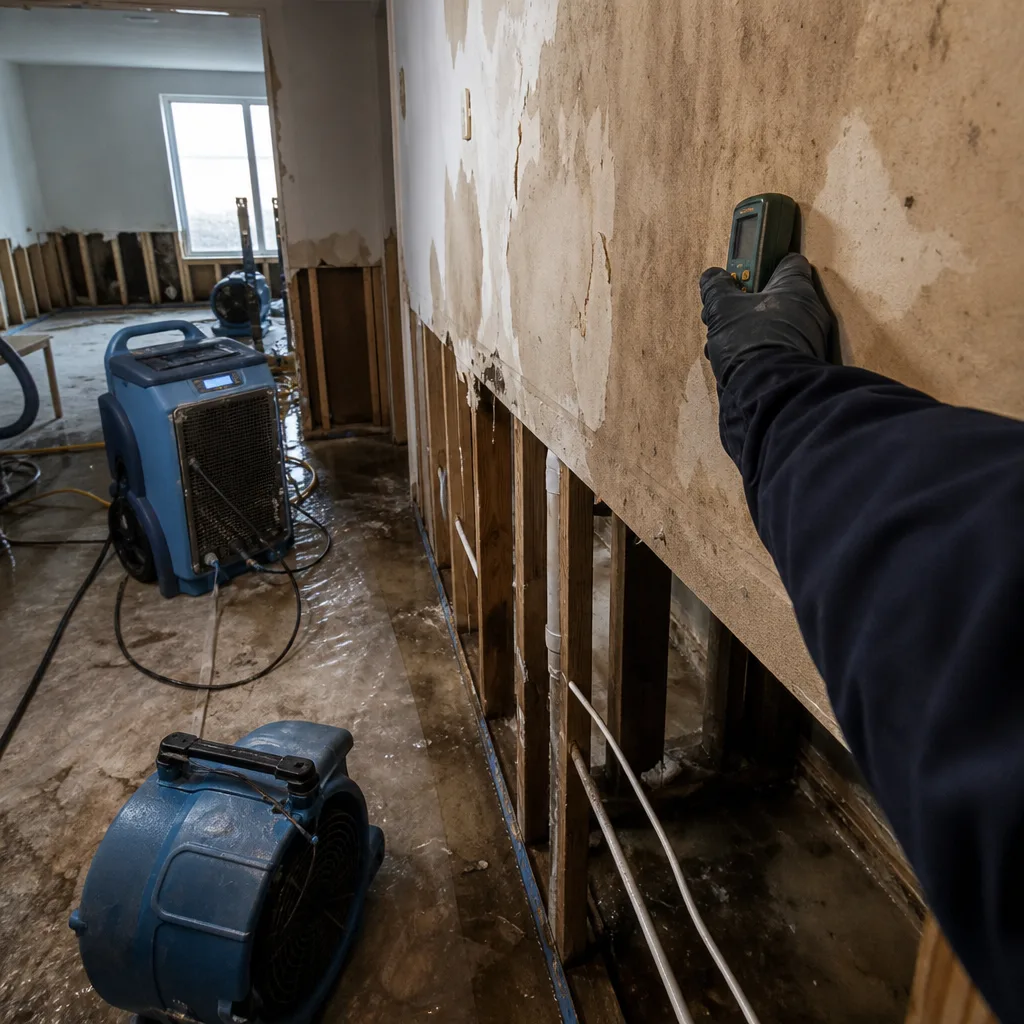 Before
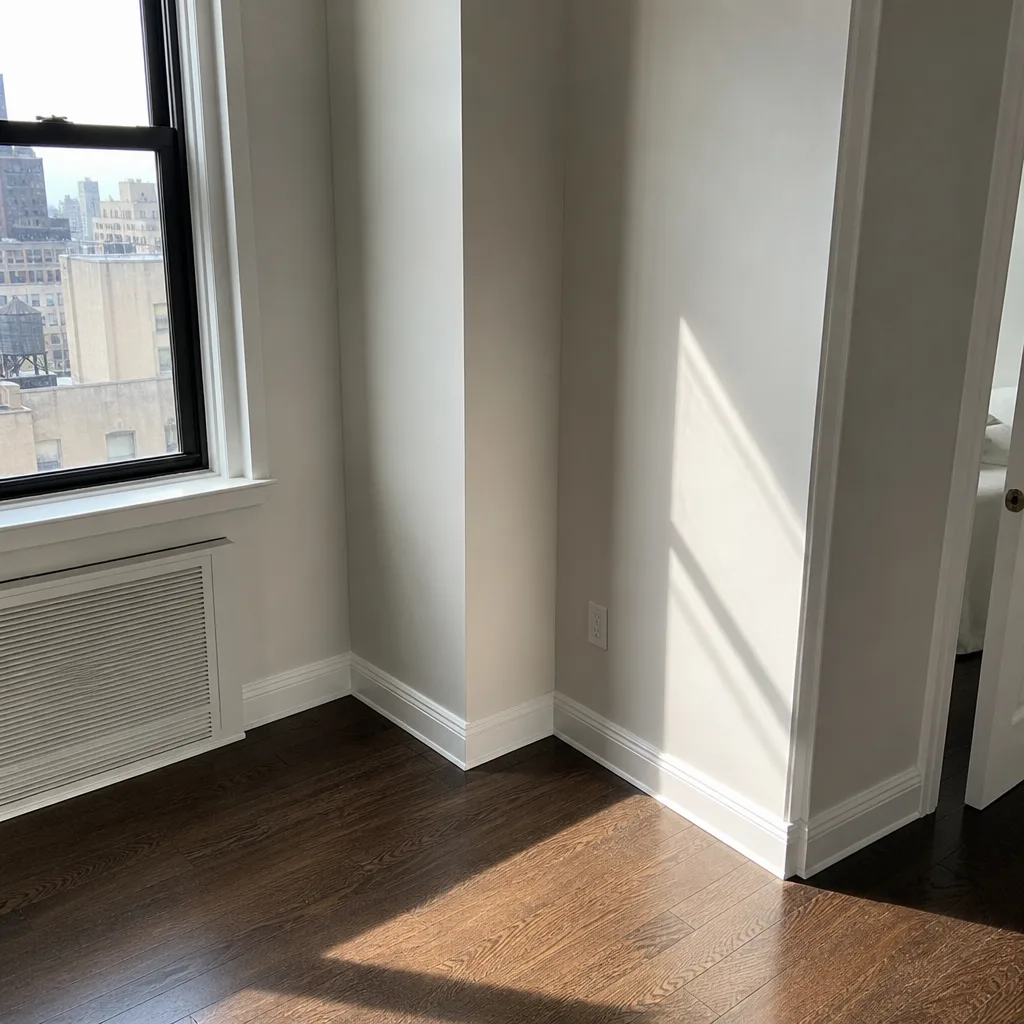 After
After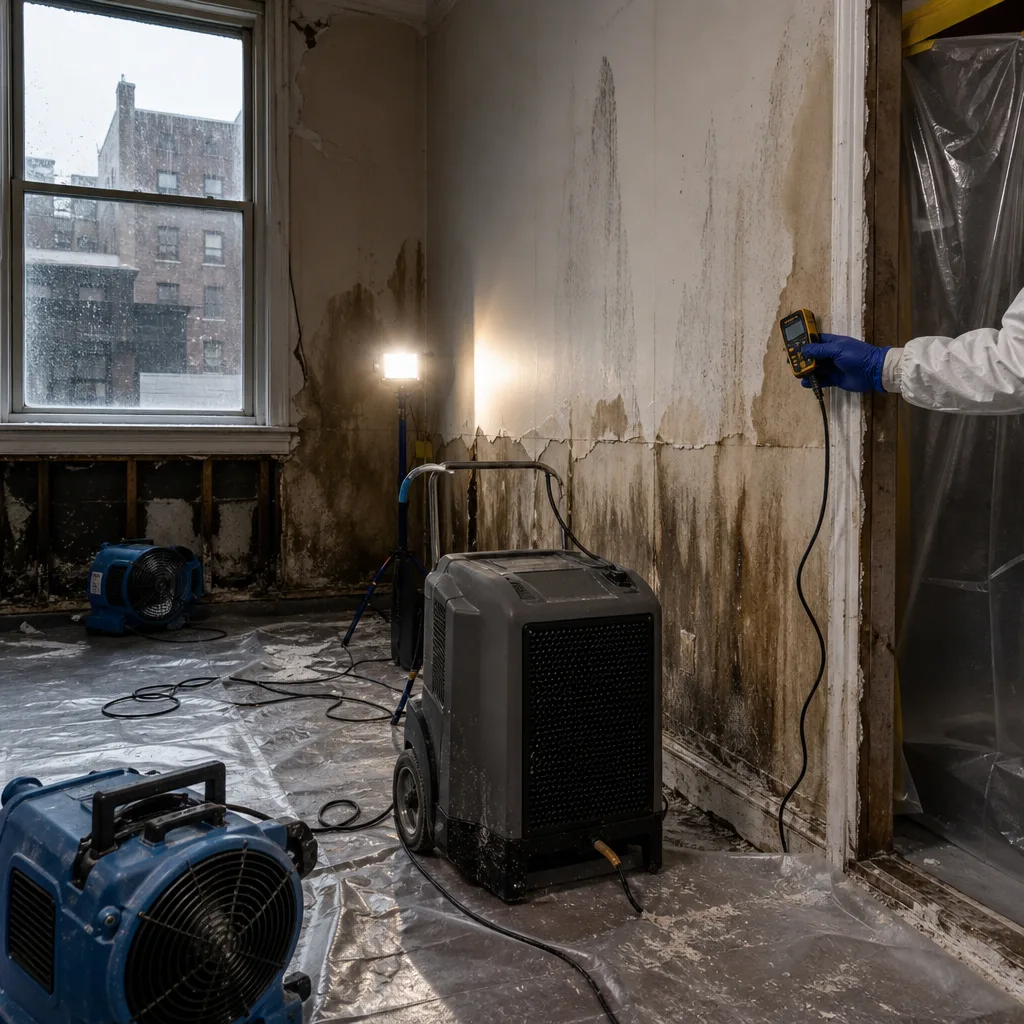 Before
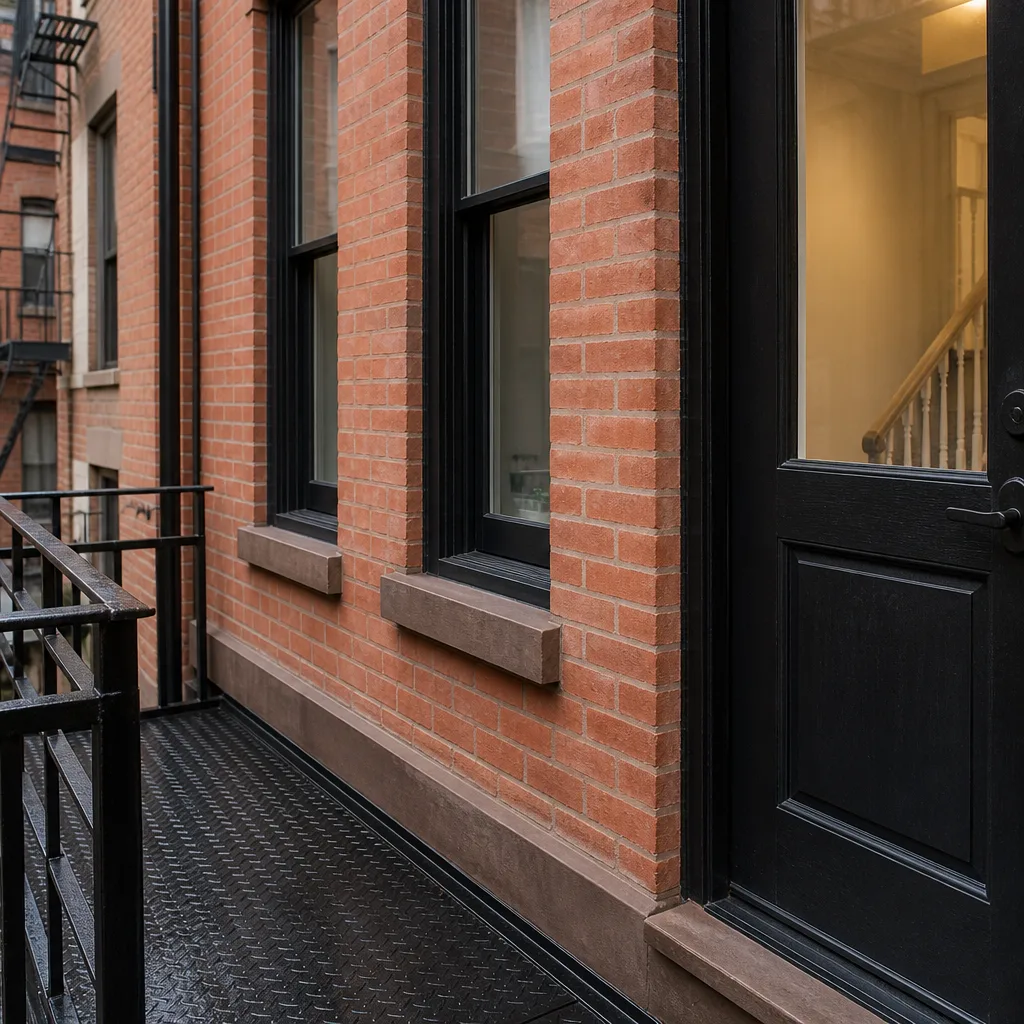 After
After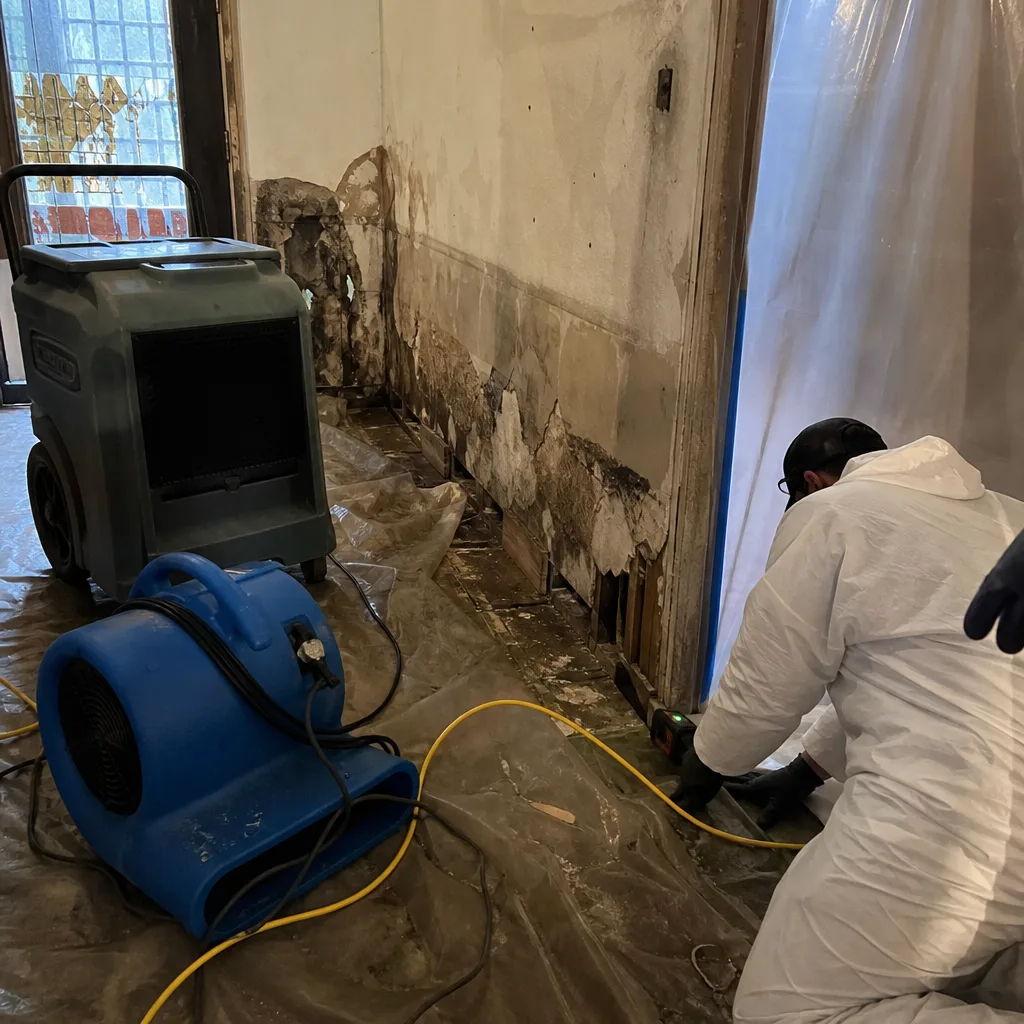 Before
 After
AfterFast, Reliable Water Damage Restoration Across Upper West Side
Water damage restoration in Upper West Side pre-war co-op buildings runs $2,800-$7,500 for most residential engagements, with emergency water extraction and structural drying typically starting same-day once asbestos and lead surveys clear. Crews dispatched from our New York City office reach Upper West Side addresses within 45-60 minutes, though co-op board alteration-agreement approvals can add days to project start. Call (551) 212-1492 for a written price before any work begins - Haven Standard, Clause 1.
We know these buildings. The Upper West Side’s six- to sixteen-story pre-war towers - the Ansonia, the Apthorp, the Belnord, and thousands of similar-era walk-ups and elevator buildings - don’t behave like modern construction. When water moves here, it moves through plaster-and-lath cavity walls, along steam-riser bays, and down cast-iron waste stacks before surfacing floors away from the source. Our Water Damage Restoration team has mapped moisture through enough of these buildings to know where to look first.
Why DryMark Restoration Financial District Is Upper West Side’s Preferred Water Damage Restoration Company
We’ve restored 12,000+ homes since 2011, every one with a written price before work started and a documented photo record when the crew left. Alicia Brennan founded DryMark after years as a claims adjuster watching homeowners lose legitimate coverage because restoration contractors failed to document moisture readings, drying progress, or material classifications. That documentation gap is the problem we built this company to close.
Upper West Side customers find us because they’ve already read the three-star reviews on other companies - the ones where adjusters denied claims for “insufficient documentation” or where crews started demolition without board approval and the co-op fined the owner. We don’t do that. Every job gets a written scope, daily drying logs with psychrometric data (temperature, relative humidity, and vapor pressure differential - the measurable forces that actually dry building materials), and a photo record on every visit. Standard deliverable, never an upsell.
Live person answers every call, 24 hours a day, 7 days a week. No voicemail trees while water is still moving through your walls.
Our Water Damage Restoration Services in Upper West Side
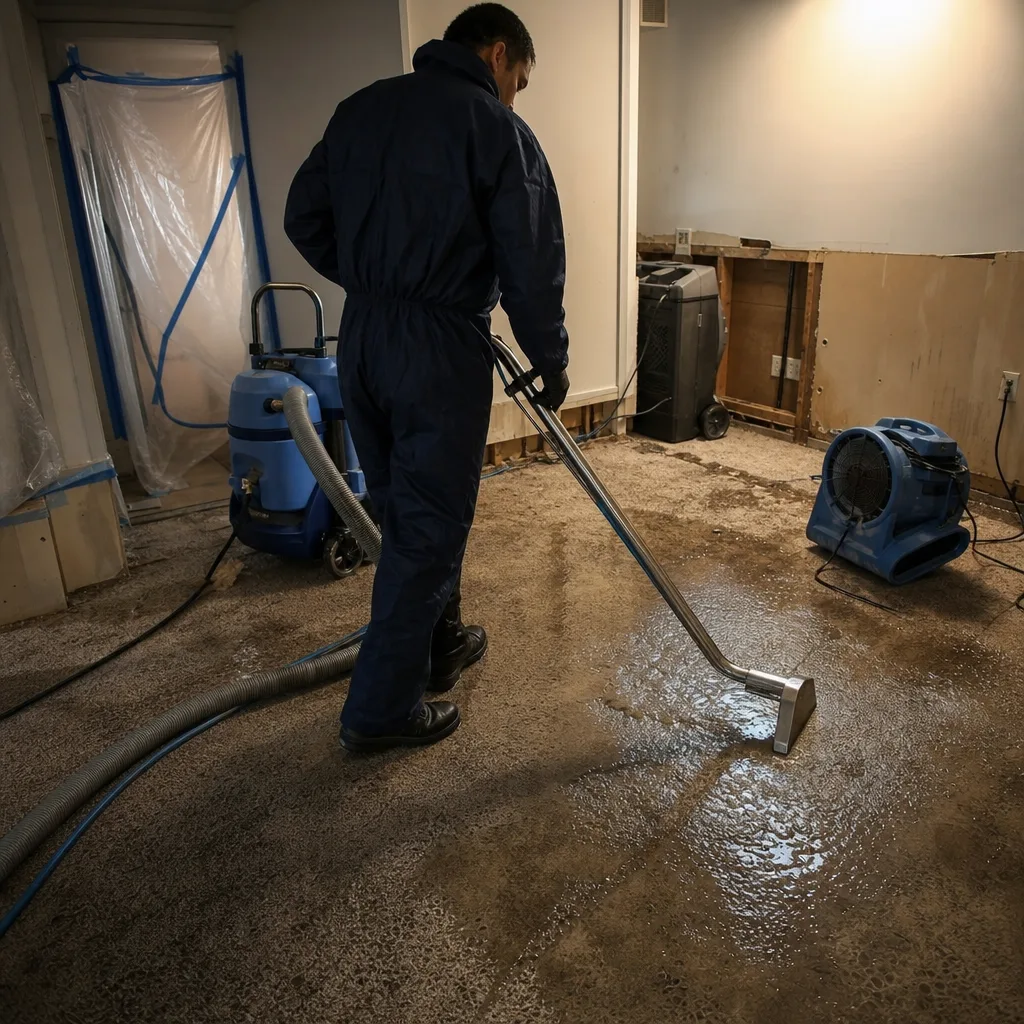
Emergency Water Extraction
When a summer convective downpour overwhelms a century-old interior roof drain on West 86th Street, or a basement areaway drain backs up into a sub-basement mechanical room near Riverside Drive, standing water needs to come out fast. We deploy truck-mounted extraction units and portable flood pumps sized to the space - elevator pits, basement storage rooms, penthouse terraces with failed membranes. Extraction in Upper West Side typically runs $1,200-$2,800 for residential units, with written price delivered before any equipment starts.
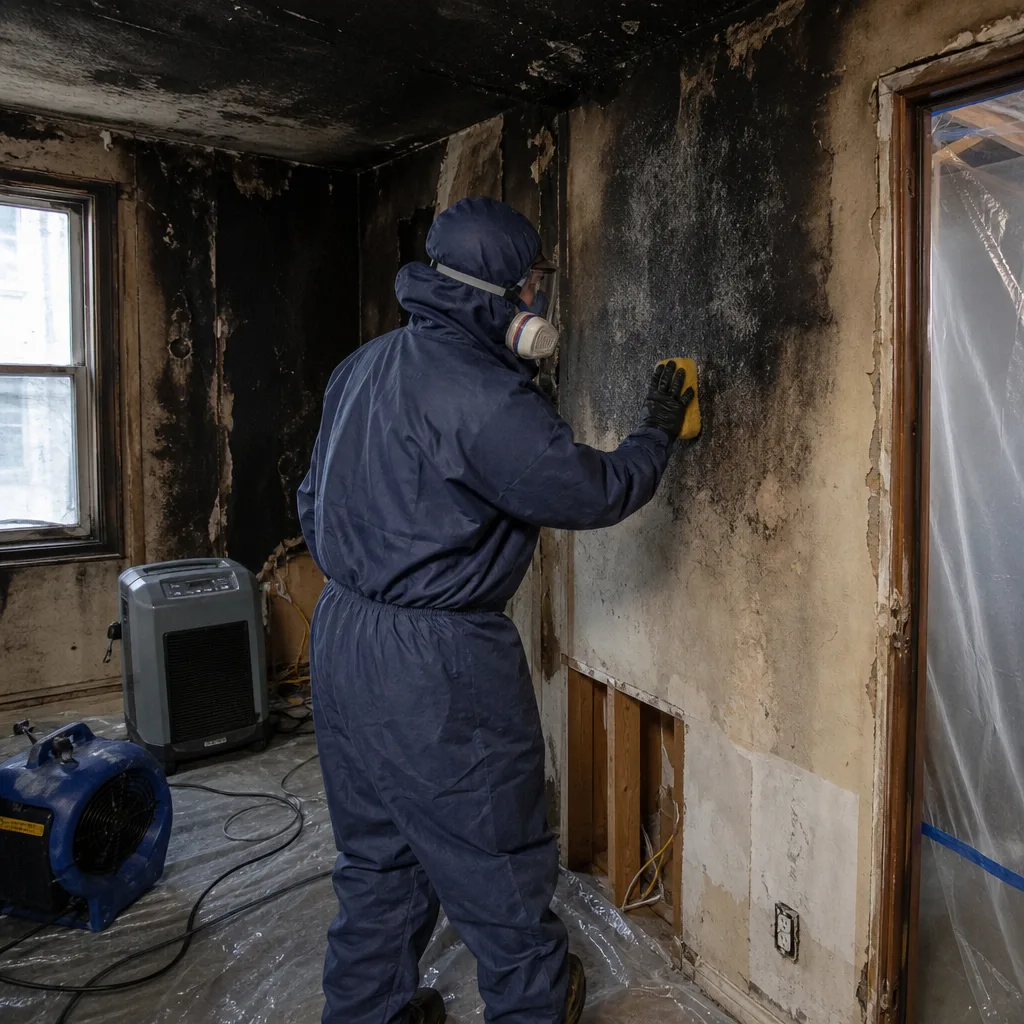
Structural Drying & Dehumidification
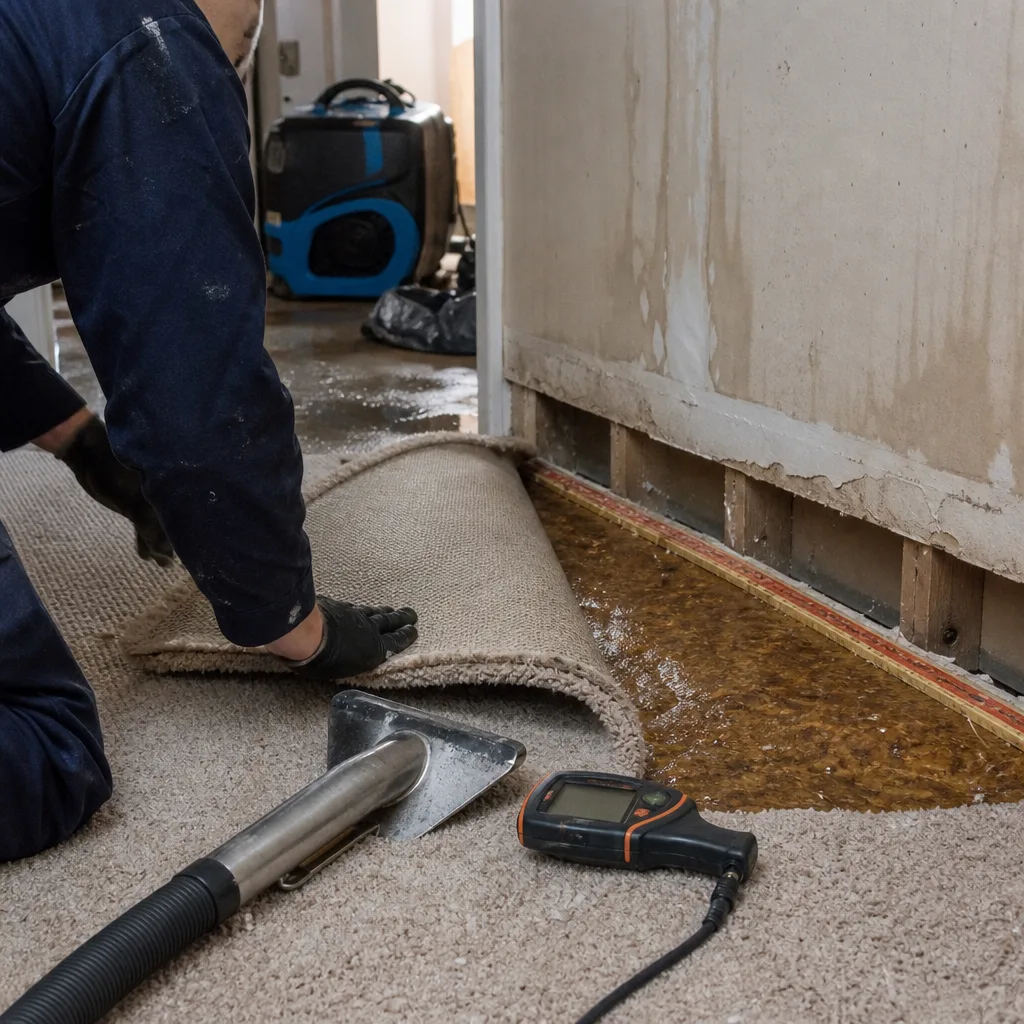
This is where pre-war construction changes everything. Plaster-over-lath walls hold moisture differently than modern drywall - the lath creates capillary channels that keep water moving vertically long after the source is fixed. We use low-grain refrigerant dehumidifiers from Phoenix and Dri-Eaz, plus targeted air movers and Injectidry cavity-drying systems, to establish vapor pressure differentials that pull moisture from deep in the wall assembly. Daily moisture logs track every reading: wood moisture content, relative humidity, specific humidity, and dew point. These logs are what turn your restoration invoice into a payable insurance claim. Structural drying in Upper West Side pre-war units typically runs $1,800-$4,200 depending on affected square footage and cavity access.
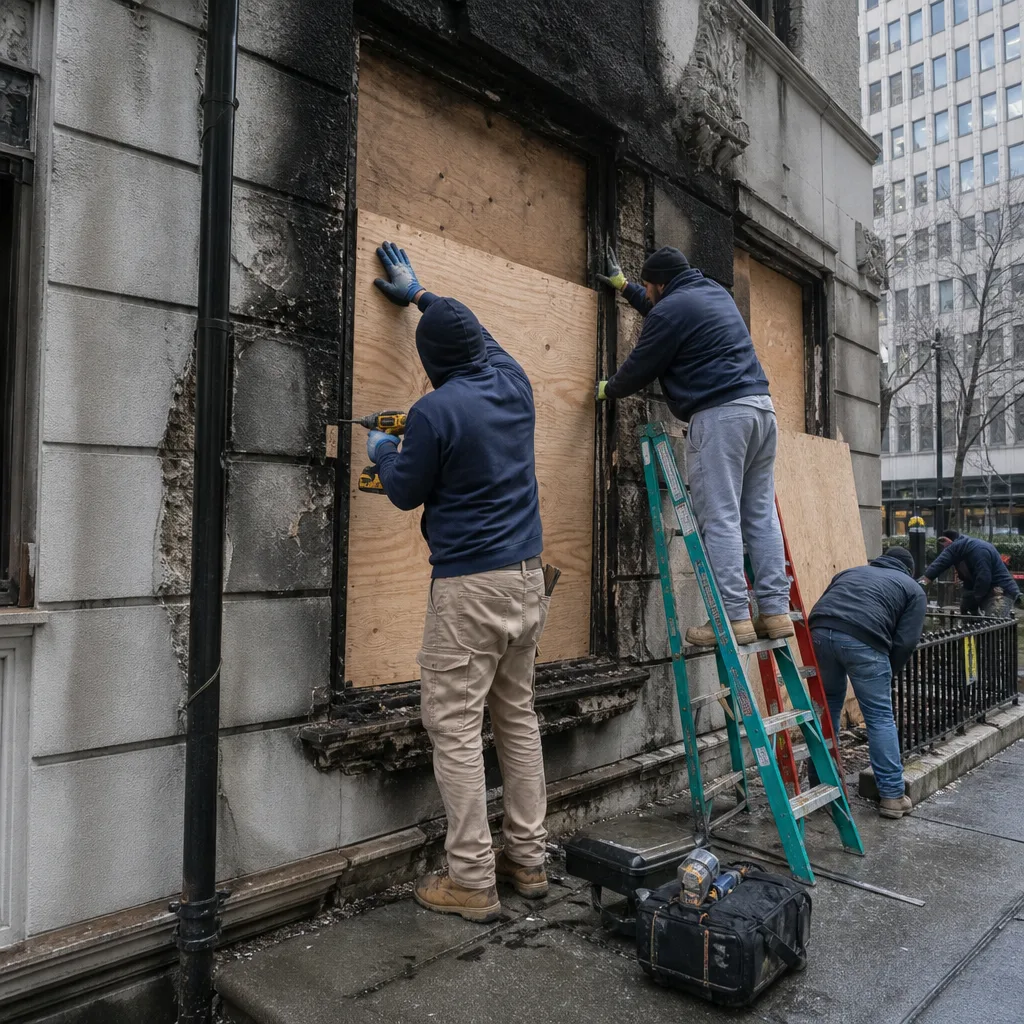
Flood Cleanup
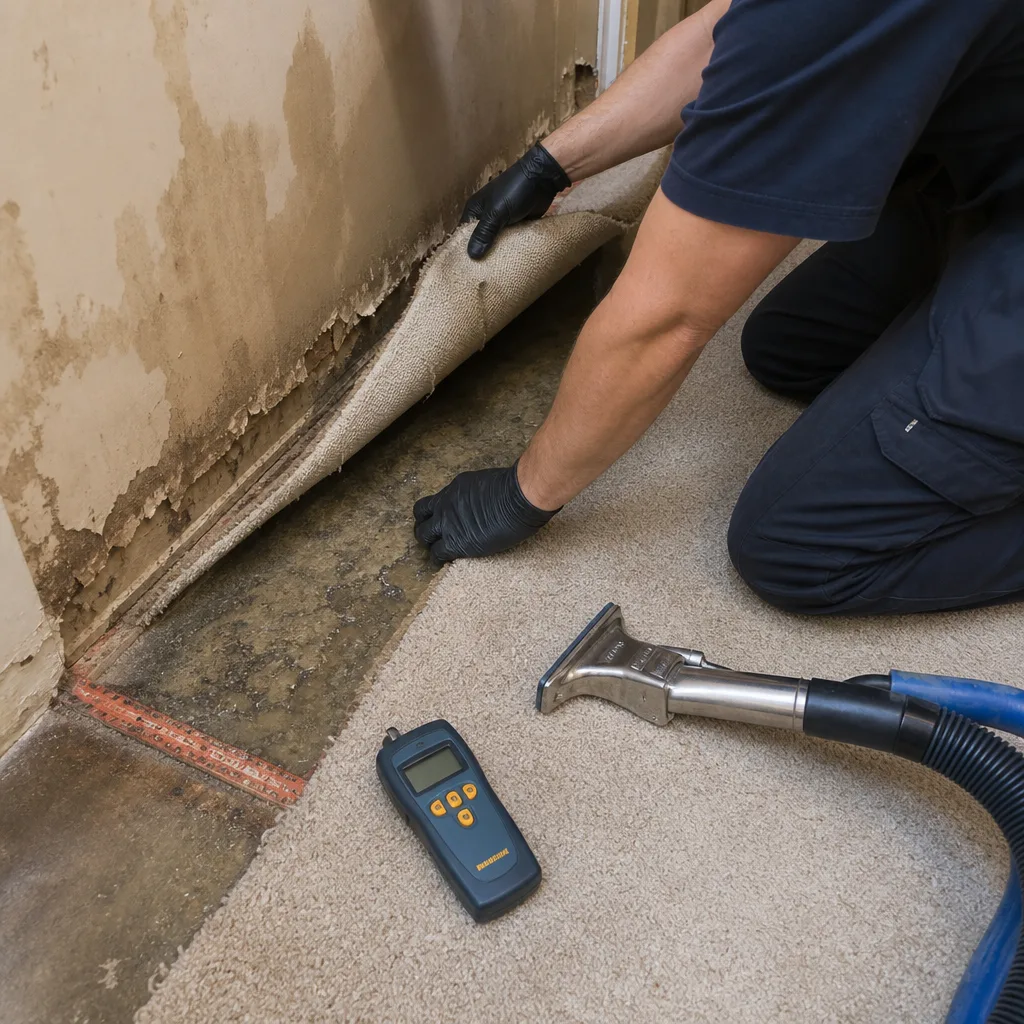
Upper West Side flood cleanup means different things depending on the water category. Category 1 - clean supply line - can often be dried in place with proper documentation. Category 2 - gray water from dishwasher or washing machine discharge - requires more aggressive material removal, especially in pre-war buildings where organic debris in century-old drains raises contamination risk. Category 3 - sewage or ground flooding - means removal of porous materials that cannot be sanitized, full stop. We classify the water, document the classification with photos, and build the written scope accordingly. No surprises once the crew is inside. Flood cleanup in Upper West Side ranges $2,500-$6,500 for typical residential engagements.
Burst Pipe Restoration
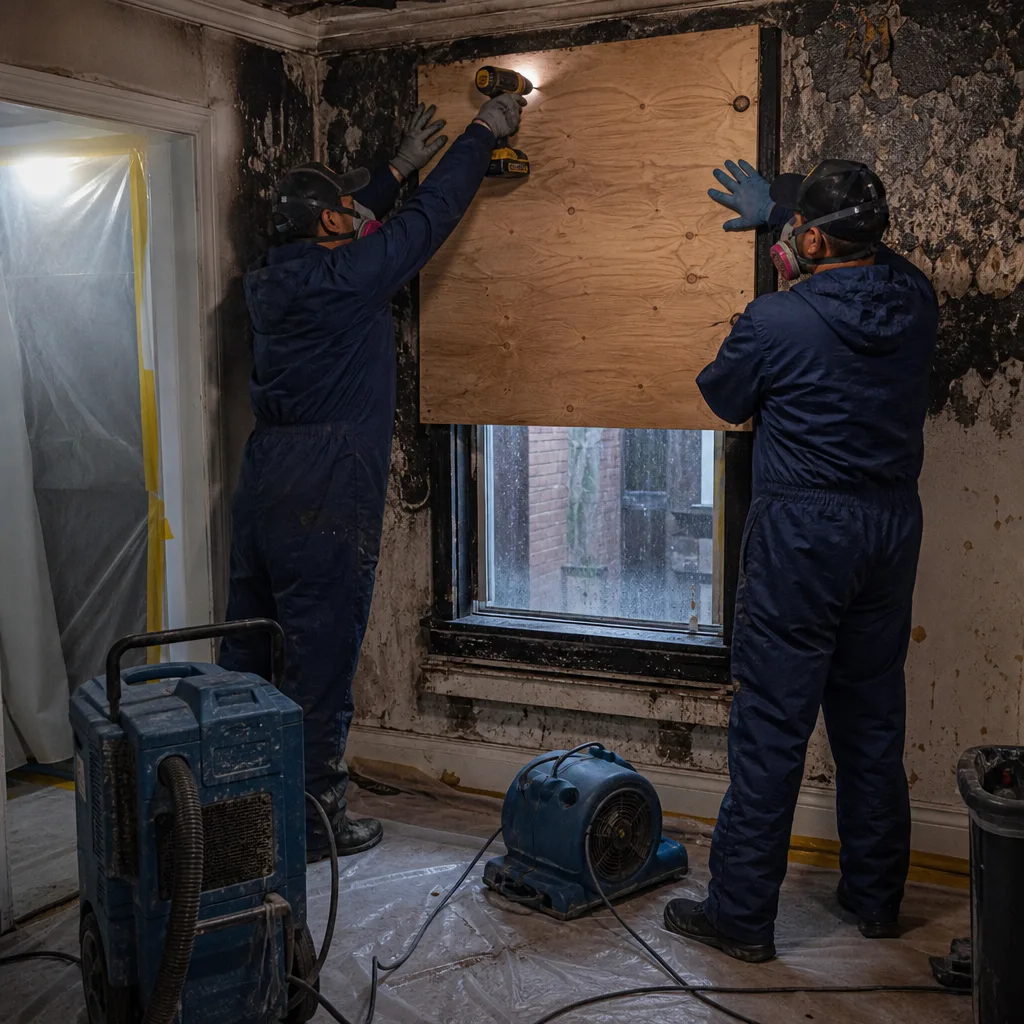
Manhattan’s freeze-thaw cycles stress original cast-iron plumbing every winter. When a steam-riser valve fails or a waste stack cracks inside a pre-war UWS building, water wicks silently through plaster-and-lath cavity walls for days before surfacing - often two or three floors below and one or two units laterally from the actual source. The unit reporting ceiling damage is almost never where the investigation needs to start. Our techs moisture-map the full vertical riser bay before any demolition begins, tracing the actual path so we don’t leave hidden moisture to become mold six weeks later. Burst pipe restoration in Upper West Side typically runs $3,200-$7,500, with co-op board coordination and asbestos/lead survey timing built into the written scope.
Ceiling & Roof Leak Water Damage
Flat and low-slope built-up roofing membranes on Upper West Side pre-war buildings fail predictably: winter freeze-thaw opens seams, summer UV degrades the cap sheet, and ponding water finds its way to the deck below. Top-floor and penthouse water intrusion claims spike every January and July. We document the roof assembly condition, trace the leak path through insulation and structural decking, and dry the affected cavity without destroying irreplaceable coffered plaster ceilings where possible. When replacement is unavoidable, we match the original profile - not drywall over a generic finish - because Haven Standard, Clause 3 requires restoration to pre-loss condition, not merely functional repair.
What happens when you call
- 1
A real person answersNo phone trees - you reach a local pro.
- 2
You get an upfront price rangeHonest numbers before anyone is dispatched.
- 3
A background-checked tech heads outLicensed & insured, dispatched right away.
- 4
You approve before work beginsNothing starts until you say go.
BeforeAfterTrusted Brands We Service in Upper West Side
Our equipment inventory runs on Dri-Eaz, Phoenix, and XPOWER systems - the same units specified in IICRC and RIA drying standards - with Injectidry cavity-drying panels for the lath-and-plaster assemblies unique to Upper West Side housing stock. We don’t rent equipment by the day and hope it clears. We own it, maintain it, and log its performance on every job. That matters when your co-op board wants to see documentation that drying was done to standard, not just “until it felt dry.”
Common Water Damage Restoration Problems We See in Upper West Side Homes
- Starting demolition before asbestos and lead surveys clear. On pre-war UWS co-ops with original cast-iron plumbing, steam-heat risers, and plaster-over-lath construction, this is both a legal violation and a board-level dealbreaker. We build survey timing into every written scope.
- Chasing the visible ceiling stain instead of moisture-mapping the full vertical riser bay. Water from a cracked cast-iron waste stack can surface two or three floors below the actual source. Treating the wrong unit leaves ongoing moisture and mold risk.
- Replacing irreplaceable pre-war finishes with standard drywall and paint. Coffered plaster ceilings, herringbone oak floors, Beaux-Arts crown moldings - these have no off-the-shelf equivalent. We match or we don’t demo.
- Assuming modern drying protocols work in plaster-and-lath construction. Standard drywall-focused psychrometric targets fail here. Lath cavities need longer drying cycles with lower specific humidity targets, documented daily until readings stabilize.
Pricing for Water Damage Restoration in Upper West Side, NY
Most residential water damage restoration in Upper West Side falls between $2,800 and $7,500, with the range driven by water category, affected square footage, and the pre-war building factors that extend timelines: asbestos and lead survey coordination, co-op board alteration-agreement processing, and material matching for irreplaceable finishes.
Here’s how typical engagements break down:
- Emergency water extraction: $1,200-$2,800
- Structural drying & dehumidification: $1,800-$4,200
- Flood cleanup (Category 2-3): $2,500-$6,500
- Burst pipe restoration with co-op coordination: $3,200-$7,500
- Ceiling & roof leak damage with plaster matching: $2,200-$5,800
Every price is written before work begins - Haven Standard, Clause 1 - with no scope-creep additions once the crew is inside. Bring a competitor’s written estimate and we’ll review it at no charge: Free Second Opinion, standard on every inquiry.
We Also Serve Cities Near Upper West Side
Our Water Damage Restoration in Upper West Side crews also respond to water damage calls in Financial District, Brooklyn Heights, Williamsburg, and Murray Hill - same documentation standards, same written-price-first protocol, same 365-Day Done Right Promise under The Haven Standard.
Serving Upper West Side, NY - Our Local Coverage Area
We’re based in the Upper West Side area and know this community well. Use the map below to see our service coverage - if you’re nearby, we can almost certainly help.
FAQs - Water Damage Restoration in Upper West Side
Water from a failed steam-riser valve or cracked cast-iron waste stack travels through plaster-and-lath cavity walls for days before surfacing, often two or three floors below and one or two units laterally from the actual source. The lath creates capillary channels that move water vertically while the plaster face hides the migration until saturation forces it through. We moisture-map the full riser bay before any demolition to find the actual source, not just the visible damage. Call (551) 212-1492 for an exact scope - estimates are free.
Emergency water extraction to stop ongoing damage can begin immediately, but any demolition that disturbs plaster, pipe wrap, or painted surfaces requires cleared asbestos and lead surveys under NYC Department of Environmental Protection rules and virtually every UWS co-op’s alteration agreement. We coordinate both tracks simultaneously: extraction and containment now, survey-dependent demolition in the written scope’s next phase. The written price accounts for this sequencing so you’re not paying standby time. Call (551) 212-1492 for a timeline specific to your building.
Yes. Category 1 clean water can often be dried in place in plaster-and-lath walls with proper dehumidification and air movement. Category 2 gray water requires removal of porous materials that contacted the water, including insulation and any cellulose-based finishes. Category 3 black water means removal of all porous materials, full stop, plus antimicrobial treatment of remaining structural elements. We classify the water with photo documentation, explain the classification in plain terms, and build the written scope accordingly. Call (551) 212-1492 for a free assessment.
No. Haven Standard, Clause 3 requires restoration to pre-loss condition, not functional approximation. Coffered plaster ceilings, herringbone oak floors, and Beaux-Arts crown moldings in Upper West Side pre-war buildings have no off-the-shelf equivalent. We match the original profile with documented methods, or we don’t demo. The written scope specifies exactly what finish you’ll receive, with photo references from comparable restorations. Call (551) 212-1492 to review material matching for your specific ceiling.
Within 24-48 hours for Category 1 water to prevent mold germination on organic surfaces, but pre-war plaster-and-lath construction buys slight time compared to modern drywall - the inorganic plaster face resists fungal growth better than paper-faced gypsum. That said, the lath behind is wood, and once moisture reaches it, the clock runs. More urgent than the mold timeline is stopping the source: failed steam risers and waste stacks can pump water continuously until the building superintendent isolates the line. We answer live 24/7 to coordinate emergency extraction while the source is being secured. Call (551) 212-1492 - no voicemail on emergency lines.
A co-op owner near West 70th and West End Avenue called about a water-stained ceiling, but our tech traced the moisture readings to a failed steam-riser valve in the unit directly above and one bay over, where category 2 water had been wicking through plaster-and-lath for days. We set containment, ran air movers and a Phoenix dehumidifier for structural drying, and logged daily moisture readings - but first, the board-prompted asbestos and lead survey had to clear the demolition scope, which delayed start by over a week. Ultimately we matched the coffered plaster ceiling on the repair rather than drywall, since no off-the-shelf finish would look right in that pre-war interior.
Ready for a written price before any work starts? Call DryMark Restoration Financial District at (551) 212-1492. Live person, 24 hours a day, 7 days a week. Free Second Opinion on any competitor’s written estimate. Every job documented to IICRC, RIA, and IFA standards with daily moisture logs, photo records on every visit, and the 365-Day Done Right Promise under The Haven Standard.
Written by Alicia Brennan, Owner at DryMark Restoration, serving Upper West Side since 2011.