
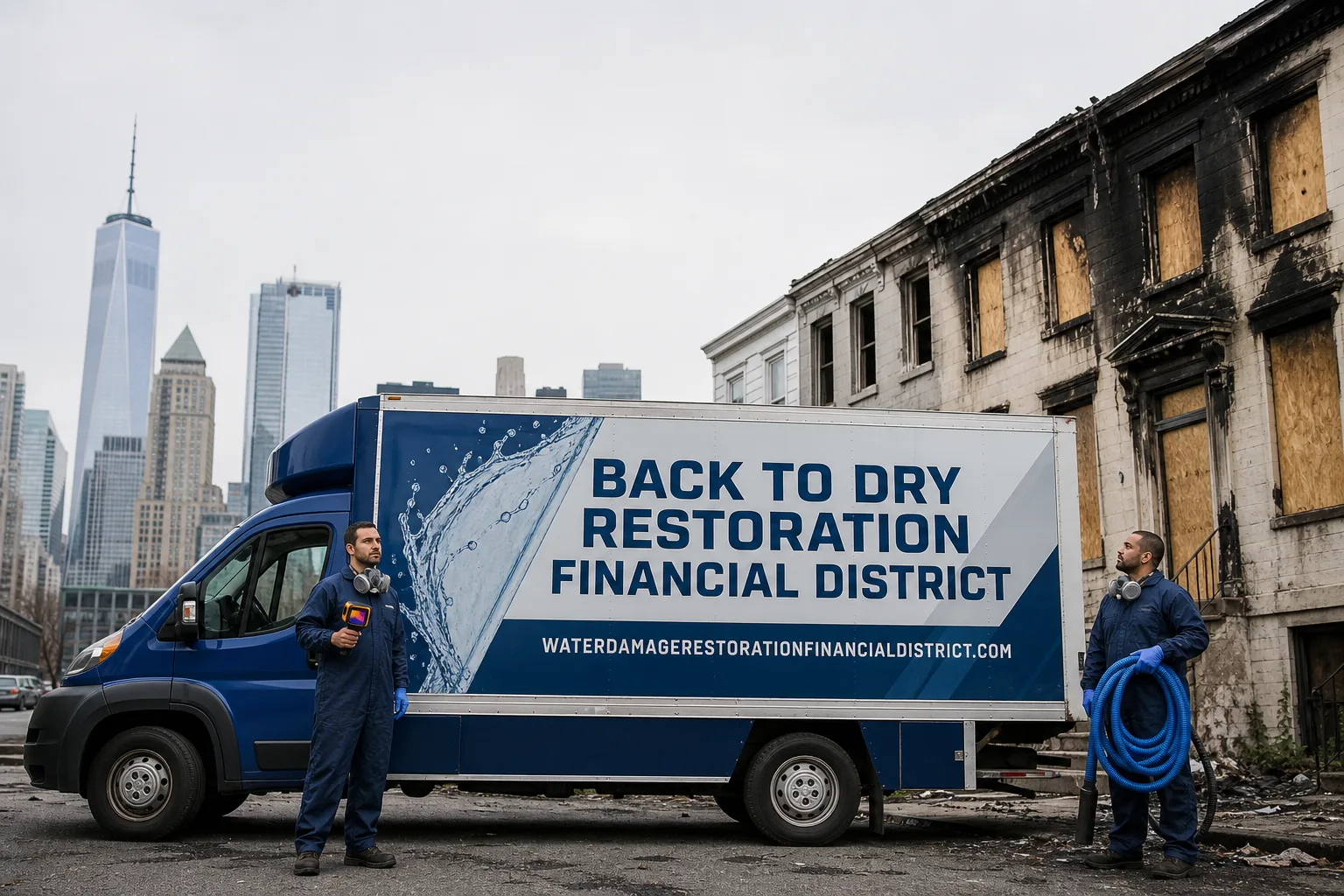
Free visual inspection and a written scope of work before any mitigation begins - photos, moisture readings, and drying logs go in your claim file
The scope we write is the scope we bill. Anything new gets shown to you, in writing, before we touch it.
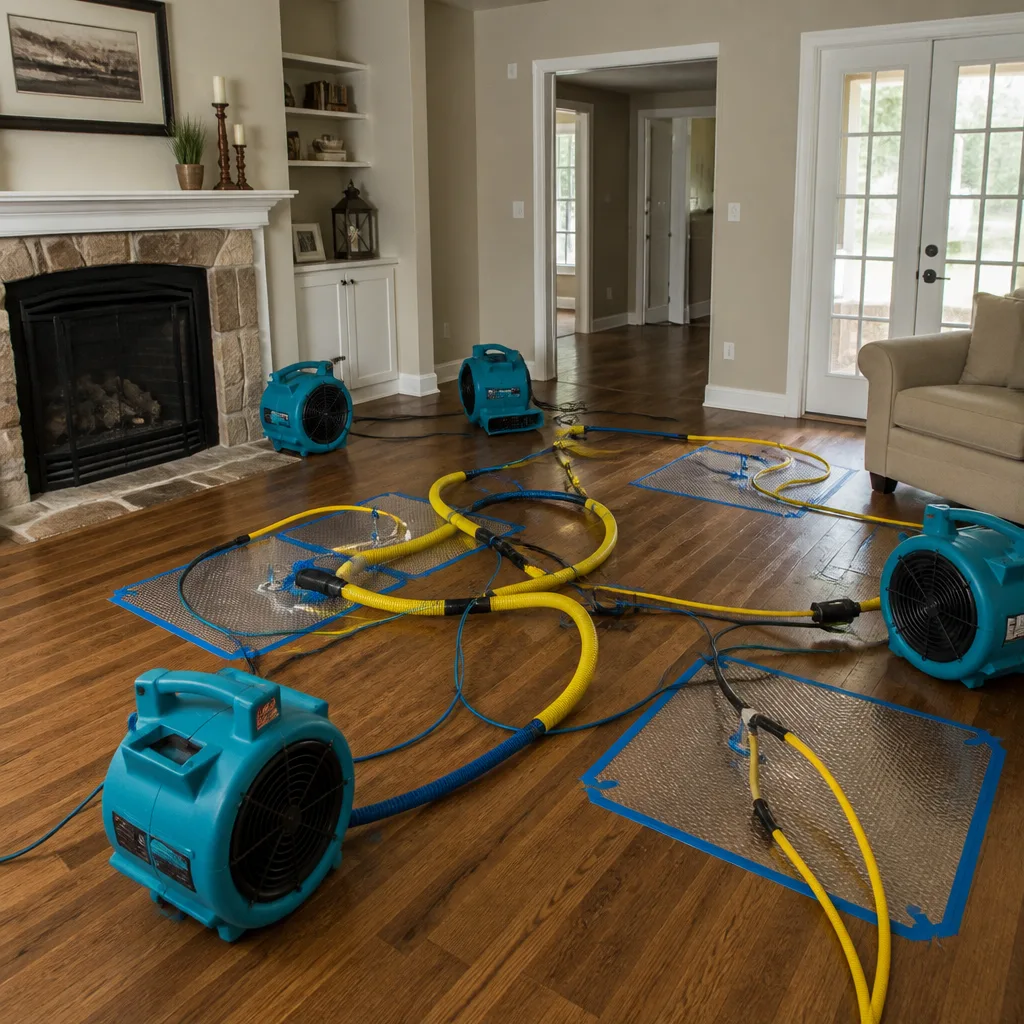
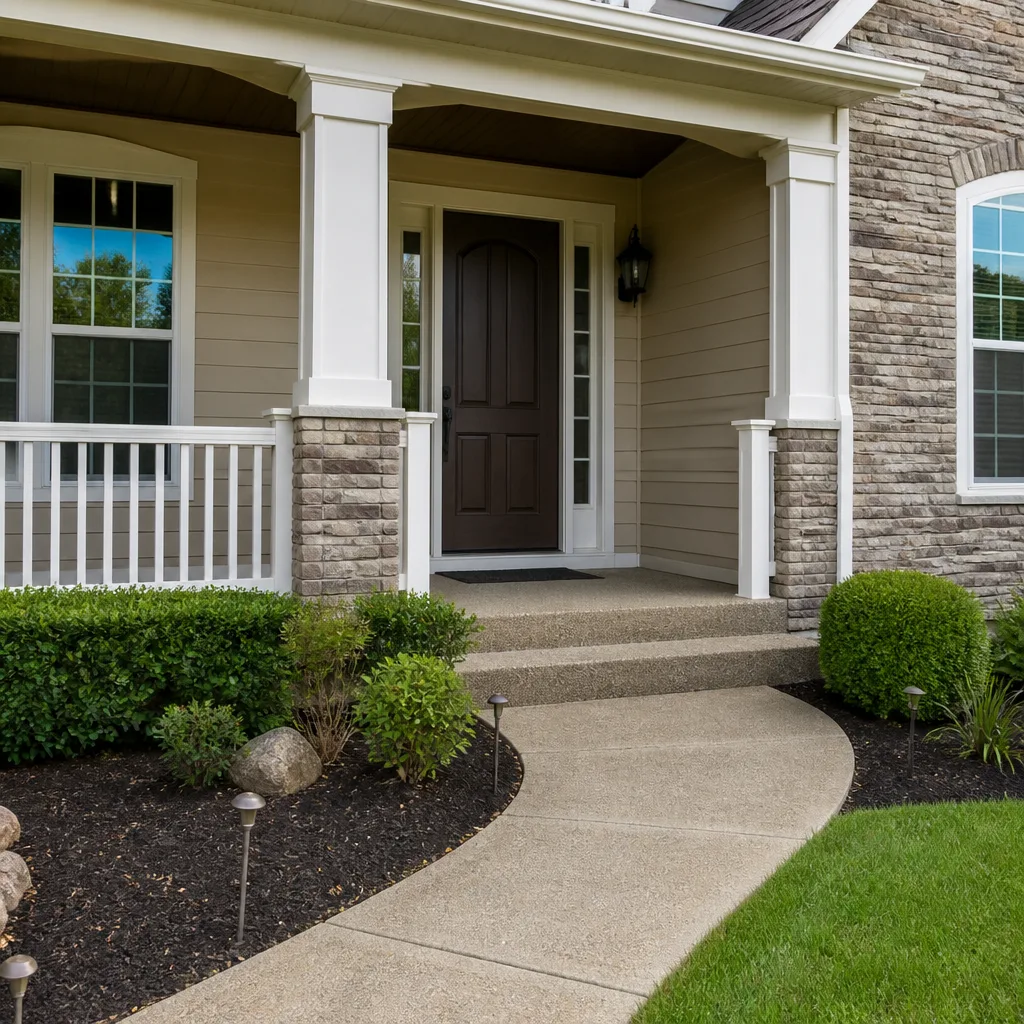
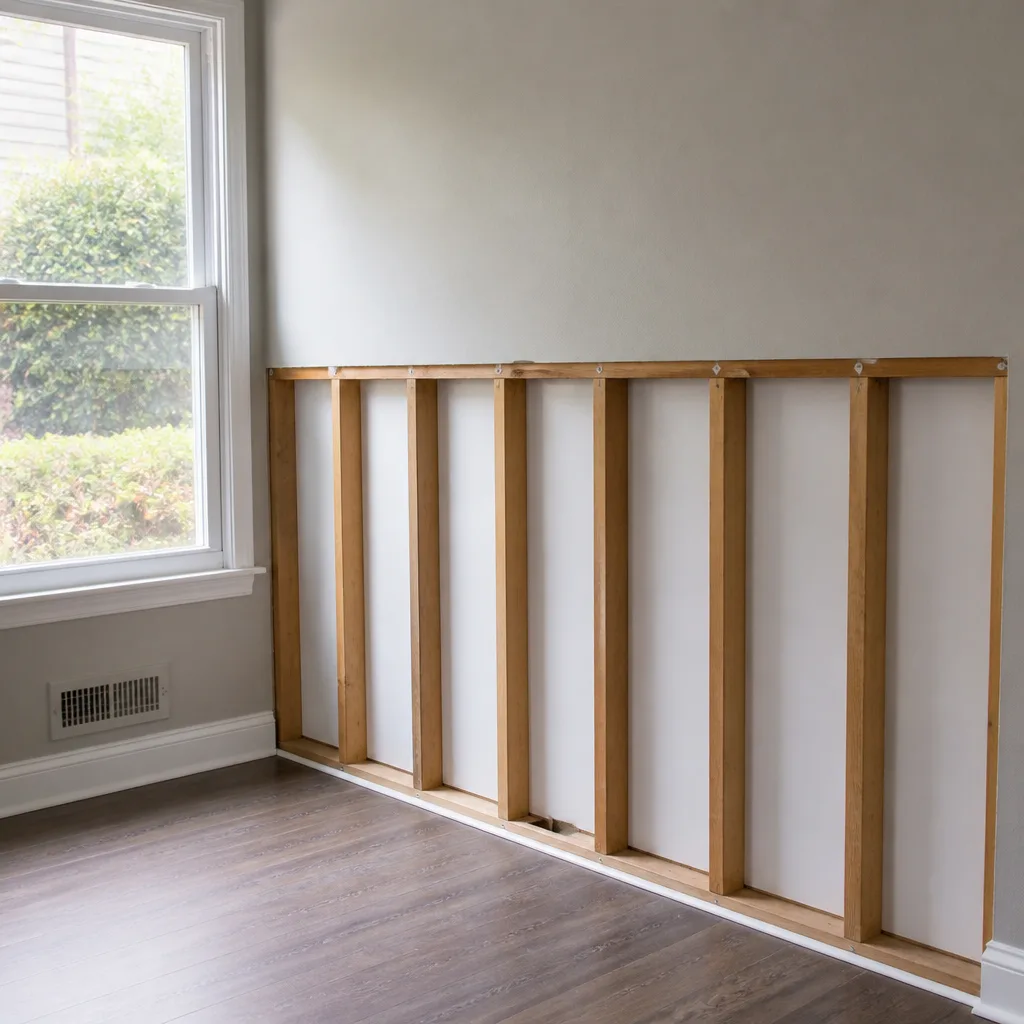

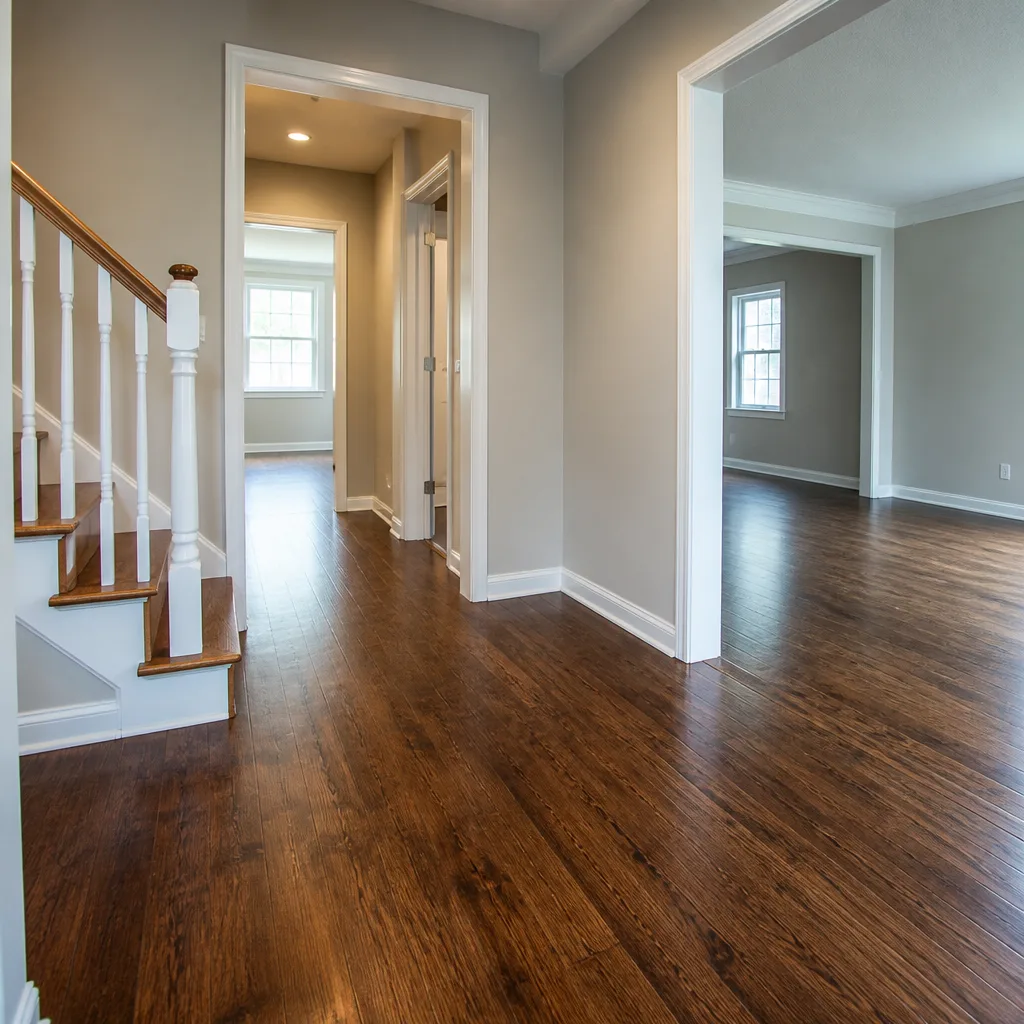
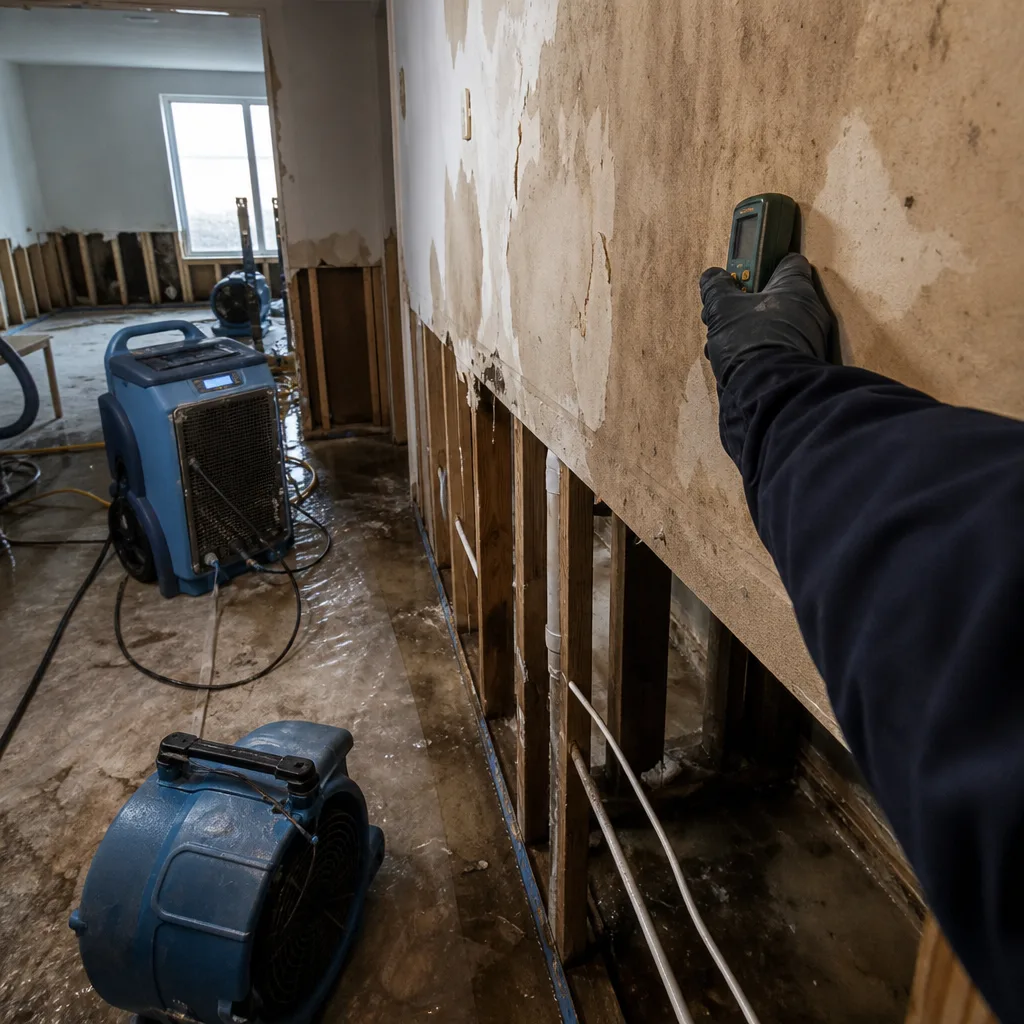 Before
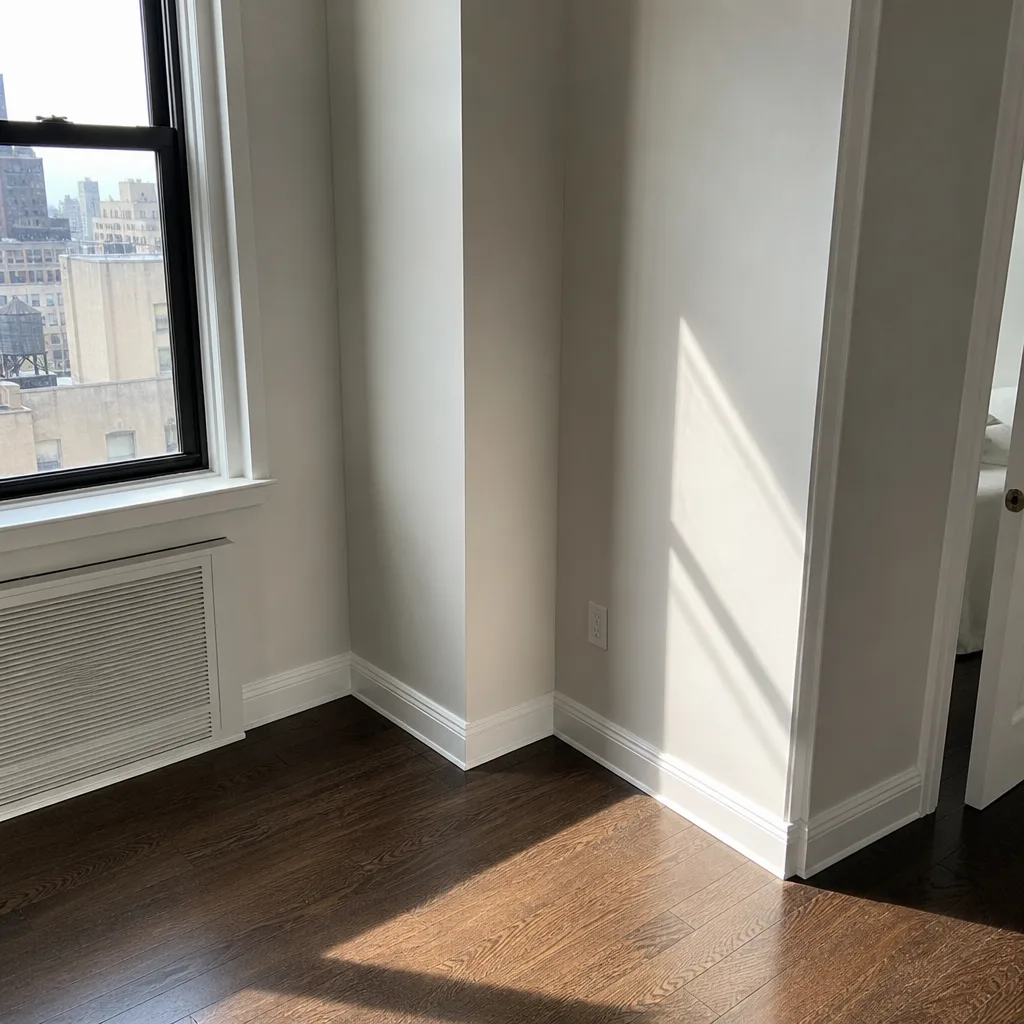 After
After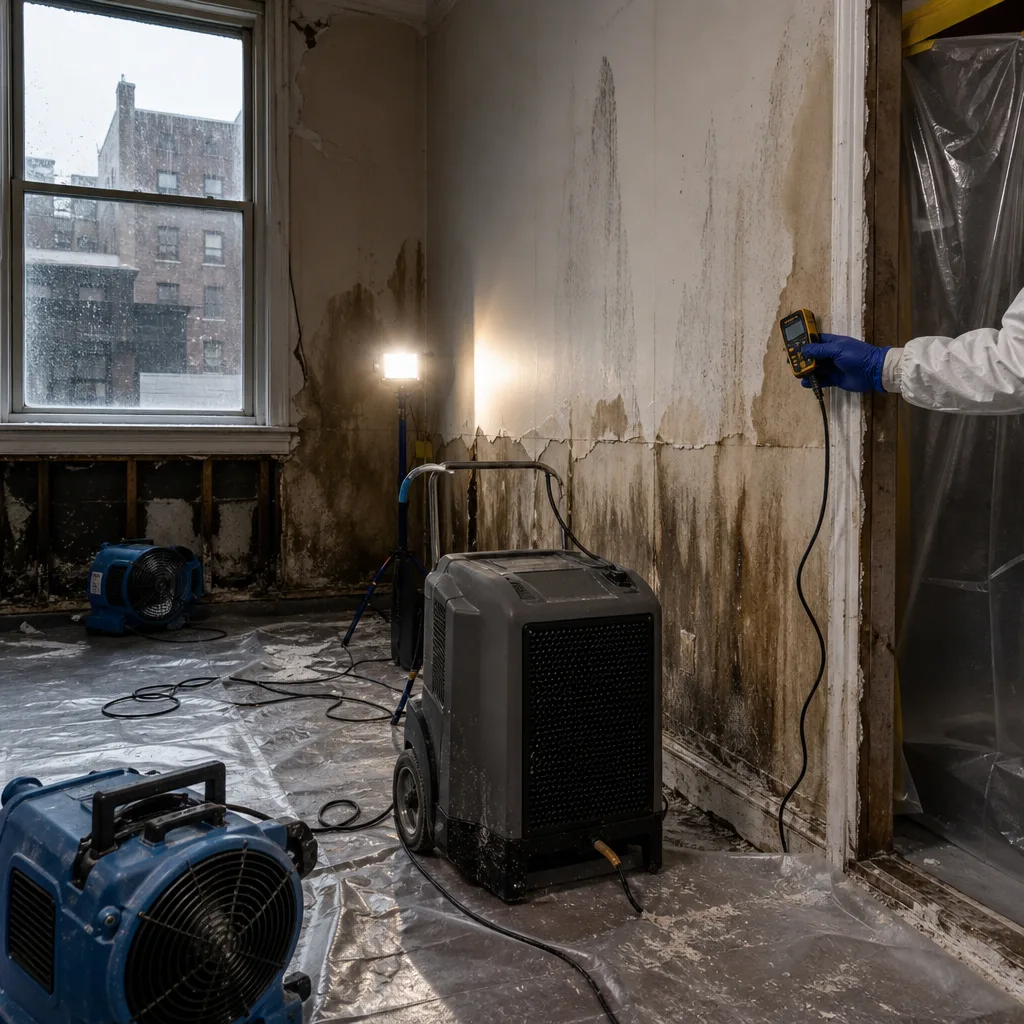 Before
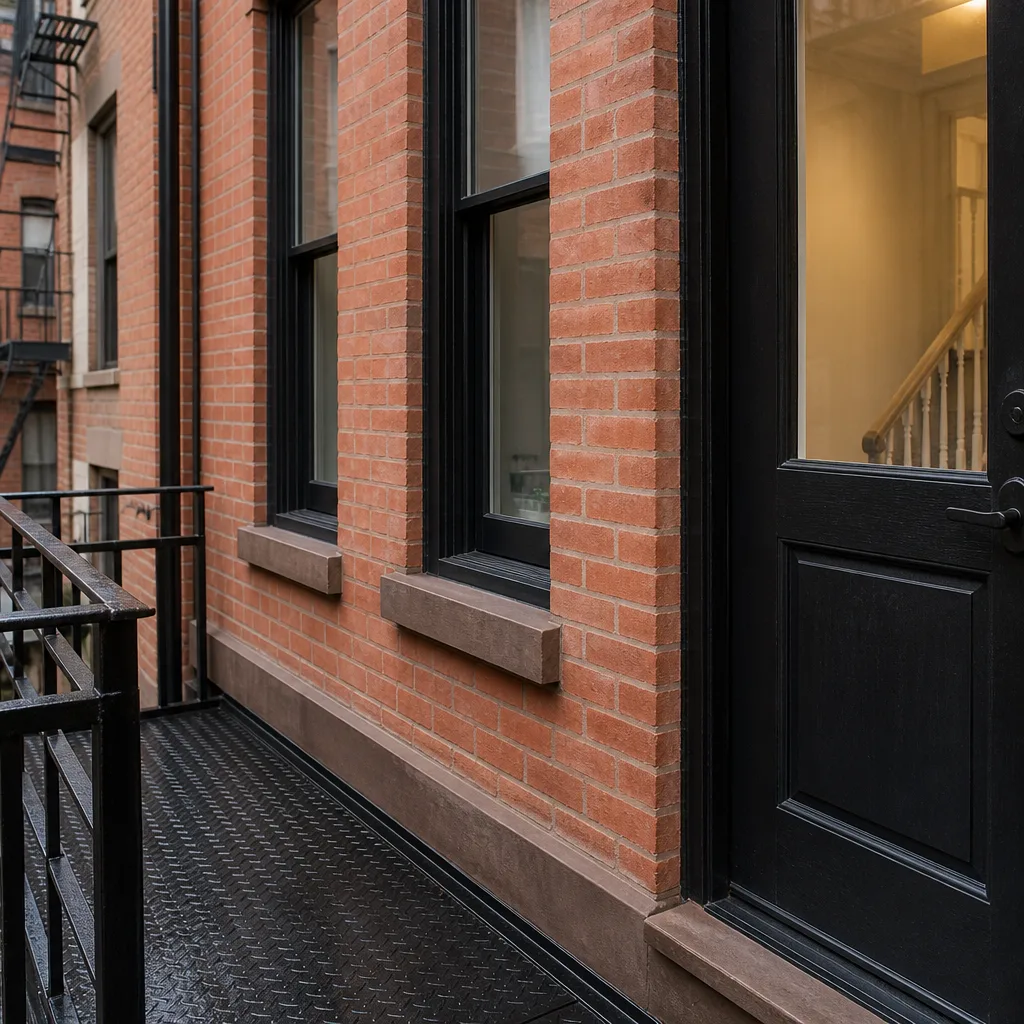 After
After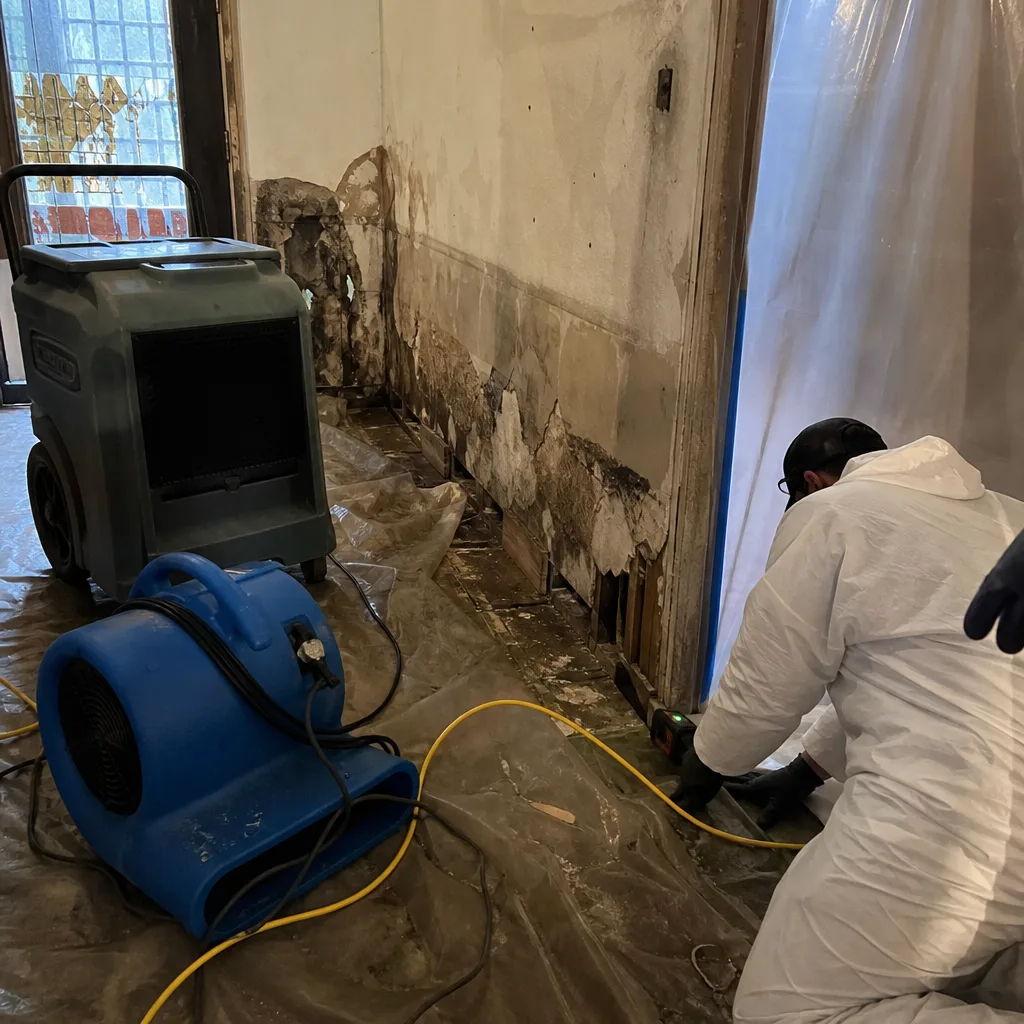 Before
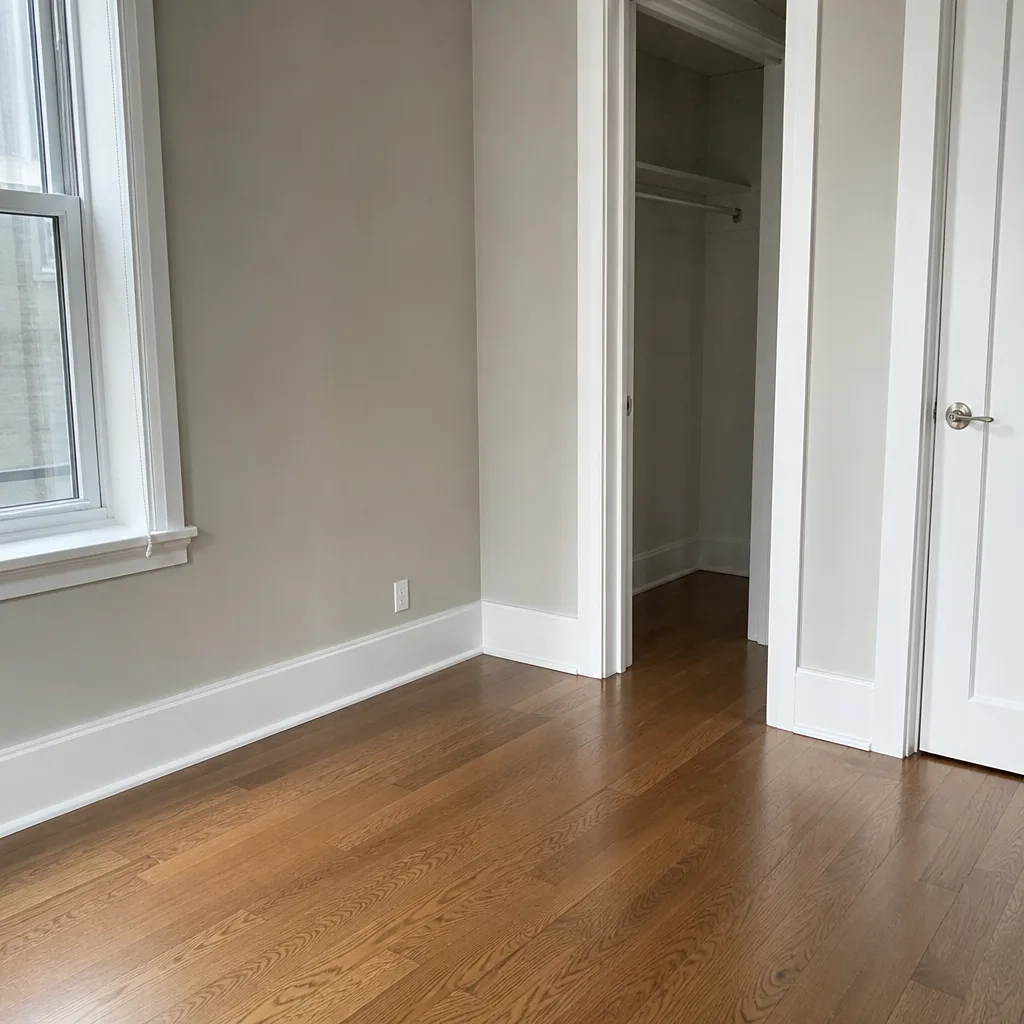 After
AfterTrusted Sewage Cleanup for Financial District Homeowners
Sewage cleanup in Financial District, NY typically costs $3,500-$8,500 for residential backups and is available same-day through our 24-hour live dispatch. DryMark Restoration, led by Alicia Brennan, has handled Category 3 water losses in lower Manhattan since 2011, with every job starting from a written price and ending with a documented photo record. Call (551) 212-1492 now and a live person will pick up, no voicemail, no callback queue.
Financial District presents specific challenges for sewage remediation: pre-war buildings with cast-iron stack lines, high-rise units where a backup on floor 35 can trace to a main break three levels below street grade, and co-op boards that require IICRC-compliant documentation before releasing insurance holdbacks. We’ve restored units in 20 Pine, the Woolworth Tower Residences, and buildings along Water Street where the infrastructure dates to the 1920s. Our crews carry the moisture meters, borescopes, and ATP testing equipment to prove contamination levels to your board, your insurer, and the NYC Department of Environmental Protection if they ask.
What Our Sewage Cleanup Service Includes
Sewage Backup Cleanup
A sewage backup occurs when wastewater reverses through your drain lines, typically during heavy rain events that overwhelm the Financial District’s combined sewer system or when a main line collapses beneath Pearl Street or Broad Street, similar to conditions that drive Sewage Cleanup in New York demand citywide. You’ll know it by the gray or black water pooling at floor drains, the sulfurous odor, and often multiple fixtures backing up simultaneously. DryMark Restoration Financial District responds with extraction units rated for Category 3 water, then maps the contamination boundary with moisture probes to determine which wall cavities require controlled demolition versus in-place drying.
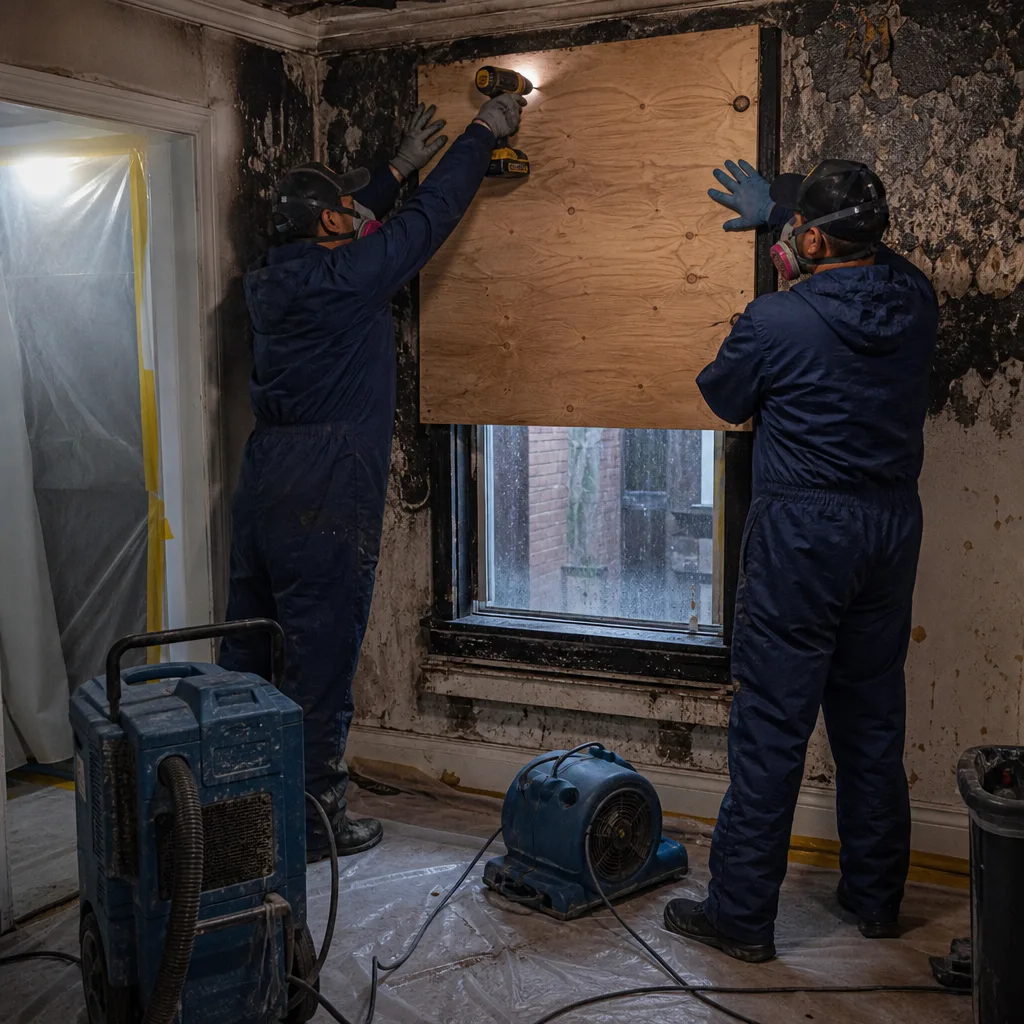
Toilet Overflow Cleanup
Toilet overflows range from a contained bowl release to a pressurized flush valve failure that sends raw sewage across bathroom tile and into adjacent rooms, especially common in Financial District’s converted office buildings where residential plumbing was retrofitted into commercial stack configurations. The distinction matters: a simple overflow may be Category 2 if caught immediately, but becomes Category 3 once it contacts porous flooring or sits longer than 24 hours. We test every surface with ATP luminometry to classify the contamination level in writing before demolition begins, so your documentation matches what the insurance adjuster expects to see.
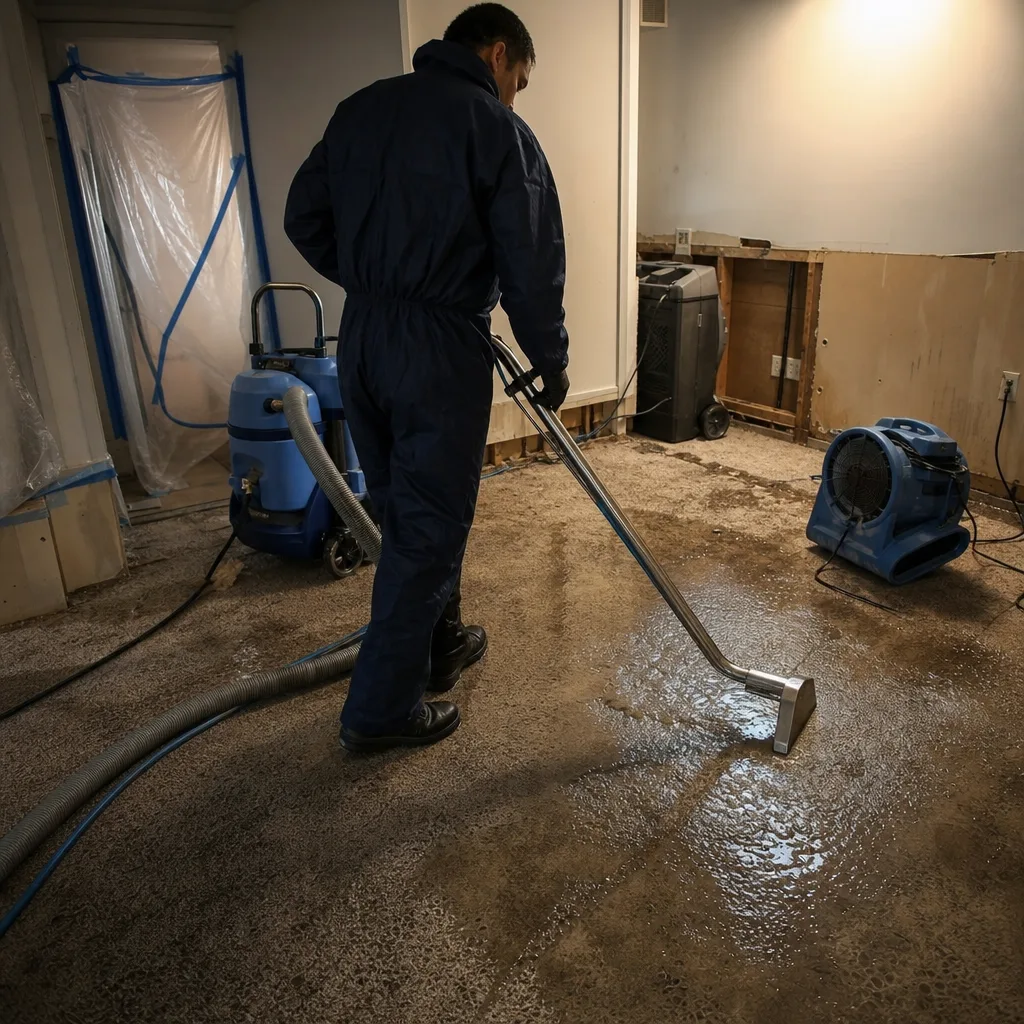
Septic Failure Cleanup
True septic failures are rare in Financial District proper, but we regularly handle them in the brownstone conversions and townhome associations of nearby Battery Park City and the South Street Seaport Historic District, as well as Sewage Cleanup in Union City, where properties maintain private waste systems. A septic failure presents as saturated drain fields, sewage surfacing in yards or basements, and persistent backups despite clear main lines. Our scope includes not just extraction and sanitization but coordination with your septic contractor to document the failure cause, which often determines whether your policy covers the loss under a sudden-and-accidental provision.
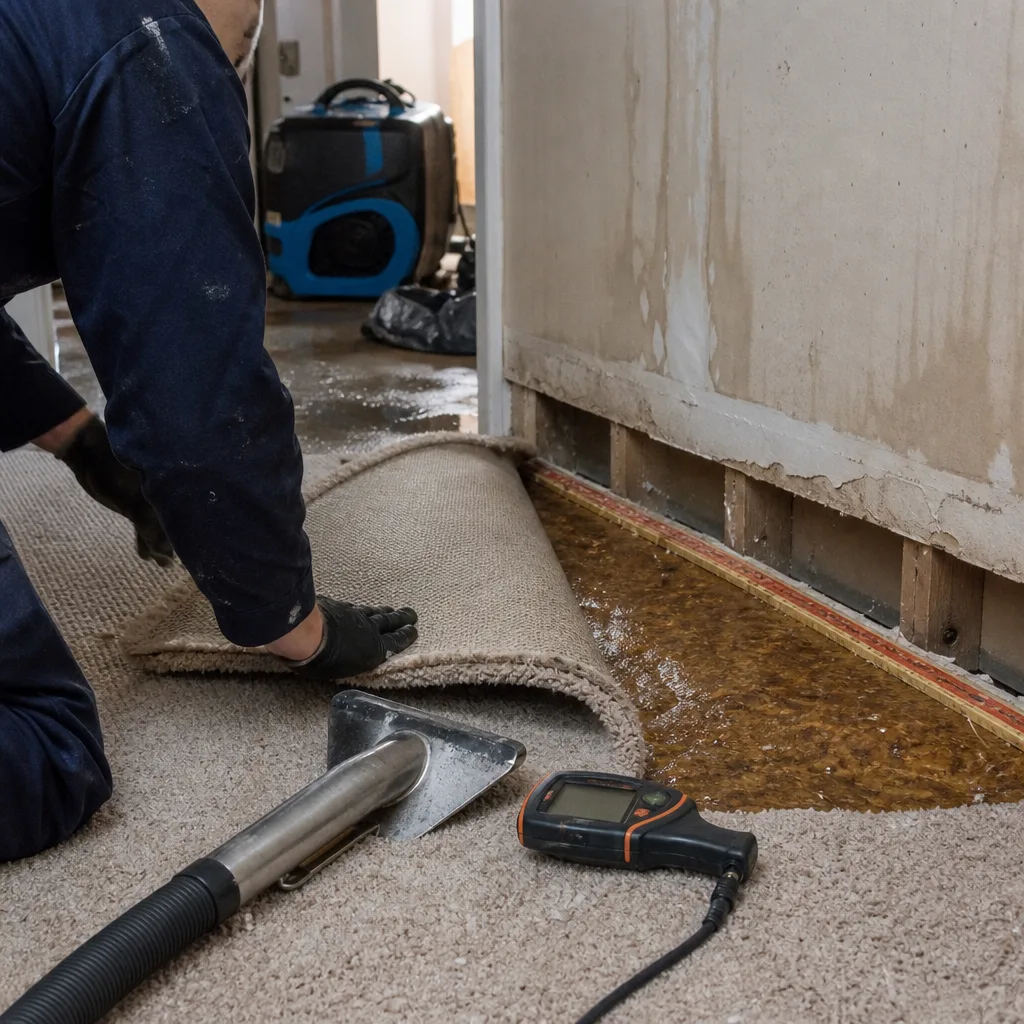
Black Water Extraction
Black water, or Category 3 water, contains pathogenic agents from sewage, rising flood water, or seawater intrusion, and in Financial District it commonly follows a combined sewer overflow event during coastal storms when the East River pushes back through storm drains. Extraction requires submersible pumps with sealed motors, not standard wet/dry equipment, and all wastewater must be contained for proper disposal per NYC DEP regulations. We log every gallon extracted, document the disposal manifest, and provide that record to your adjuster as part of our standard deliverable, not as an add-on fee.
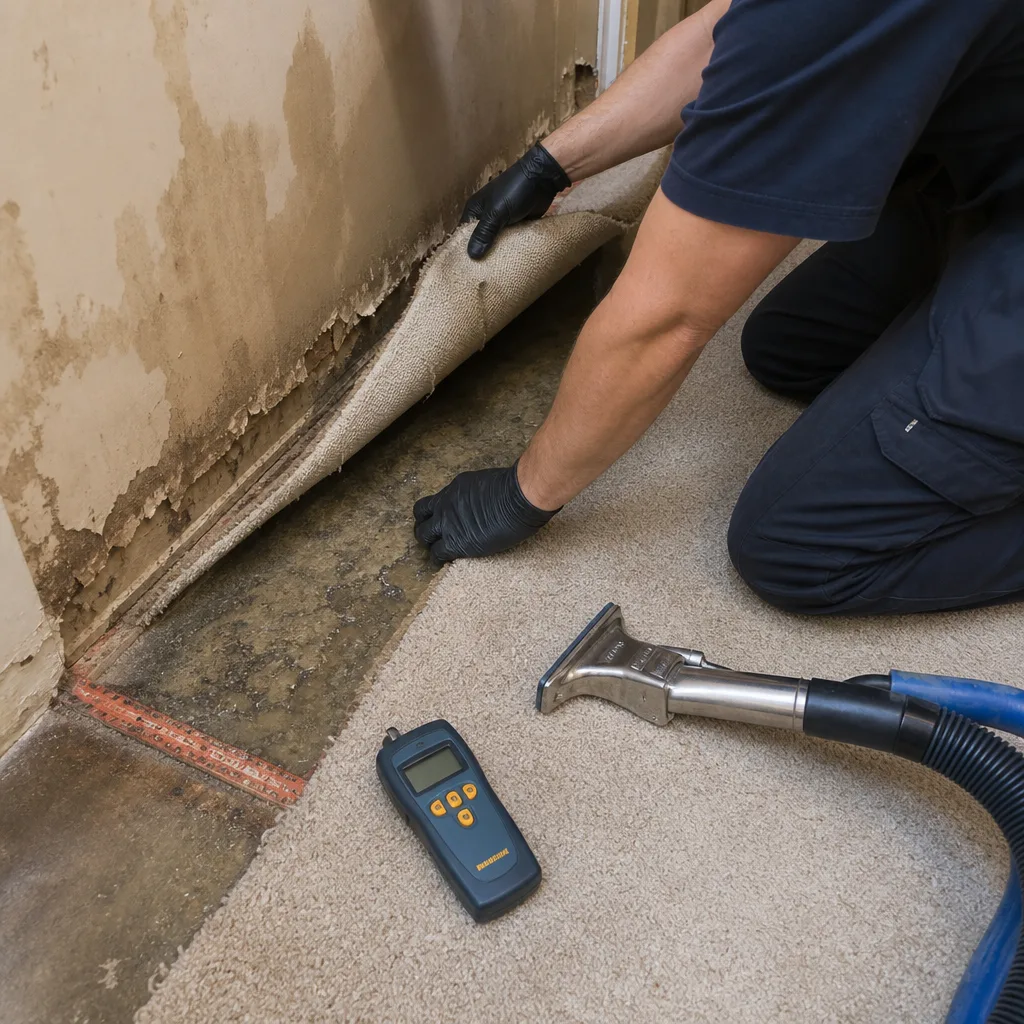
Sanitization & Disinfection
After extraction and controlled demolition, every affected surface receives antimicrobial treatment followed by verification testing. We apply EPA-registered disinfectants at the concentration and dwell time specified on the product label, not the abbreviated contact times that cut corners. Our verification includes ATP testing to confirm biological load reduction below 30 RLU (relative light units), the threshold we document to IICRC S500 standards. In Financial District co-ops, this test result often satisfies the building’s environmental consultant and prevents a costly re-cleaning cycle.
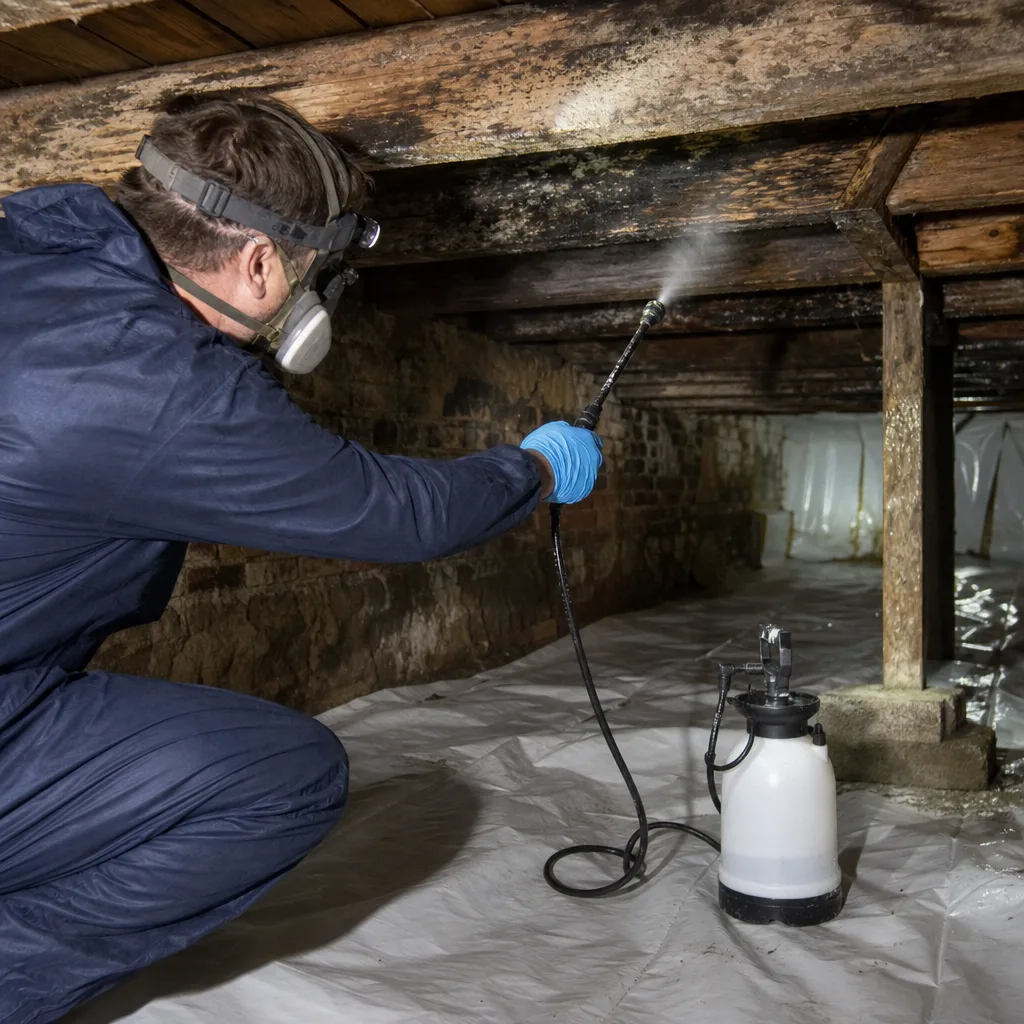
Crawl Space Sewage Removal
Crawl space sewage events occur in Financial District’s remaining low-rise structures, particularly the historic buildings along Stone Street and the converted mercantile properties near the South Street Seaport where access is limited to 18-36 inches of clearance. These spaces accumulate moisture that amplifies odor and promotes secondary mold growth within 48-72 hours. We deploy low-profile extraction equipment, negative air machines with HEPA filtration, and remote moisture sensors that transmit psychrometric data to our drying logs without requiring daily technician entry, which reduces labor cost and disruption to your business or residence.
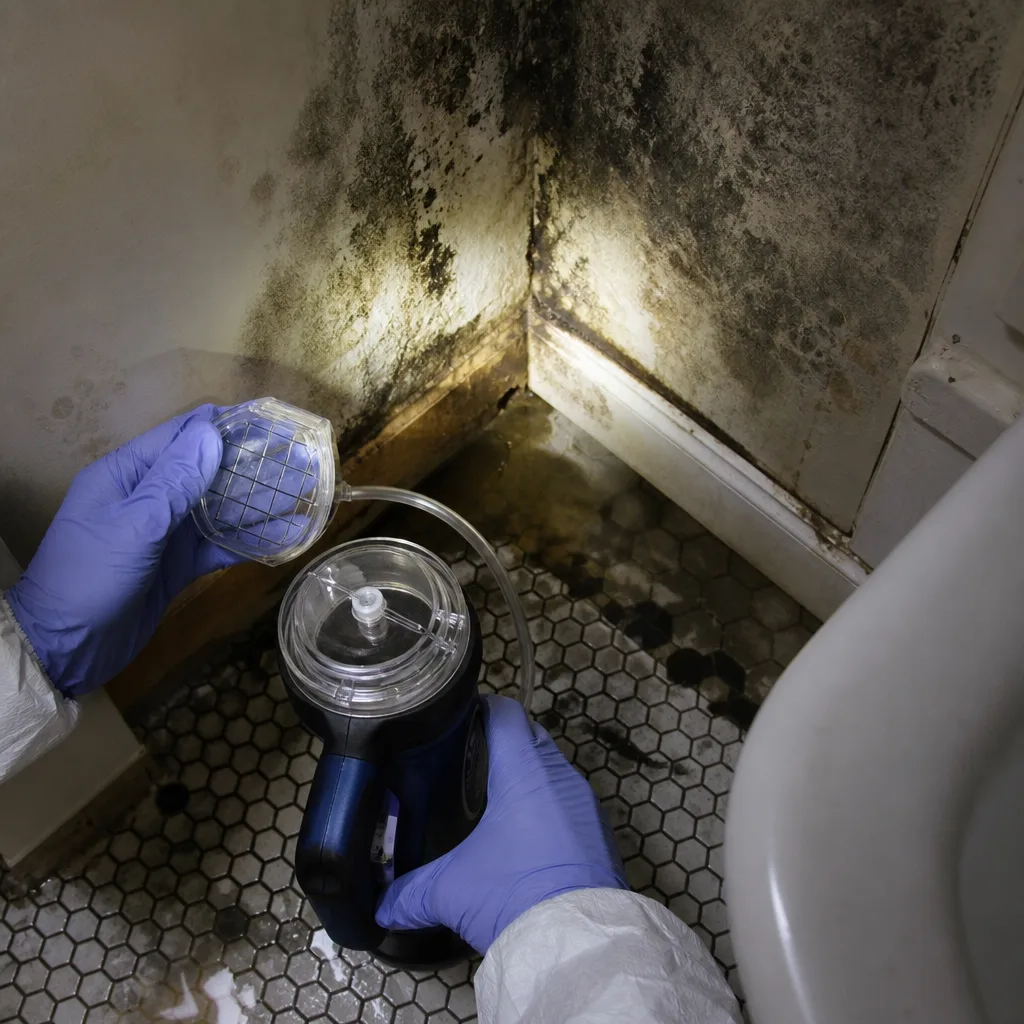
What happens when you call
- 1
A real person answersNo phone trees - you reach a local pro.
- 2
You get an upfront price rangeHonest numbers before anyone is dispatched.
- 3
A background-checked tech heads outLicensed & insured, dispatched right away.
- 4
You approve before work beginsNothing starts until you say go.
Brands We Service for Sewage Cleanup
We’ve serviced hundreds of Dri-Eaz and Phoenix dehumidification systems in Manhattan high-rises, including the LGR 7000XLi and 2800i models common in building engineer inventories throughout the Financial District. Our technicians carry OEM filters, condensate pumps, and replacement wheels for these units, which matters when a building’s own equipment fails mid-loss and the superintendent needs the restoration company’s gear to integrate seamlessly with the existing infrastructure.
Whether your property runs Dri-Eaz, Phoenix, or any other professional drying system, we can extract, document, and restore to pre-loss condition. Our home page lists our full service capabilities, and we maintain active relationships with XPOWER, B-Air, and Injectidry distributors for rapid equipment deployment when a large-loss event overwhelms standard inventory.
BeforeAfterSigns You Need Sewage Cleanup Right Now
- Multiple drains backing up simultaneously. When your toilet, shower, and sink all refuse to drain, the blockage is likely in your building’s main stack or the municipal sewer lateral, not a localized clog. This pattern indicates a Category 3 event in progress, and every minute of delay increases the square footage of contaminated material that must be removed and replaced.
- Gray or black water with visible solids. Water containing fecal matter, toilet paper fragments, or food waste from a garbage disposal backup carries pathogenic organisms including E. coli, Salmonella, and hepatitis A virus. In Financial District’s dense building environment, this contamination migrates horizontally through wall cavities faster than in suburban construction due to shared firestopping and utility chases.
- Sustained sewage odor after plunging or snaking. A temporary fix that leaves residual odor means organic material remains trapped in porous surfaces or within the drainage system itself. That residual bioburden will generate microbial volatile organic compounds (MVOCs) that degrade indoor air quality and trigger respiratory sensitivity in occupants, particularly in Financial District’s sealed high-rise environments where HVAC recirculation spreads contaminants floor-to-floor.
- Water stains appearing on ceilings below bathrooms. In stacked high-rise configurations common to Financial District, a sewage backup on an upper floor often manifests as discoloration in the unit below before the originating occupant notices a problem. If you’re the lower unit, you’re seeing someone else’s Category 3 water; if you’re the upper unit, your leak is creating a liability exposure that documentation can mitigate.
- Recent coastal flooding with sewer system surcharge. Financial District’s combined sewer system overflows during significant rain events, pushing raw sewage through floor drains and foundation cracks in buildings near the East River. Post-Hurricane Sandy, many buildings installed backflow preventers, but these devices can fail or be overwhelmed, and the resulting contamination requires professional classification and remediation to satisfy both insurance and regulatory requirements.
Our Sewage Cleanup Process - Step by Step
- 1
Emergency response and contamination classification. Our technician arrives with a written scope template, a digital camera, and calibrated moisture detection equipment. We classify the water category per IICRC S500 standards, photograph the loss perimeter, and deliver your written price before extraction begins, per Haven Standard, Clause 1. No work starts without your signature on that scope.
- 2
Containment and engineering controls. We establish negative air pressure in the affected area using HEPA-filtered air scrubbers, sealed with 6-mil polyethylene sheeting where required. This prevents cross-contamination to unaffected spaces, a critical control in Financial District’s compact floor plans where a studio apartment’s living and sleeping areas share HVAC zones.
- 3
Extraction and bulk material removal. Category 3 water demands removal of porous materials that cannot be restored in place: carpet and pad, baseboard, drywall to a minimum of 12 inches above the visible water line (often 24-48 inches in practice), and insulation that has contacted sewage. We inventory every removed item with photo documentation, which becomes your proof of loss for contents coverage.
- 4
Cleaning, disinfection, and verification testing. Structural materials receive antimicrobial application at labeled concentration, followed by mechanical cleaning and rinse extraction. We verify efficacy with ATP testing and document the RLU readings in your drying log. If readings exceed our internal threshold, we re-treat at no additional charge until the standard is met.
- 5
Drying, reconstruction scoping, and final documentation. We deploy professional-grade drying systems from Dri-Eaz and Phoenix, logging daily moisture readings until materials return to within 4 percentage points of dry standard. Your final deliverable includes the complete photo record, drying log with psychrometric data, disposal manifests, and a signed 365-Day Done Right Promise under The Haven Standard. If reconstruction is needed, we scope that separately with its own written price.
How Much Does Sewage Cleanup Cost in Financial District?
A typical Sewage Cleanup pricing in Financial District runs $3,500-$5,800 for a one-bedroom apartment with contamination limited to hard-surface flooring and baseboard removal. Where the backup reaches carpeted areas, wall cavities, or multiple rooms, costs extend to $6,500-$8,500 due to the additional demolition, disposal, and extended drying cycle. Crawl space sewage removal in low-rise Financial District buildings starts around $4,200 but can exceed $10,000 where access restrictions require specialized equipment and extended labor hours.
Several factors move the price within these ranges. First, the contamination category and spread: Category 3 water that has saturated for more than 24 hours requires more aggressive demolition than a fresh backup caught immediately. Second, building access and type: high-rise service elevators with restricted hours, co-op board notification requirements, and after-hours security protocols all add labor time that honest scopes account for upfront. Third, the presence of asbestos or lead-containing materials in pre-war Financial District construction triggers NYC DEP notification and abatement contractor coordination, which we identify during our initial assessment and include in your written price, not as a surprise addendum.
To avoid overpaying, demand a written scope that specifies line-item quantities: square feet of affected flooring, linear feet of baseboard, square feet of drywall removal, number of air scrubber days, and the per-unit pricing for each. Haven Standard, Clause 1 exists precisely because vague “time and materials” estimates in this trade routinely inflate 40-60% above initial quotes. Our written price is fixed; if we underestimated the scope, we absorb the difference, not you.
Every estimate we provide in Financial District is free and carries no obligation. We also offer a Free Second Opinion on any competitor’s written estimate, reviewing their scope for omitted line items, insufficient equipment allocation, or demolition quantities that don’t match the visible damage. Call (551) 212-1492 for your written price.
Sewage Cleanup Near Financial District - Our Service Area
DryMark Restoration Financial District dispatches crews throughout lower Manhattan and across the Hudson to Jersey City, Hoboken, and Union City. Typical response time to Battery Park City and the South Street Seaport is 45-60 minutes; to Brooklyn Heights, 60-75 minutes via the Brooklyn Bridge or Battery Tunnel depending on traffic; to Hoboken, 50-70 minutes including PATH coordination for buildings without truck access. We also regularly service Murray Hill, Midtown Manhattan, the Upper East Side, and Long Island City for clients who prefer our documentation standards across multiple properties. Our Sewage Cleanup in Financial District team maintains emergency equipment staging near the Brooklyn Bridge to minimize crossing delays during peak hours.
Serving Financial District, NY - Our Local Coverage Area
We’re based in the Financial District area and know this community well. Use the map below to see our service coverage - if you’re nearby, we can almost certainly help.
Frequently Asked Questions - Sewage Cleanup in Financial District
Sewage cleanup is the professional extraction, demolition, disinfection, and drying of spaces contaminated by Category 3 water containing pathogenic organisms from human or animal waste. It becomes necessary whenever wastewater backs up through drains, overflows from fixtures, or enters through foundation failures, because standard cleaning methods cannot safely eliminate the biological contamination or document the remediation to insurance standards. DryMark Restoration classifies every loss per IICRC S500 and delivers a written scope before any work begins.
A typical one-bedroom sewage backup in Financial District requires 3-5 days from extraction to dry standard, with reconstruction scoping occurring on day 4 or 5. Larger losses, those requiring asbestos abatement coordination, or co-op buildings with restricted work hours may extend to 7-10 days. We log daily moisture readings and provide a completion timeline in your written scope, updated if conditions change.
Hoboken Sewage Cleanup and nearby services show similar ranges, though residential sewage cleanup in Financial District ranges from $3,500 for contained backups to $8,500+ for multi-room losses with significant demolition. Most homeowners policies cover sudden and accidental sewage backups if you carry the endorsement, but exclude gradual sewer line deterioration or flooding from surface water. We document the cause, photograph the origin, and coordinate directly with your adjuster to establish coverage before work proceeds, so you’re not left with an uncovered invoice. Call (551) 212-1492 for a written price specific to your loss.
Yes, our technicians are trained on Dri-Eaz LGR dehumidifiers, Phoenix 200 MAX systems, and the full range of professional drying equipment common in Manhattan building inventories. We stock OEM filters and replacement components, and our deployed equipment is documented to IICRC, RIA, and IFA standards with daily moisture logs that satisfy insurer review.
Yes, a live person answers every call to (551) 212-1492, 24 hours a day, 7 days a week, with no voicemail trees or next-business-day callbacks. Our Financial District crews carry emergency equipment and can typically be on-site within 60-90 minutes of your call, because sewage contamination spreads continuously and documentation of the original condition degrades with every hour of delay.
Every sewage cleanup job carries our 365-Day Done Right Promise under The Haven Standard: if the drying standard is not met, if odor returns, or if any covered aspect of our work requires correction within one year, we return at no charge. This is a signed guarantee, not a verbal assurance, and it is stamped on every job file we open.
If safe to do so, shut off the water source to stop active flow, avoid the contaminated area to prevent pathogen exposure, and gather your insurance policy number and adjuster contact if available. Do not attempt to clean sewage yourself; improper handling can spread contamination and void coverage if the insurer determines the loss was aggravated by unqualified remediation. Our technician will photograph the original condition, test for electrical hazards, and establish containment before you re-enter the space.
Schedule Your Sewage Cleanup Service in Financial District Today
Call (551) 212-1492 now and a live person will answer, 24 hours a day, 7 days a week. We’ll dispatch a technician to your Financial District property, classify the contamination, photograph the loss, and deliver your written price before any work begins, guaranteed under Haven Standard, Clause 1. Estimates are free, second opinions on competitor quotes are free, and every job ends with a documented photo record and our signed 365-Day Done Right Promise.
Written by Alicia Brennan, Owner at DryMark Restoration, serving Financial District since 2011.