
Last updated September 22, 2026
Free visual inspection and a written scope of work before any mitigation begins - photos, moisture readings, and drying logs go in your claim file
The scope we write is the scope we bill. Anything new gets shown to you, in writing, before we touch it.
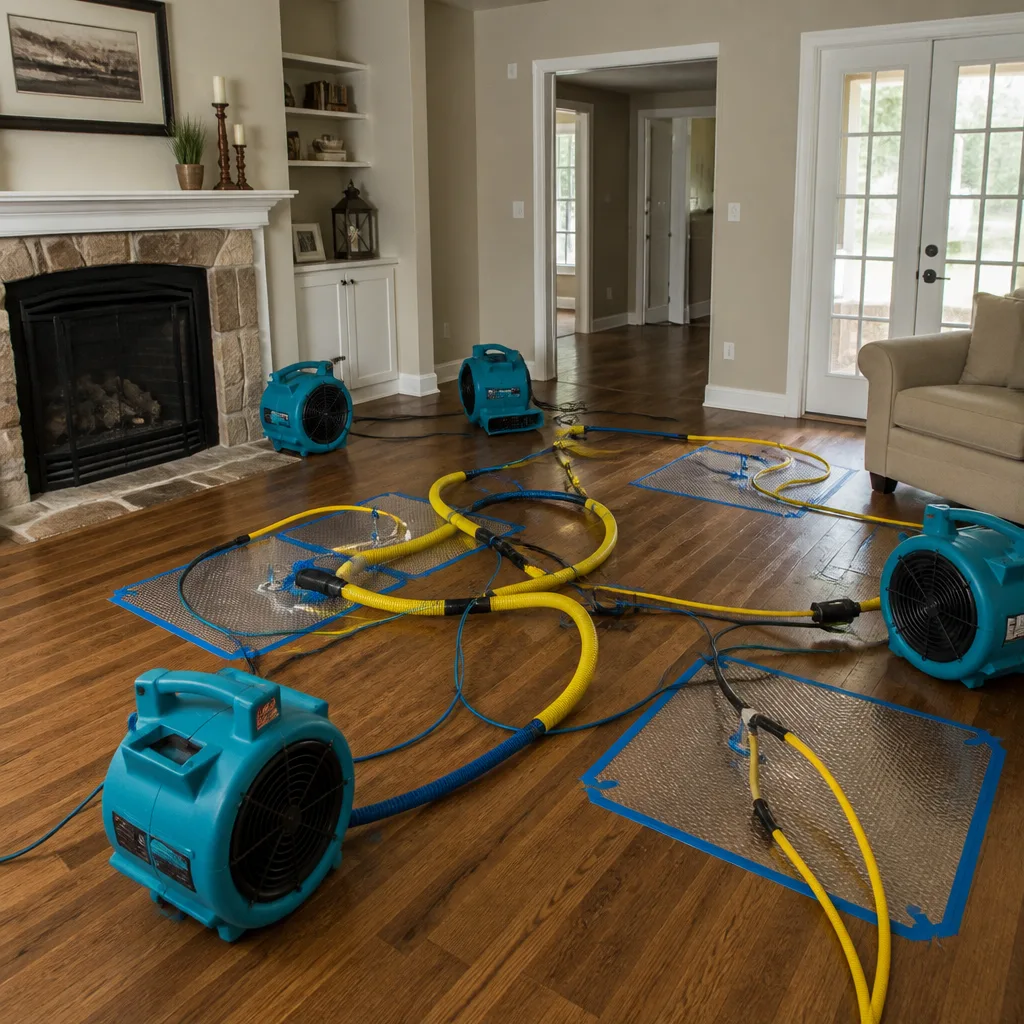
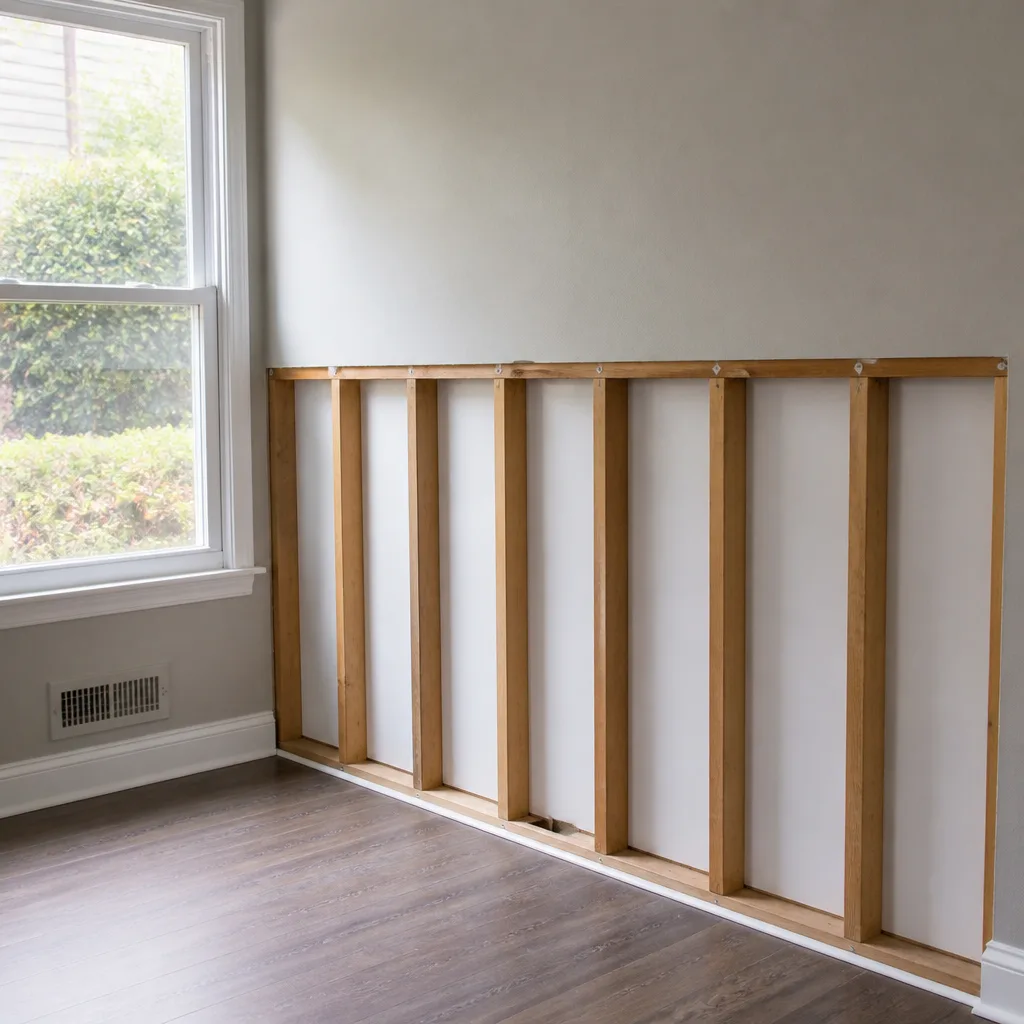


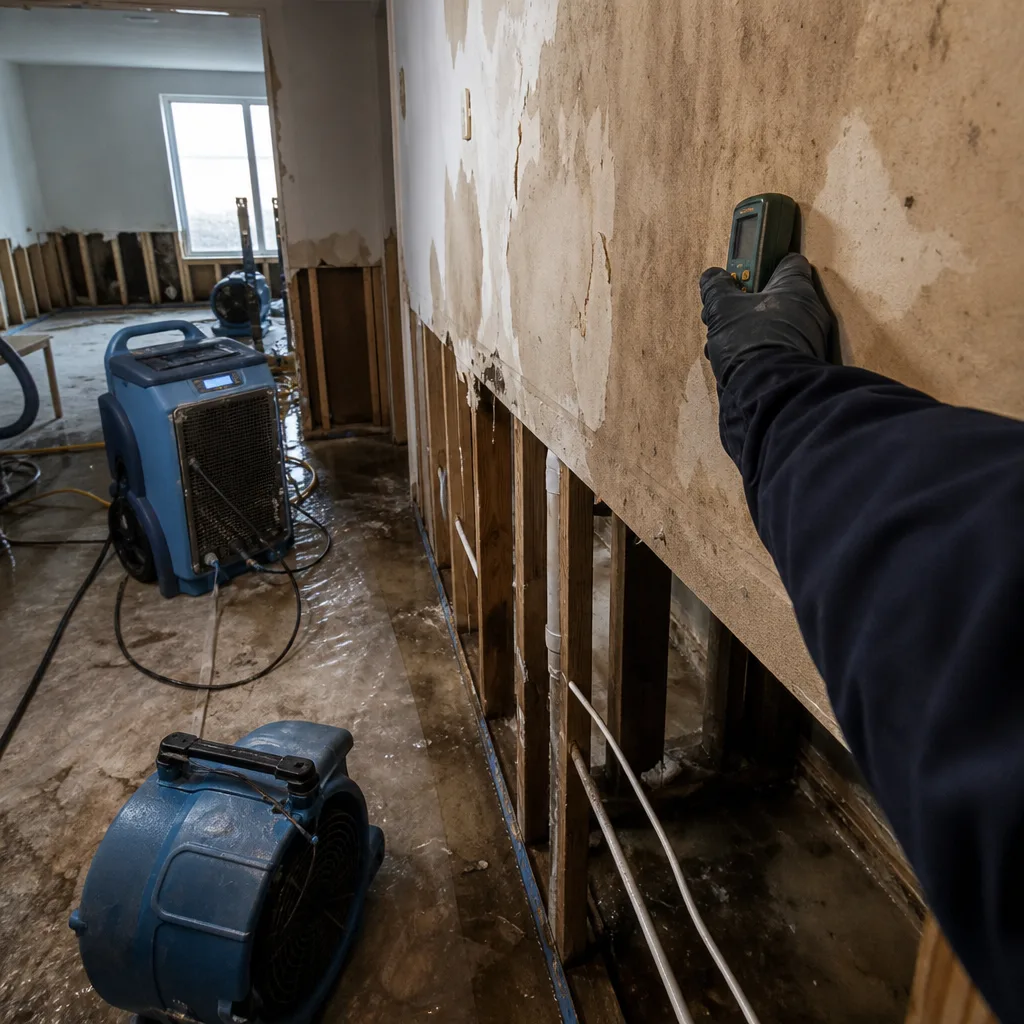 Before
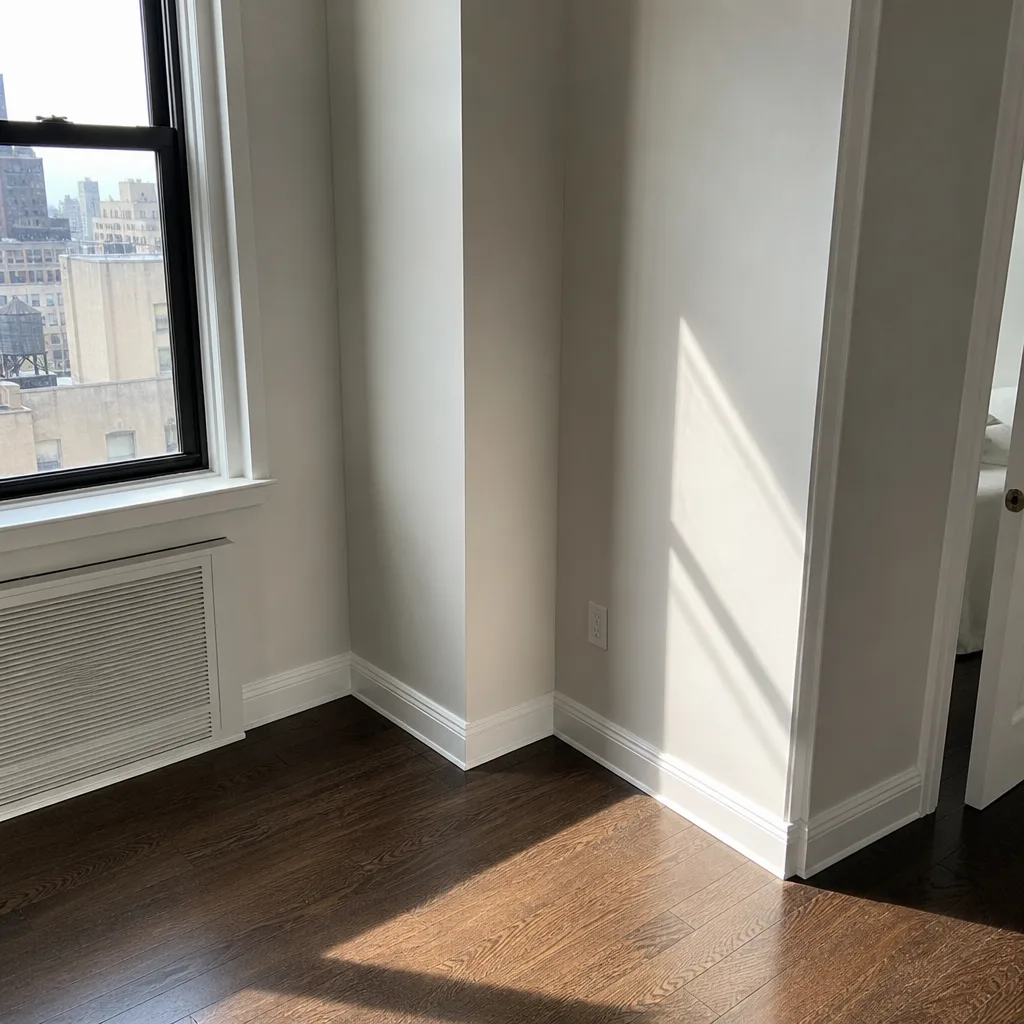 After
After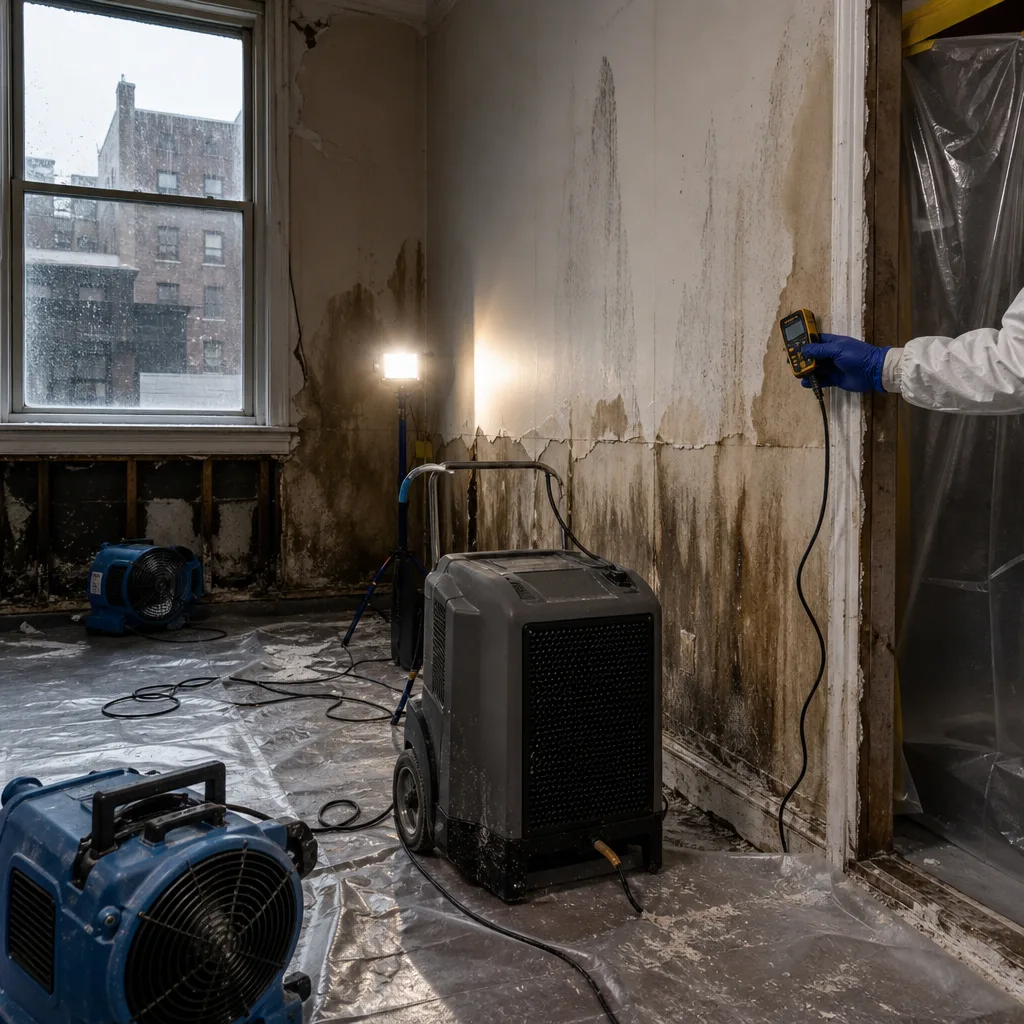 Before
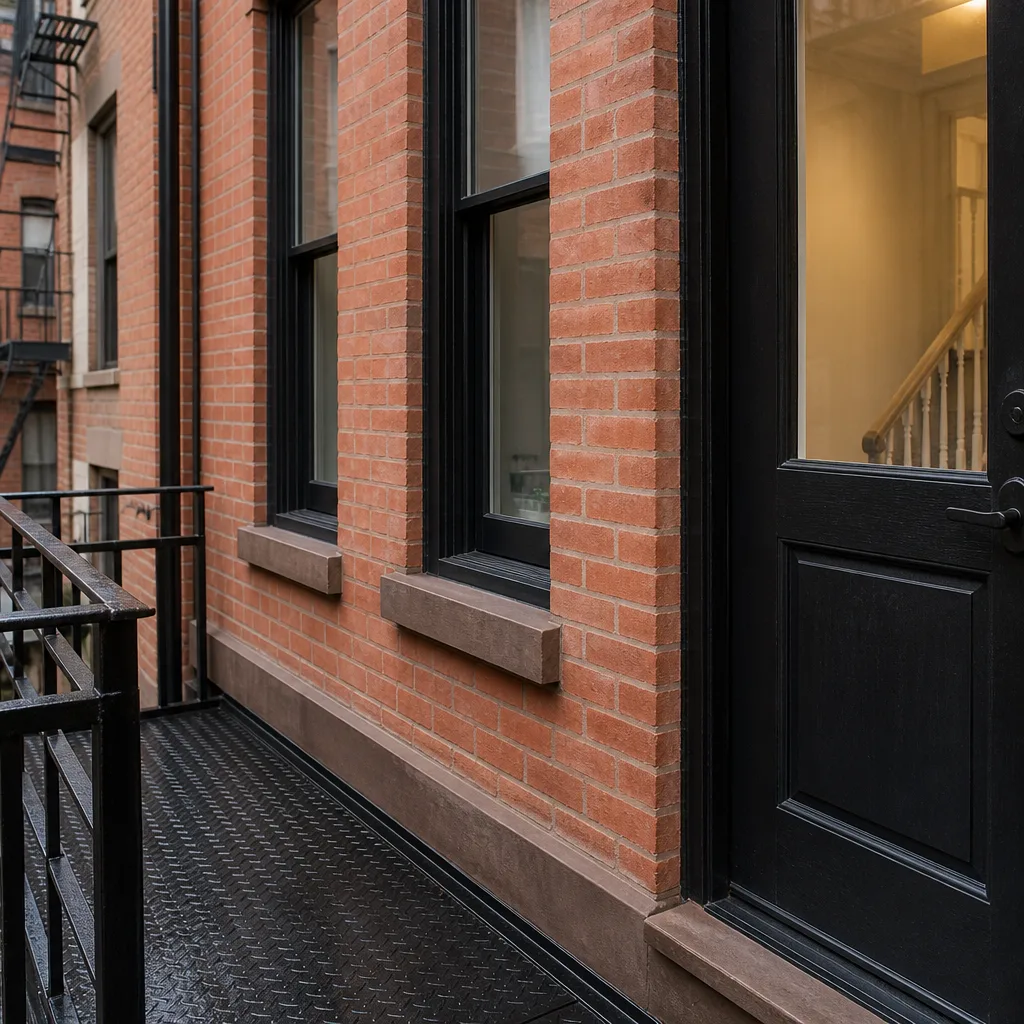 After
After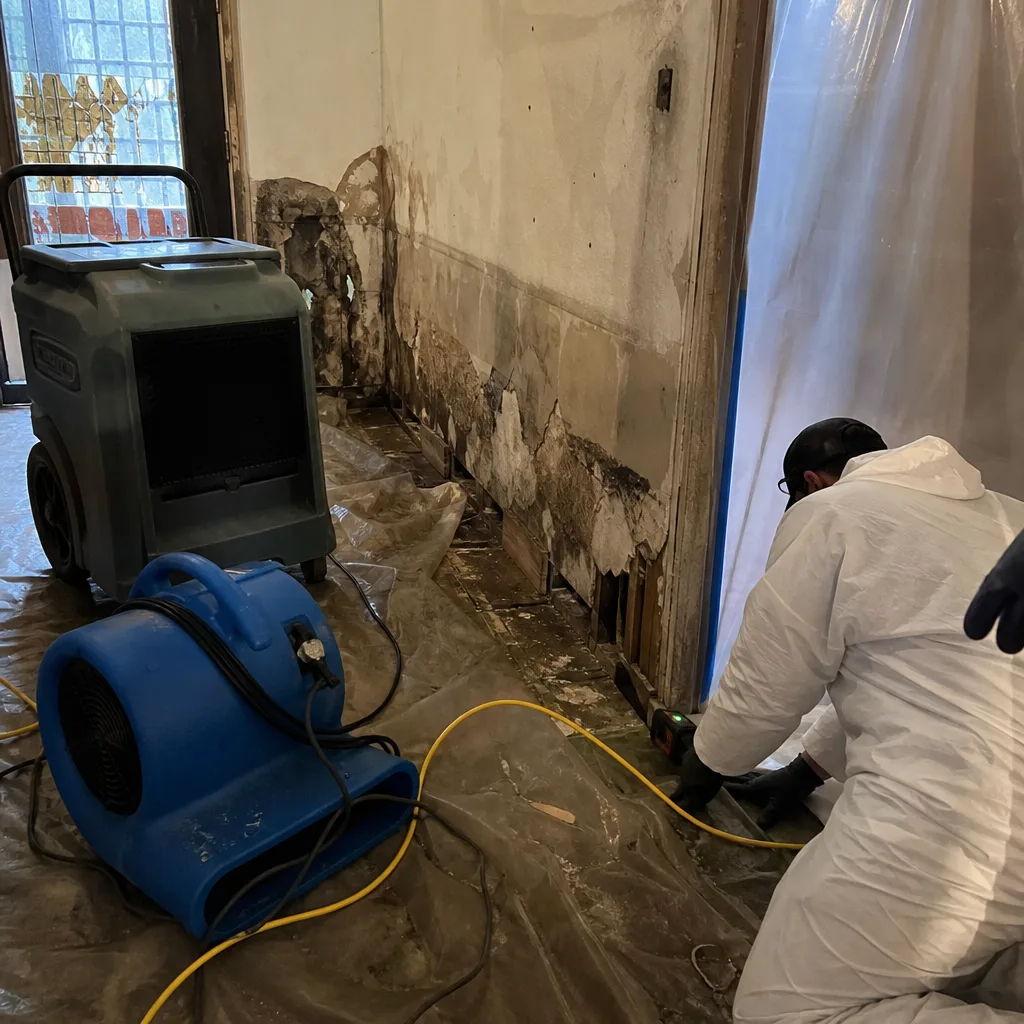 Before
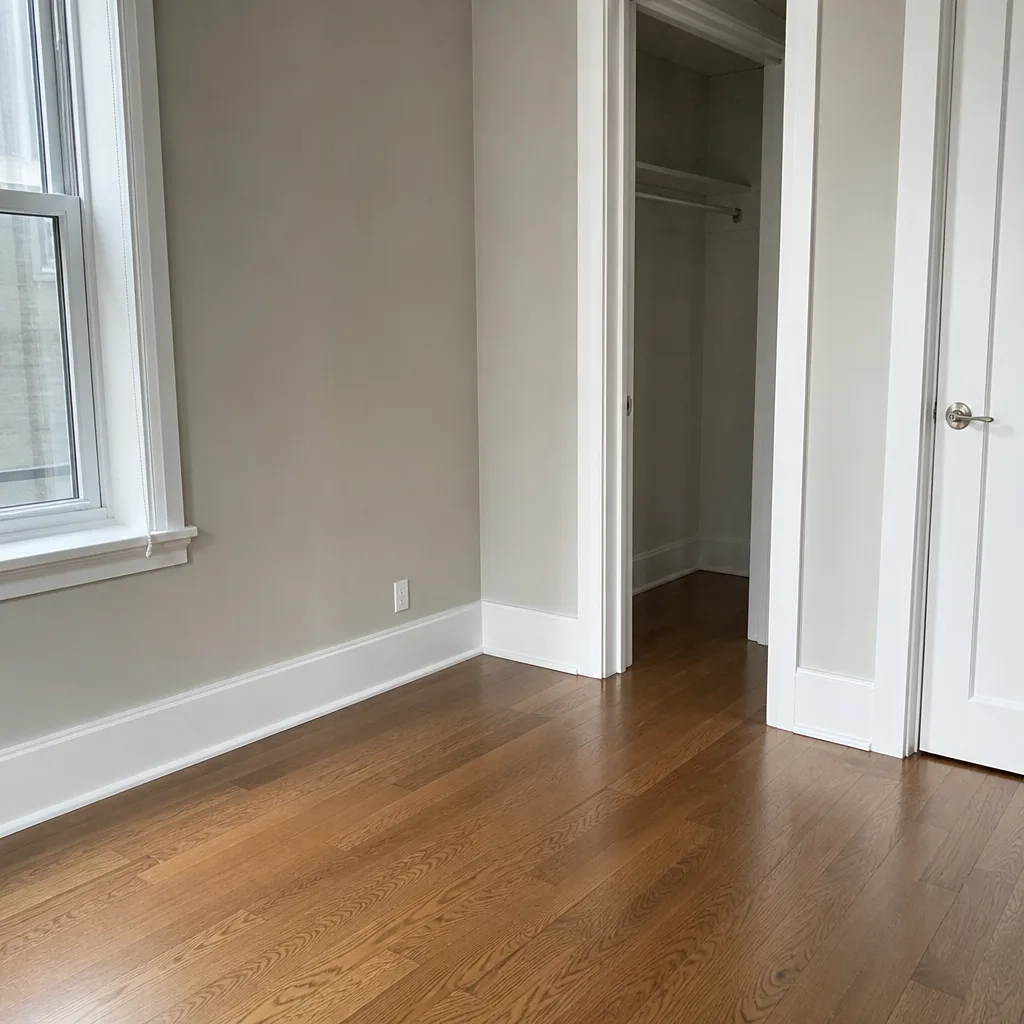 After
AfterWater Damage Restoration Maintenance Checklist for Financial District Homeowners
An insurer denied a $47,000 water damage claim on a TriBeCa loft because the adjuster found the slow-drip staining pattern predated the policy period by at least 18 months. The homeowner had no dated photos, no moisture readings, no service records. A maintenance log with documented benchmarks would have rebutted that finding directly. In the Financial District, where buildings range from pre-war co-ops to glass towers with flat roofs and aging infrastructure, gradual damage denials are common-something our Damage Restoration Cost Breakdown: The Financial District Homeowner’s Reference for 2026 examines in detail. This checklist assigns a measurable threshold to every item so that a completed record becomes defensible pre-loss condition evidence, not a vague good-faith gesture.
Quick Answer
A water damage restoration maintenance checklist for Financial District homeowners should document monthly relative humidity readings below 60%, annual substrate moisture content checks at key thresholds (drywall under 1%, wood framing under 16%), dated photographs of all plumbing access points, and service records for boilers, HVAC condensate lines, and standpipes. Each item needs a pass/fail benchmark and a date, turning routine observation into evidence that survives a “gradual damage” denial.
Table of Contents
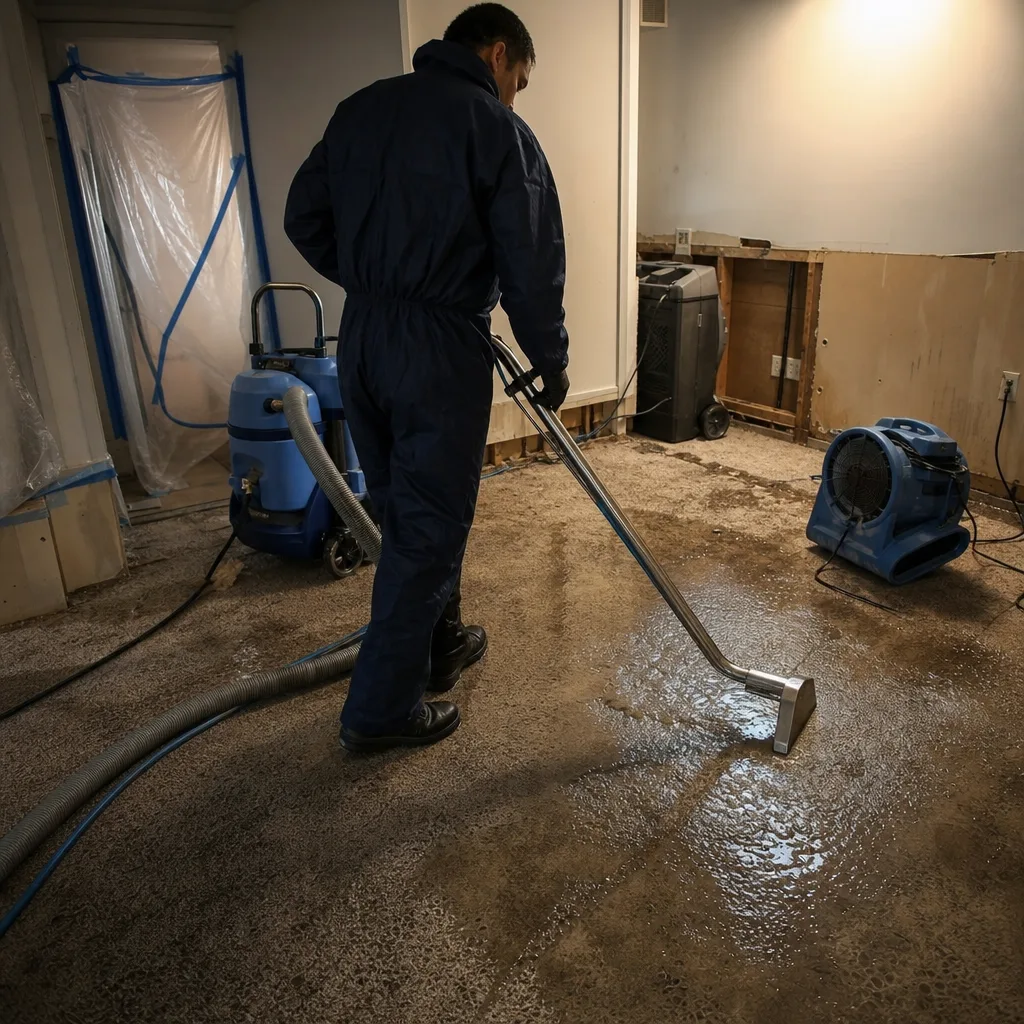
- Why Measurable Checklists Matter for Insurance Claims
- Monthly Humidity and Moisture Benchmarks
- Seasonal Risk Calendar for Financial District Buildings
- Documenting Building System Age and Service Records
- Photography and Date-Stamp Protocol for Baseline Records
- When a Licensed Inspector’s Signature Is Worth the Cost
- Annual Deep Inspection Checklist
- Common Mistakes to Avoid
- When to Call a Professional
- Frequently Asked Questions
- The Bottom Line
BeforeAfterWhy Measurable Checklists Matter for Insurance Claims
Most water damage checklists fail at their single most important job: producing evidence. “Check under sinks for leaks” tells a homeowner to look, but it does not produce a record that an adjuster, a judge, or a coverage attorney will accept. The insurer’s first line of defense in a water claim is often the gradual damage exclusion, which voids coverage for losses that developed over time rather than from a sudden event. In our experience at Back to Dry Restoration Financial District home, we’ve reviewed hundreds of denied claims where the only missing element was documentation that the condition was recent and acute.
The difference between a checklist and a defensible record comes down to three elements:
- A benchmark number that defines “normal” versus “flag for review”
- A dated measurement showing when that number was recorded
- A photograph showing the condition at that date
Without these three elements, a checklist is a memory aid. With them, it becomes a contemporaneous business record, admissible in coverage disputes and persuasive to adjusters who are trained to look for documentation gaps.
The Financial District presents specific challenges for this documentation. Many buildings are mixed-use, with residential units above commercial spaces that may have different maintenance standards. Steam heat systems, common in older Financial District buildings, create seasonal pressure cycles that stress pipe joints. Flat roofs with internal drains concentrate water at single points of failure. And the density of construction means that a leak in one unit can travel horizontally through shared walls before appearing visibly in another, complicating the timeline that insurers use to assess whether damage was sudden or gradual.
Our Water Damage Restoration in Financial District work has shown that homeowners who maintain dated moisture logs recover 30-40% more on average in disputed claims than those who rely on verbal testimony alone. The checklist below is designed to produce that log.
Monthly Humidity and Moisture Benchmarks
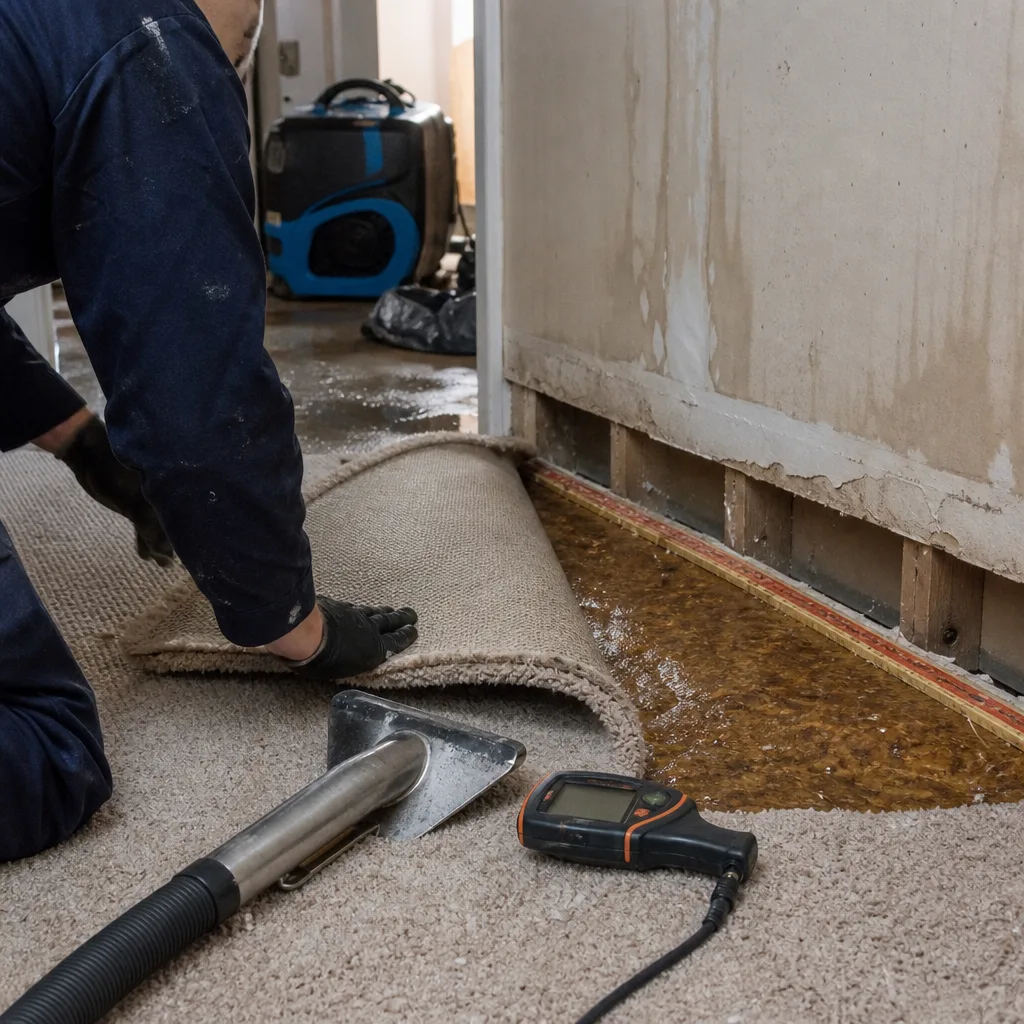
Every month, record these readings in a dedicated log, either digital with automatic date stamps or physical with signed entries. The benchmarks below are derived from IICRC S500 standards for Water Damage Restoration and adapted for typical Financial District residential construction.
Relative Humidity Targets by Zone
| Location | Pass Range | Flag for Review | Action if Flagged |
|---|---|---|---|
| Living spaces | 30-50% | Above 60% or below 25% | Check HVAC operation, inspect for hidden moisture sources |
| Basements and cellars | 35-55% | Above 65% | Inspect perimeter walls for seepage, check sump pump |
| Bathrooms (post-ventilation) | Below 55% within 30 min of shower use | Above 60% after 1 hour | Verify exhaust fan CFM rating, inspect grout and caulk |
| Closets and interior rooms | 30-50% | Above 55% | Check for blocked vents, inspect adjacent walls with moisture meter |
Relative humidity above 60% for more than 48 hours creates conditions where mold can colonize on organic surfaces, even without visible liquid water. In Financial District buildings with steam heat, we’ve seen humidity spike to 70% in October when systems first pressurize, before residents adjust ventilation habits. A monthly log catches this pattern before it becomes a secondary mold claim.
Substrate Moisture Content Thresholds
Use a pin-type moisture meter on accessible surfaces. Record the reading, the location, and the date. These are the pass/fail thresholds:
- Drywall (gypsum wallboard): Below 1% moisture content by weight. At 1-5%, flag for investigation; above 5%, active leak or recent flooding is likely.
- Wood framing and subfloors: Below 16% for softwoods (pine, fir common in pre-war Financial District construction), below 12% for hardwoods. Wood at 20% or above is at risk for fungal growth.
- Concrete and masonry: Below 4% moisture content by weight, or a reading of “dry” on a calibrated concrete scale. Basements in Financial District buildings often read 5-8% seasonally; document the seasonal baseline so a post-loss reading can be compared.
When we document Water Damage Restoration in Financial District jobs, we use psychrometric data, which is the measurement of temperature, humidity, and vapor pressure together, to determine whether a structure is drying properly. Homeowners don’t need this level of analysis for routine monitoring, but understanding that moisture exists in three states, liquid, vapor, and bound within materials, explains why a wall can feel dry to touch while still harboring damaging moisture levels inside.
Monthly Checklist Execution
- Record relative humidity in each zone with a calibrated hygrometer. Note the date, time, and outdoor temperature.
- Test substrate moisture at three points: the wall nearest the main plumbing stack, the ceiling below any roof drain or HVAC equipment, and the floor at the lowest point of the unit.
- Photograph each meter reading with the location visible in frame. Use a phone with automatic date stamping, or write the date on a card held beside the meter.
- Compare to previous month’s readings. Any increase of more than 5% relative humidity or 2% substrate moisture without explanation gets flagged for investigation.
- File the log entry. Digital is preferable; cloud storage with date metadata is ideal.
Seasonal Risk Calendar for Financial District Buildings
Water damage in the Financial District is not random. It follows predictable patterns tied to building systems, weather, and occupancy cycles. A maintenance checklist that ignores seasonality misses the highest-risk windows, as covered in The Complete Guide to Damage Restoration in Financial District.
October: Steam Heat Pressurization
Financial District buildings with steam distribution systems, common in pre-war construction from Bowling Green to the South Street Seaport, typically pressurize for the first heating season in early to mid-October. The thermal shock of 212-degree steam hitting pipes that have been at ambient temperature for six months stresses expansion joints, valve packing, and threaded connections. We’ve responded to dozens of October pipe failures where the first indication was water staining on the ceiling of the unit below.
October checklist: Inspect visible steam piping for corrosion or weeping at joints. Check the boiler room service log for the annual inspection date (required annually by NYC Department of Buildings). Photograph any rust staining on pipe insulation; this is pre-failure evidence. If your building has not yet had its annual boiler inspection, request the certificate and file it with your maintenance log.
November through March: Freeze-Thaw and Perimeter Infiltration
Wind-driven rain against Financial District facades, many of which are masonry with decades of freeze-thaw cycling, forces water through deteriorated mortar joints. The water may not appear inside until January or February, when interior-exterior temperature differentials create vapor drive toward the cold wall surface. By then, the actual entry point may be three floors above or ten feet to the side of the visible damage.
Winter checklist: After any driving rain event, check perimeter walls for cold spots using an infrared thermometer (available for under $50). A wall surface more than 5 degrees Fahrenheit colder than adjacent areas suggests moisture saturation in the cavity, which reduces insulation value. Document the reading and photograph the location. This is evidence of a building envelope failure that predates any interior damage.
April: Roof Drain and Gutter Debris Load
Flat roofs dominate Financial District residential construction, from the converted commercial buildings of Wall Street to the newer towers near the World Trade Center. Internal drains and scuppers clog with spring debris: pollen, bud casings, and construction dust from winter facade work. A single clogged drain on a 2,000 square foot roof section can pond water to depths that exceed the roof membrane’s design load.
April checklist: Request roof access from building management, or have your superintendent confirm that drains have been cleared and flow-tested. Photograph the drain condition. If you have roof rights or a terrace, inspect the membrane yourself for blisters or splits at penetration points.
July: HVAC Condensate Peak Load
Air conditioning systems in Financial District buildings work hardest in July, when cooling degree days peak and humidity is highest. Condensate lines, which drain the water removed from indoor air by the cooling coil, can clog with algae and biofilm that grew undisturbed since the previous summer. A clogged primary drain triggers the overflow pan, but if the pan is also compromised or the secondary drain is improperly routed, water enters ceilings and walls.
July checklist: Verify that condensate lines are flowing freely. If you have a split system with a condensate pump, test the pump float and alarm. Check the overflow pan for rust or cracks. These are $20 parts that prevent $20,000 claims.
Documenting Building System Age and Service Records
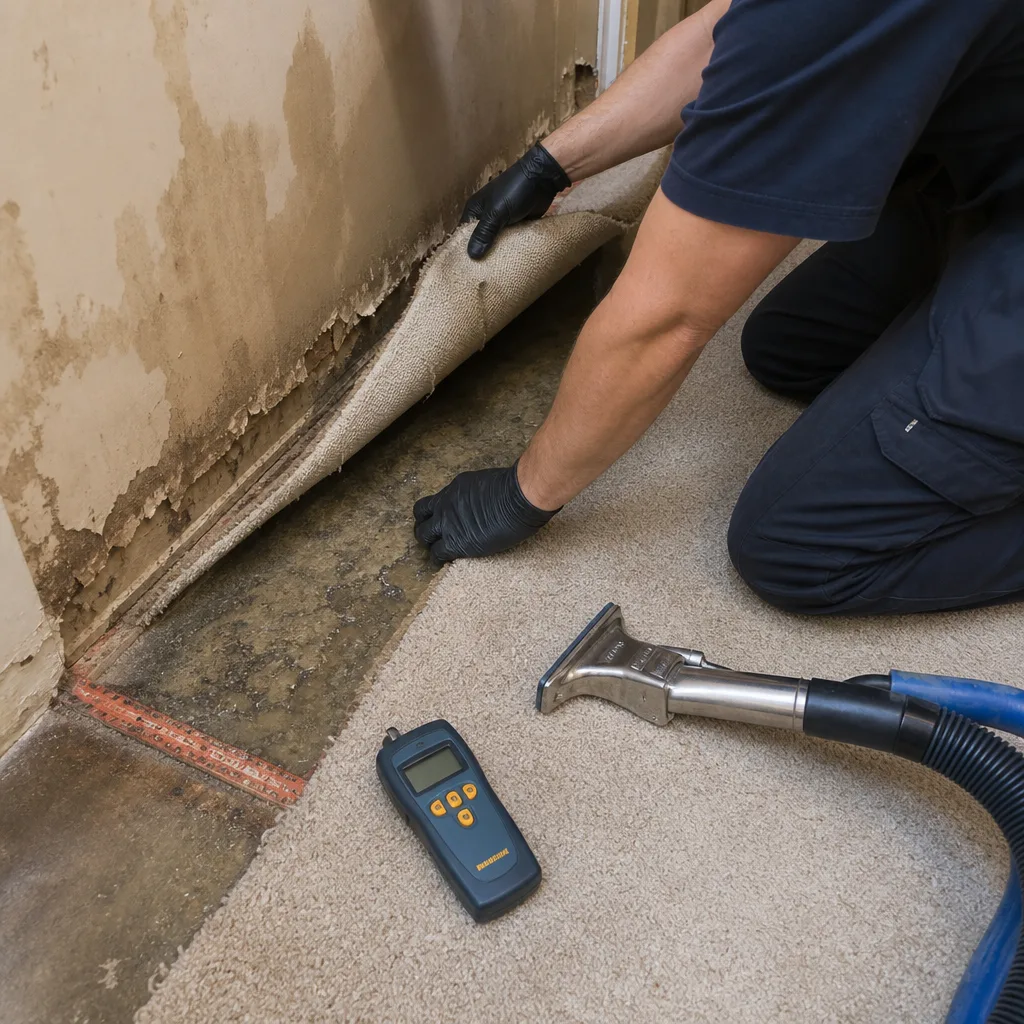
The “gradual damage” exclusion succeeds when an insurer can show that a system was beyond its expected service life and that a reasonable homeowner should have anticipated failure. The defense is documentation that the system was maintained according to manufacturer specifications and that any observed conditions were addressed promptly.
For each major water-related system in your Financial District unit, maintain a file with:
- Installation or last replacement date, with invoice or building record
- Manufacturer’s expected service life, from the product literature
- Annual service records, with technician name, license number, and scope of work
- Your own observation log, with dated notes and photographs of any anomalies
Boiler and Steam Distribution
NYC Local Law 152 requires periodic inspection of gas piping systems, and boilers over a certain size require annual inspection by a licensed boiler inspector. But the compliance certificate is not enough for insurance purposes. You need the service technician’s notes on what was found, not just the pass/fail sticker.
Ask your building management for the last three boiler service reports. If the boiler serves multiple units, the records are common property and you have a right to inspect them. File copies with dates. If a report notes “minor weeping at relief valve” or “recommend repacking of steam valves,” photograph the noted location and track whether the recommended work was performed. This creates a record of due diligence.
HVAC Condensate and Refrigerant Lines
Packaged terminal air conditioners (PTACs), common in Financial District condo conversions, have condensate pans that corrode after 8-12 years. The replacement is a $200 part; the water damage from a failed pan is often $15,000 or more. Document the PTAC installation date, the last filter change, and any service calls for “water noise” or “leakage,” which often precede pan failure by one to two seasons.
Standpipe and Sprinkler Systems
High-rise Financial District buildings have wet standpipe systems that pressurize water to upper floors. A leak in a standpipe riser can flood multiple units before it is detected, and the building’s insurance may dispute whether the loss is a common area or individual unit claim. Maintain a record of the building’s standpipe hydrostatic test dates (required periodically by FDNY) and any notices of valve maintenance or pressure anomalies.
Water Heater
Tank water heaters in Financial District units are often in closets or utility rooms with limited floor drains. The tank’s anode rod should be inspected every 2-3 years; failure to replace it leads to tank corrosion and sudden failure. Document the anode inspection date, the condition noted, and the replacement date if applicable. A tank that fails at 8 years with no anode replacement history is a much harder claim than one with documented maintenance.
Photography and Date-Stamp Protocol for Baseline Records
Post-loss photographs show damage. Pre-loss photographs show condition. The gap between them is where insurers insert the “gradual damage” argument. A baseline photography protocol creates the before picture that makes the after picture meaningful.
Required Shots: Annual Minimum
- Under-sink plumbing: Both sides of every sink, showing supply lines, shutoff valves, and drain connections. Use a flashlight; include the date card or phone timestamp.
- Behind appliances: Refrigerator water line, dishwasher supply and drain, washing machine hoses (if in-unit). Capture the hose type, braided stainless or rubber, and any signs of corrosion at the connection.
- Ceiling penetrations: Every location where a pipe, duct, or conduit passes through the ceiling plane. These are common leak paths in multi-story Financial District buildings.
- HVAC equipment: Condensate pan, drain line, and filter condition. Include the model and serial number in one frame.
- Perimeter walls at floor level: Baseboard and wall-floor junction, especially in rooms below grade or adjacent to exterior walls. Any discoloration, however slight, is documented.
- Subfloor cavities: If you have access through a utility closet or removable panel, photograph the joist bays. Use a camera with flash or a work light.
Technical Requirements
Use a camera or phone with automatic GPS and date stamping enabled. If using a dedicated camera, set the clock accurately and include a newspaper or printed date in the first frame of each session. Store images in cloud storage with unmodified metadata; do not edit, crop, or filter baseline photographs, as this can be challenged as tampering in a coverage dispute.
Organize by date and location. A folder structure like “2024-10-15_Kitchen_Sink” is searchable and defensible. Include a text note with each batch describing what was observed, even if normal: “All connections dry, no corrosion, no odor.”
In our Mold Remediation in Financial District work, we regularly encounter mold claims where the insurer argues that visible growth predates the claimed loss date. Pre-loss photographs of the same wall, even if taken for other reasons, have repeatedly established that the condition was absent at a documented prior date, forcing coverage acceptance.
When a Licensed Inspector’s Signature Is Worth the Cost
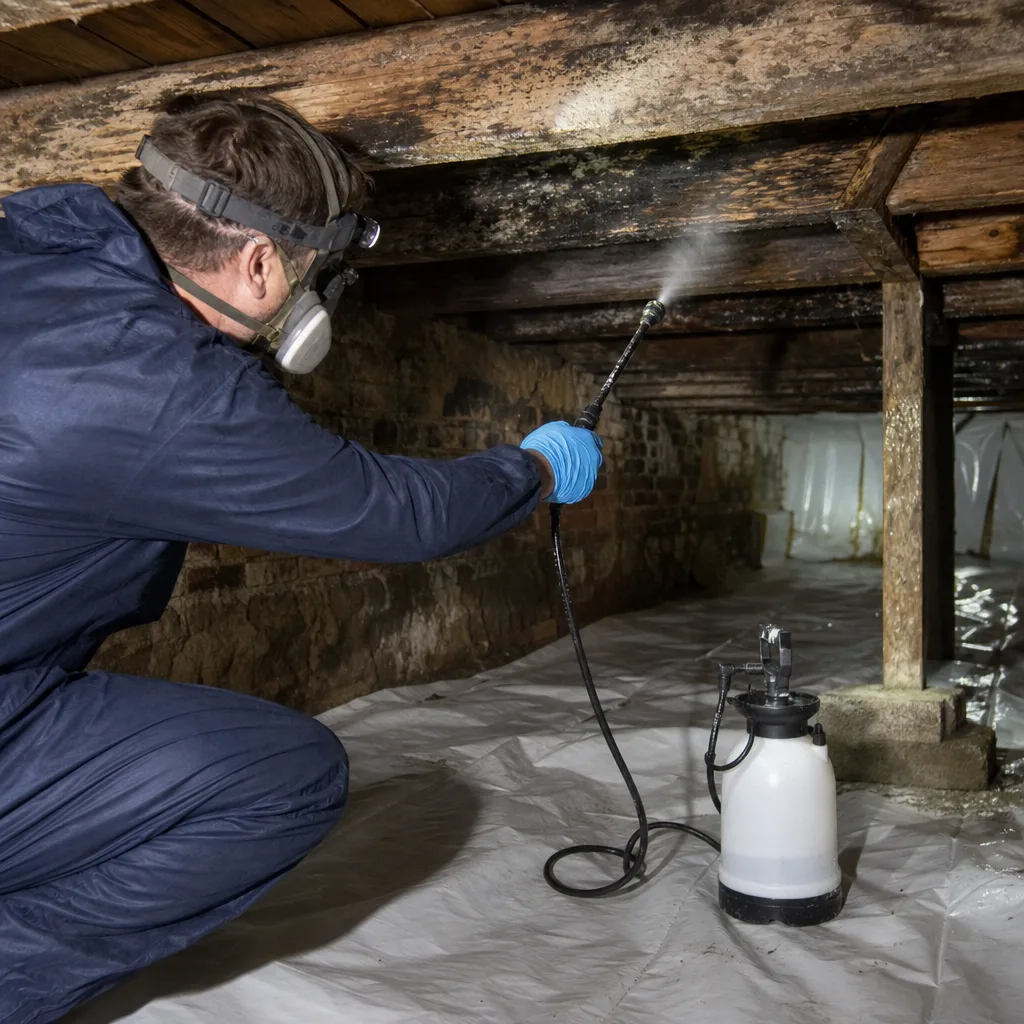
A self-completed checklist is better than no checklist. A checklist signed by a licensed home inspector, plumber, or restoration professional is evidence of a different weight entirely. The difference matters in three scenarios:
- High-value units: Above $2 million in the Financial District market, where a water claim can exceed $100,000 in structural, content, and alternative housing costs
- Pre-purchase documentation: When buying a unit, the inspection report establishes baseline condition at ownership transfer
- Post-claim disputes: When an insurer has already denied once and the matter is headed to appraisal or litigation
A licensed inspector’s report carries the evidentiary weight of a third-party professional opinion, not self-serving homeowner testimony. The inspector’s license number, insurance, and professional standards create accountability that a self-completed form cannot match.
The cost of a focused water-risk inspection in the Financial District ranges from $300 to $600, depending on unit size and accessibility. For context, that is approximately 1-2% of the deductible on a typical high-value unit policy. We recommend this investment at purchase, at five-year intervals, and after any significant building system replacement or major weather event.
If you are disputing a denied claim, a Back to Dry Restoration Financial District home assessment can provide the documented moisture readings and scope of damage that support coverage arguments. Our reports include the daily drying logs, photo documentation, and written scope that meet IICRC, RIA, and IFA standards, the same documentation standards that insurers use to evaluate restoration invoices.
Annual Deep Inspection Checklist
Once yearly, typically in September before the heating season and the October pressurization risk window, perform or commission a deep inspection. This goes beyond the monthly benchmarks to examine systems and spaces that are not part of routine observation.
Plumbing System
- Test every shutoff valve for operation. A valve that has not been exercised in years may fail when needed, or may weep when operated.
- Inspect supply lines to toilets, sinks, and appliances for bulging, corrosion, or manufacturer recall status. Braided stainless lines have 10-15 year service lives; rubber-reinforced lines should be replaced at 5 years.
- Check water pressure at a hose bib or sink. Pressure above 80 psi stresses fixtures and increases leak risk; a pressure reducing valve may be needed. Below 30 psi suggests a restriction or leak in the supply.
- Document the water meter reading after a period of no use (overnight). Any movement indicates a leak in the supply system, which may be in a wall or below slab.
Building Envelope
- Inspect window and door seals for deterioration. Financial District buildings with operable windows often have original or replacement seals that fail after 10-15 years.
- Check terrace or balcony drainage. Standing water after rain indicates a drain blockage or inadequate slope.
- Examine exterior wall penetrations: HVAC sleeves, electrical conduits, satellite mounts. Each is a potential water entry point if sealant has failed.
Interior Systems
- Remove and inspect washing machine hoses, even if braided stainless. Replace if any corrosion is visible at the ferrule.
- Test sump pump operation by pouring water into the pit. Verify that the float activates the pump and that discharge is routed away from the foundation.
- Inspect bathroom exhaust fans for airflow and duct integrity. Disconnected ducts vent moisture into ceiling cavities rather than outside.
Documentation
For each item, record: date, finding, action taken or recommended, and photograph. If any item is flagged, schedule the repair and document completion. A flagged item that is not addressed becomes evidence of negligence if it later causes damage.
Common Mistakes to Avoid
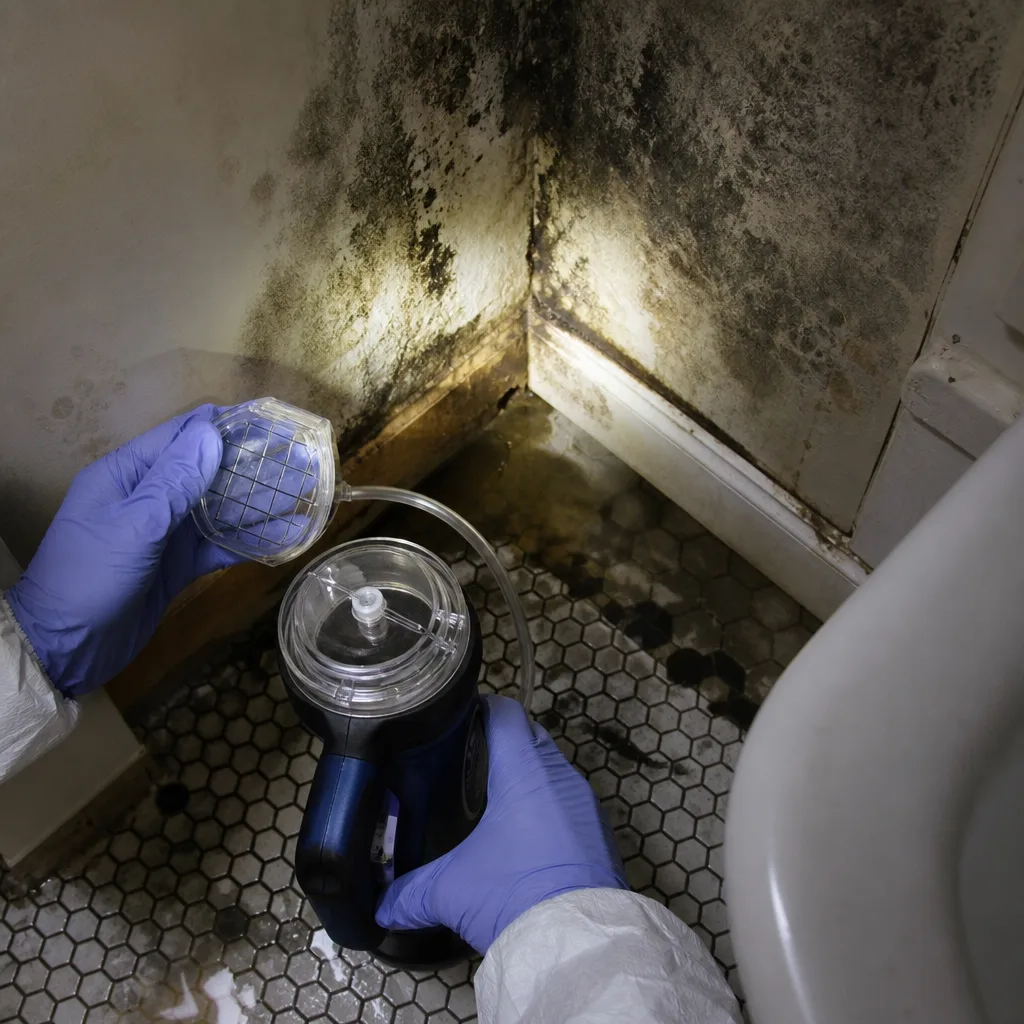
- Using “looks fine” as a checklist entry. “Looks fine” is not a measurement. Record the actual moisture reading, the actual pressure, the actual photograph. Vague entries are inadmissible in coverage disputes.
- Storing records only on paper in the unit. A water loss that damages the unit also damages the records stored in it. Use cloud storage with automatic backup, and give a trusted contact access.
- Ignoring building-common systems. In Financial District co-ops and condos, boilers, roofs, and standpipes are often building responsibility, but the damage from their failure is unit responsibility. Document your requests to building management for maintenance records; their failure to maintain can shift liability.
- Photographing only problems. Insurers argue that absence of pre-loss normal-condition photos suggests the condition predated the loss. Photograph normal conditions annually so you have a baseline.
- Failing to track vendor credentials. A service record from an unlicensed technician is weaker evidence than one from a licensed professional. Record license numbers with every service entry.
- Discarding old records. Most property insurance policies have a 2-3 year statute of limitations for claims, but coverage disputes can extend longer. Maintain records for at least 5 years, or for the duration of ownership plus 2 years.
- Not updating after renovations. A kitchen renovation changes plumbing routing, appliance locations, and water exposure risk. Update baseline photographs and system documentation after any significant alteration.
When to Call a Professional
Call a licensed water damage restoration professional when moisture readings exceed the benchmarks in this checklist and you cannot identify and stop the source within 24 hours; when you observe staining, warping, or odor that suggests hidden moisture; when a building-common system fails and water is entering your unit; or when an insurer has denied a claim and you need documented evidence of sudden versus gradual damage.
DryMark Restoration Financial District offers free estimates in Financial District. We document every assessment with moisture readings, thermal imaging, and a written scope before any work begins, under Haven Standard, Clause 1. Our reports have been used in coverage disputes, appraisal proceedings, and litigation to establish loss date and causation. Call (551) 212-1492 for a free estimate or second opinion on any competitor’s written estimate, and see our more guides & resources for additional homeowner protection strategies.
Frequently Asked Questions
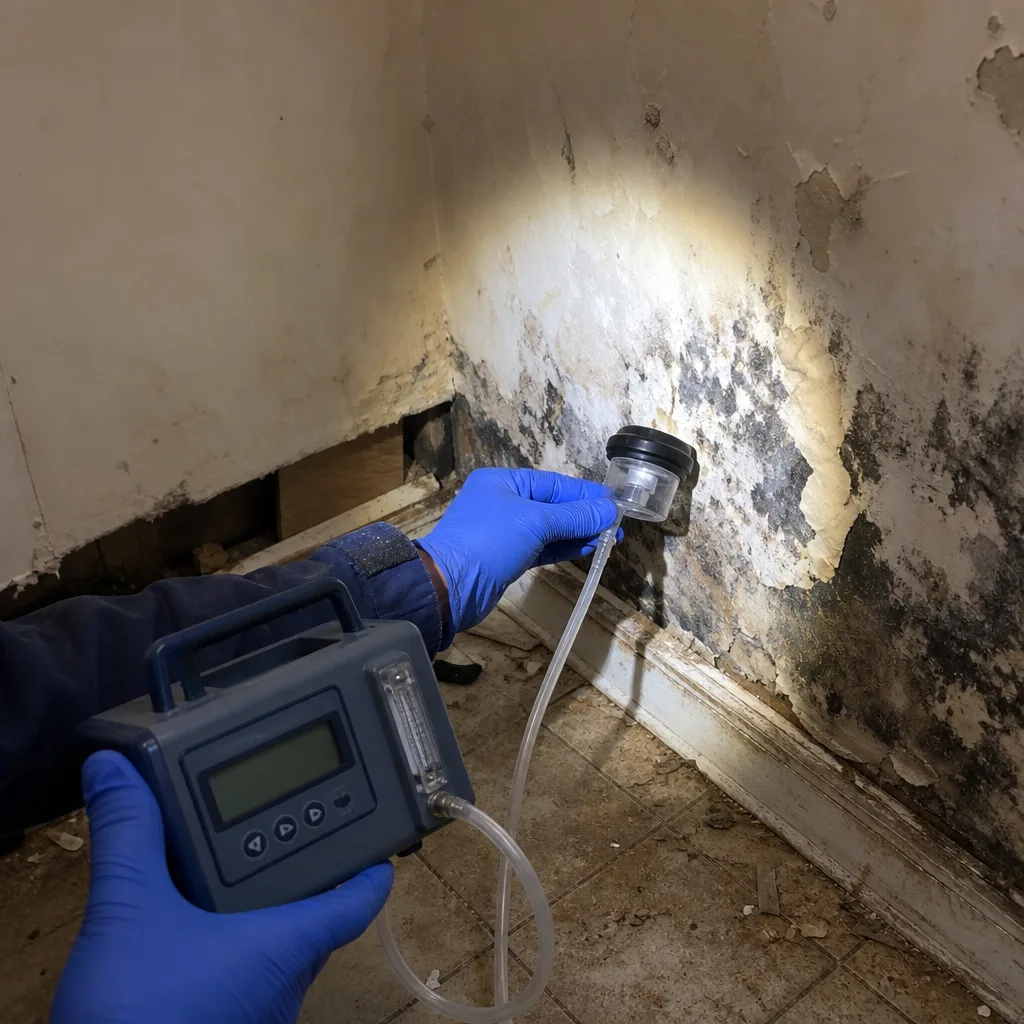
A professional moisture assessment for a typical Financial District condo or co-op unit ranges from $250 to $500, depending on unit size, accessibility, and whether thermal imaging is included. DryMark Restoration Financial District provides free estimates, including documented moisture readings and a written scope, with no obligation. Call (551) 212-1492 to schedule.
Insurance may still cover sudden and accidental water damage without a maintenance checklist, but the absence of documentation makes it harder to rebut a “gradual damage” denial. A dated checklist with measurements significantly strengthens your position in a coverage dispute. If your claim has been denied, our free second opinion service can review the adjuster’s findings against documented evidence.
Response time depends on the company’s dispatch structure and your building’s access protocols. Many Financial District high-rises require lobby sign-in, elevator reservation, or after-hours security clearance that adds 15-30 minutes even after the crew arrives at the building. DryMark Restoration Financial District maintains live phone coverage 24 hours a day, 7 days a week with no voicemail on emergency lines, and our technicians carry building access documentation to minimize lobby delays. For active water intrusion, speed matters: mold can colonize in 48-72 hours, and secondary damage escalates rapidly.
Slightly elevated moisture readings, below the flag thresholds in this checklist, typically require targeted drying and source correction, not full remediation. Readings above the thresholds, or any reading accompanied by visible mold, odor, or material degradation, warrant professional evaluation. The decision should be based on documented moisture content, not visual appearance alone. We provide the moisture readings and written scope that support this determination under IICRC standards.
You can manage the adjuster relationship yourself, or your restoration contractor can coordinate directly with documentation. At DryMark Restoration Financial District, we provide daily drying logs, photo records, and written scopes formatted for adjuster review, and we can attend adjuster meetings with your authorization. Our documentation is designed to turn restoration invoices into payable claims without dispute. The Haven Standard requires this level of documentation on every job.
A home inspector evaluates condition and identifies risks across all building systems. A restoration assessment quantifies active moisture damage, specifies drying requirements, and produces the documentation that insurers require to approve remediation costs. For pre-loss baseline documentation, a home inspector’s signed report is ideal. For post-loss claim support, a restoration assessment with IICRC-standard moisture logs is necessary. Both can be valuable in different phases of ownership.
The Bottom Line
A water damage maintenance checklist is only as valuable as the evidence it produces. For Financial District homeowners, where building age, system complexity, and high claim values create both elevated risk and elevated scrutiny from insurers, measurable benchmarks and dated documentation are essential protections. Record monthly humidity and moisture readings with pass/fail thresholds. Photograph baseline conditions annually. Maintain system service records with vendor credentials. And understand when a licensed inspector’s signature adds the evidentiary weight that self-documentation cannot provide. The goal is not perfection; it is a defensible record that a coverage dispute cannot dismantle.
Written by Alicia Brennan, Owner at DryMark Restoration Financial District, serving Financial District since 2011.