
Last updated September 22, 2026
Free visual inspection and a written scope of work before any mitigation begins - photos, moisture readings, and drying logs go in your claim file
The scope we write is the scope we bill. Anything new gets shown to you, in writing, before we touch it.
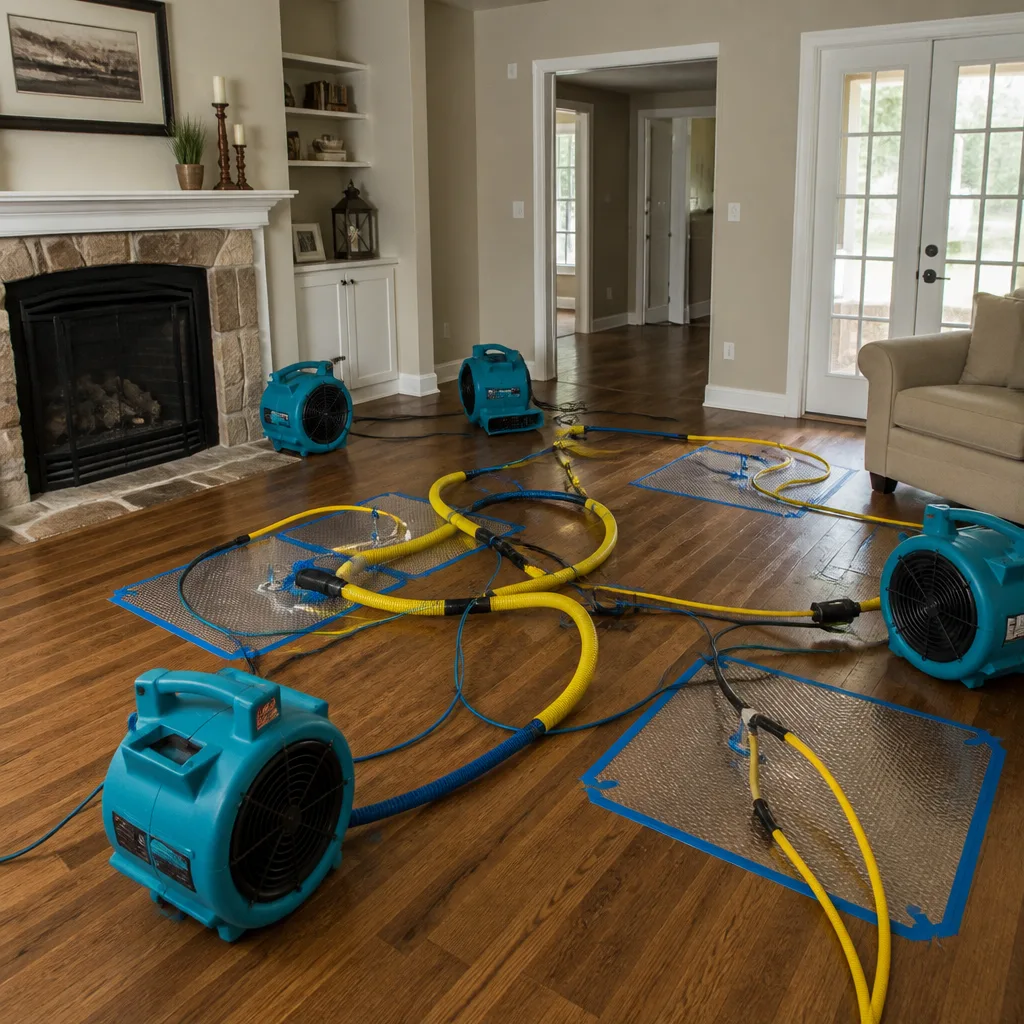
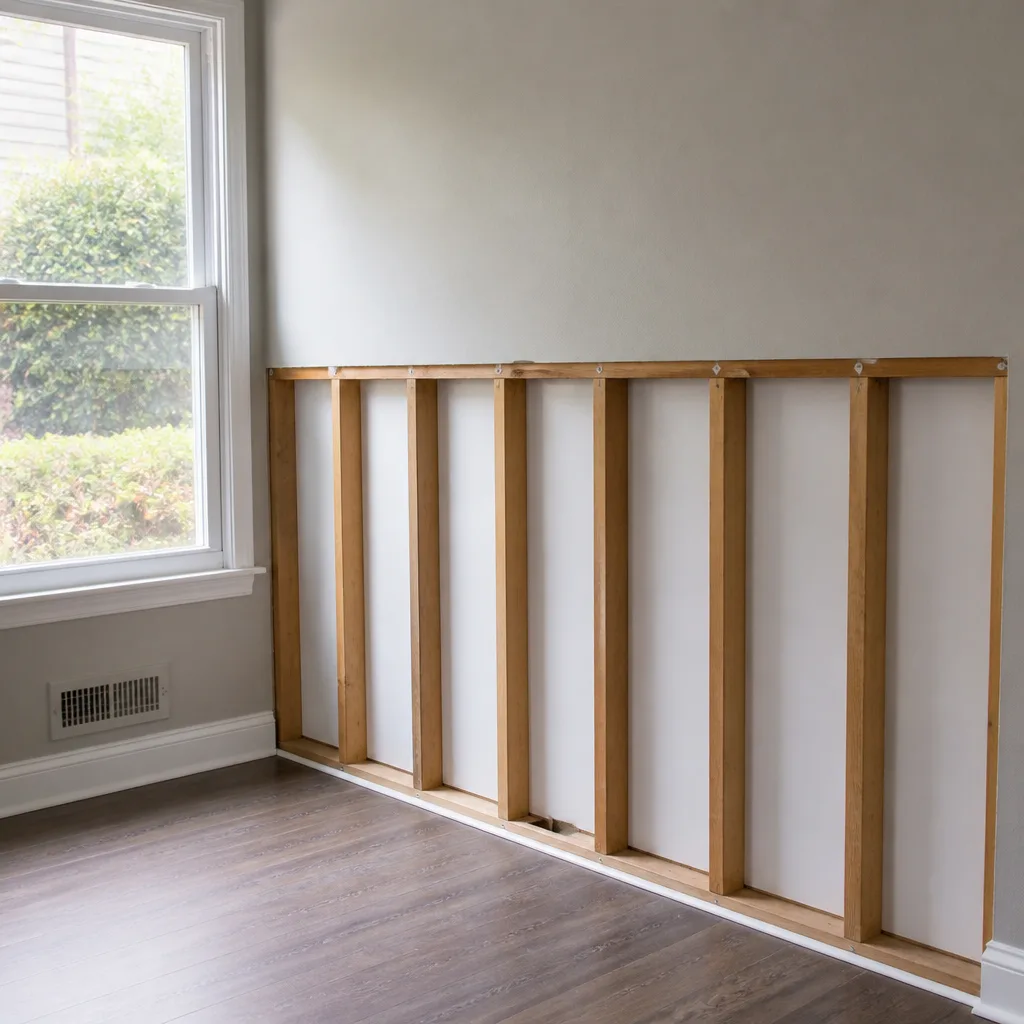

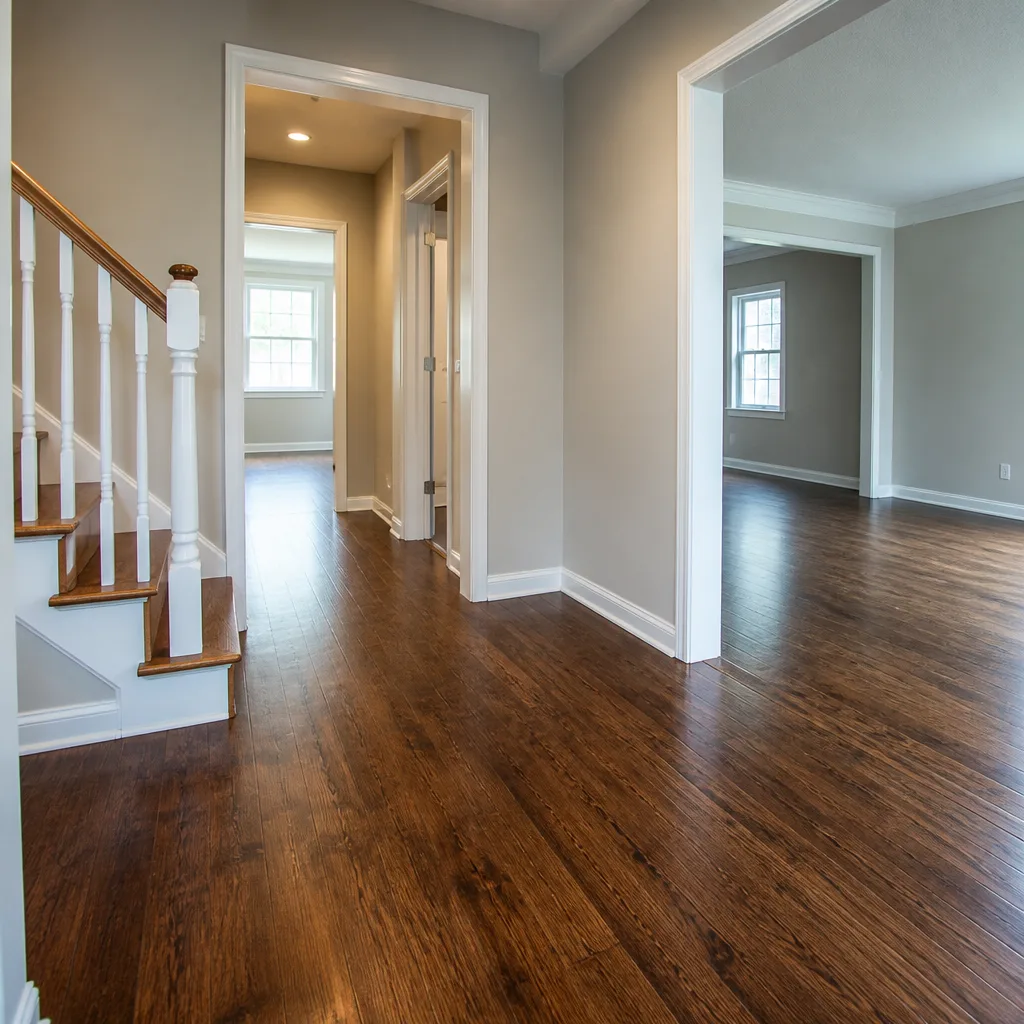
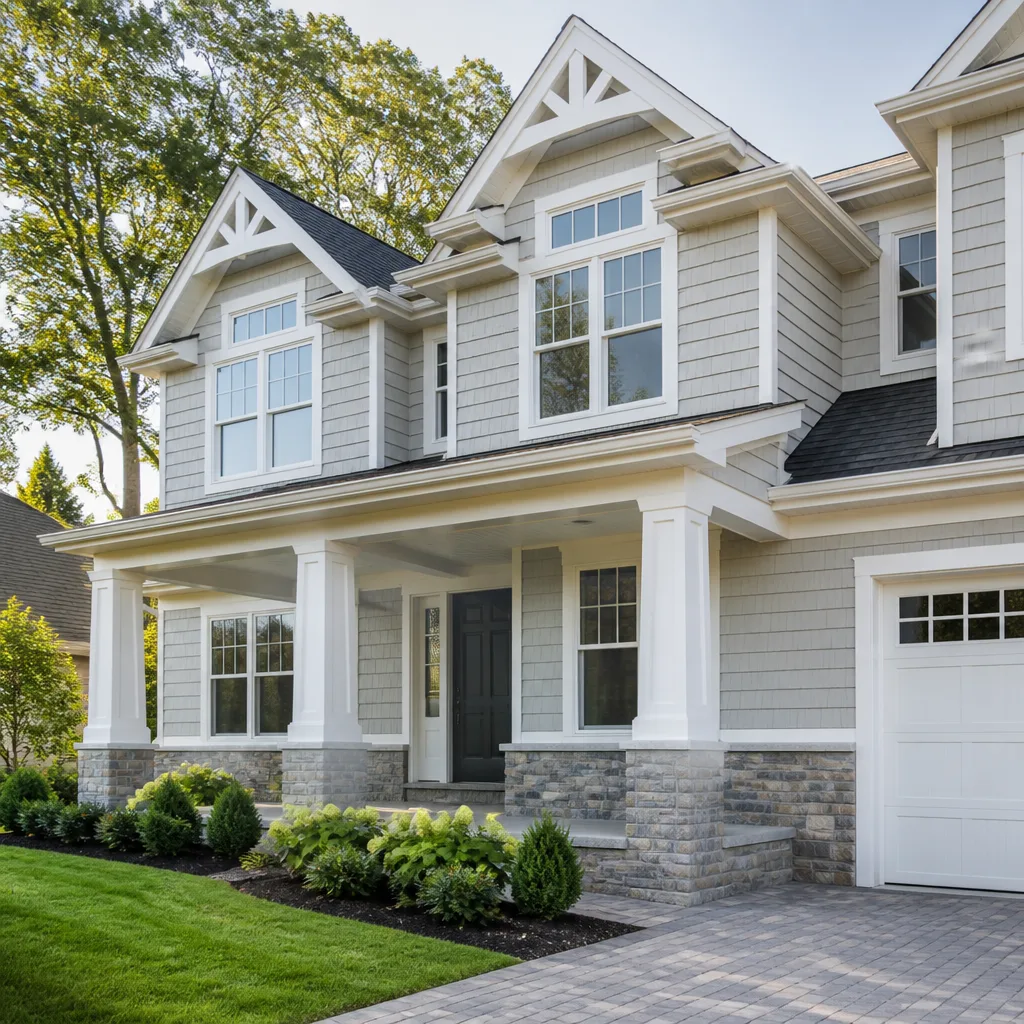
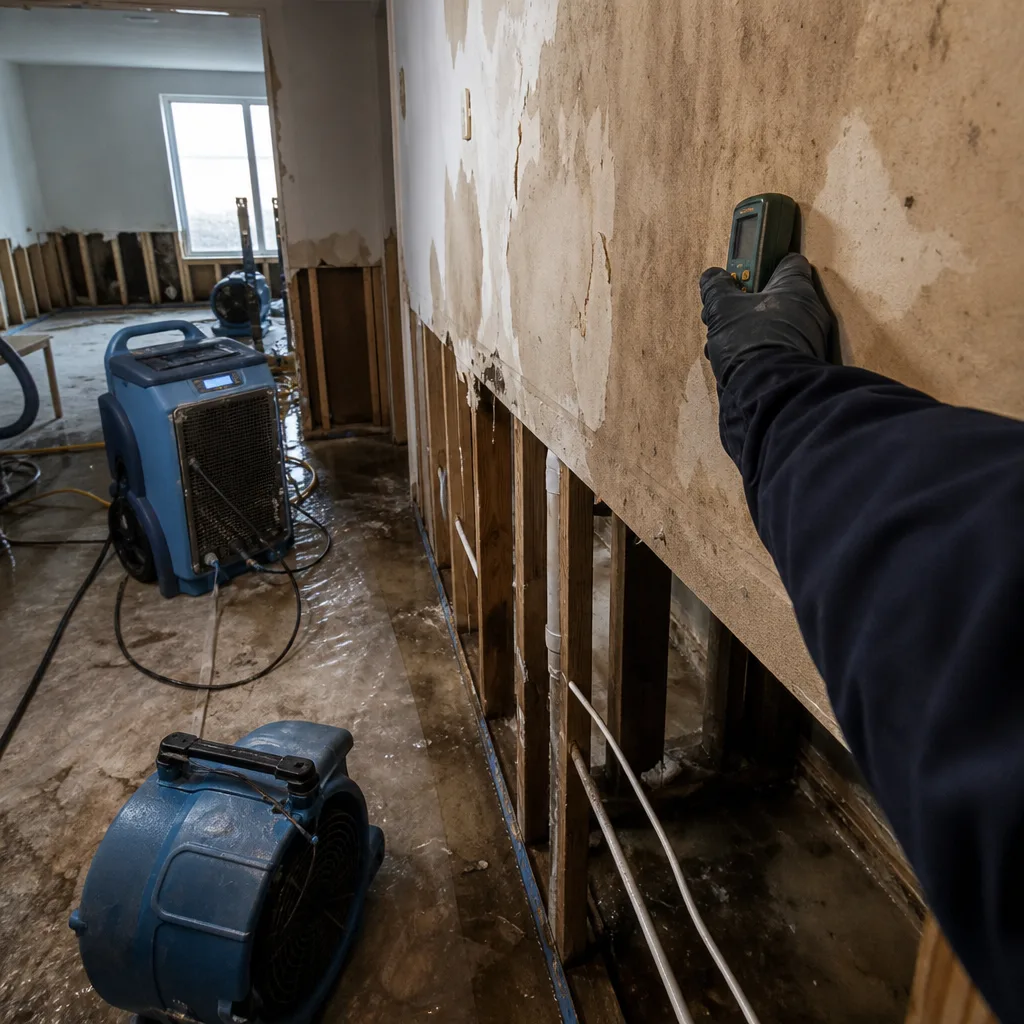 Before
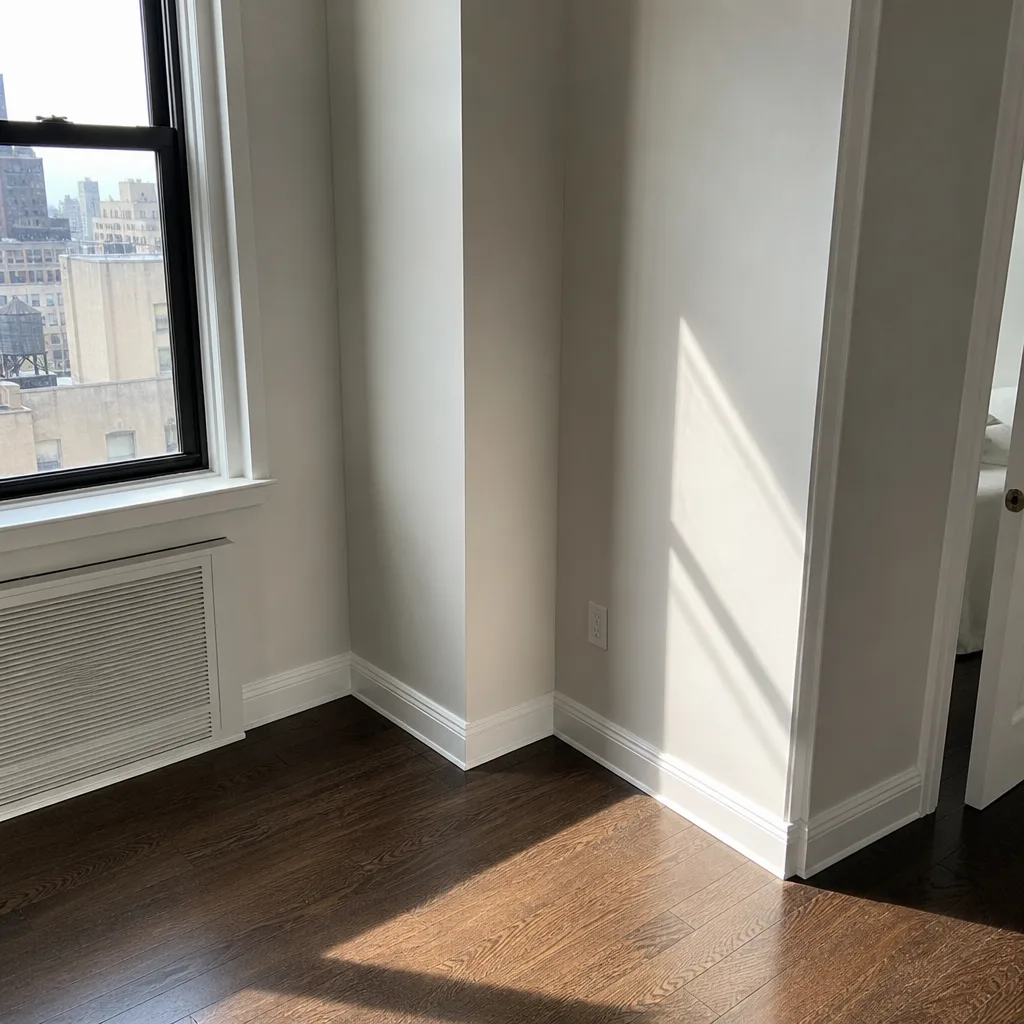 After
After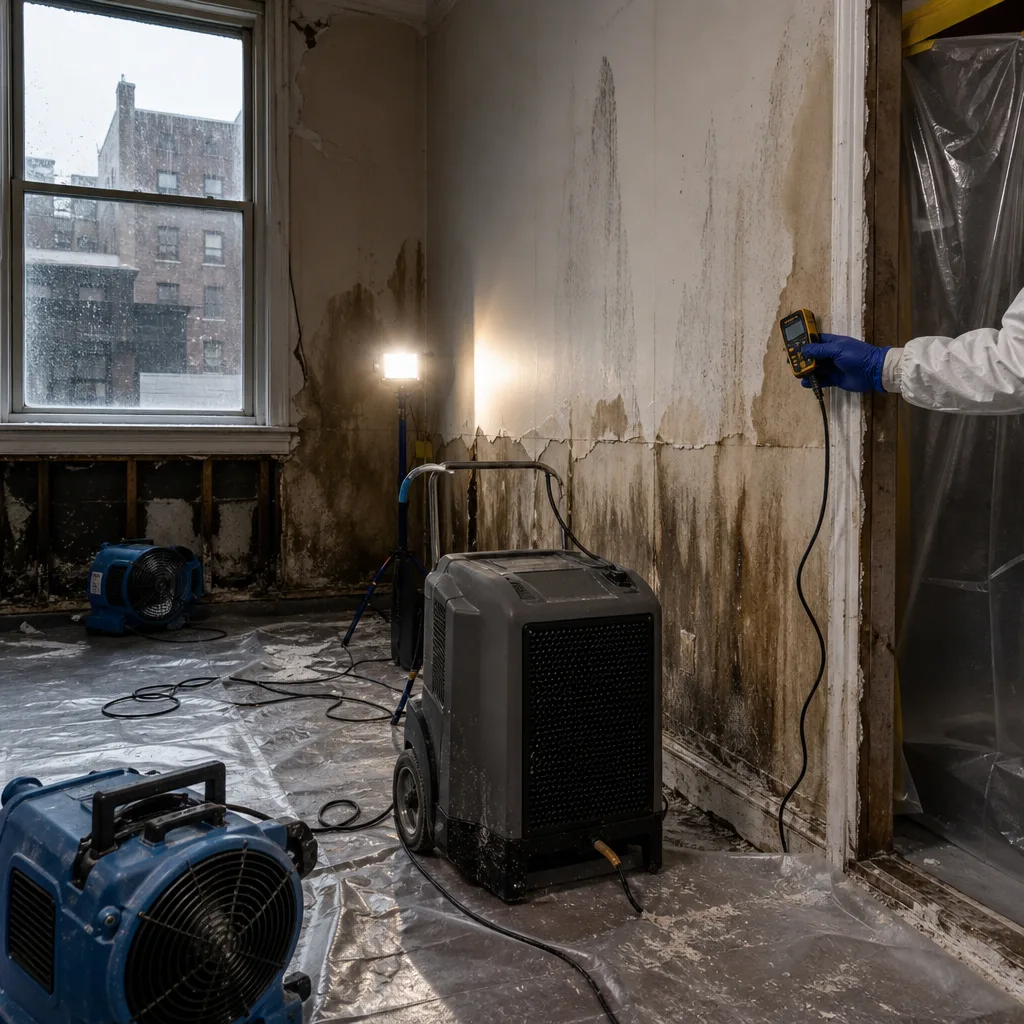 Before
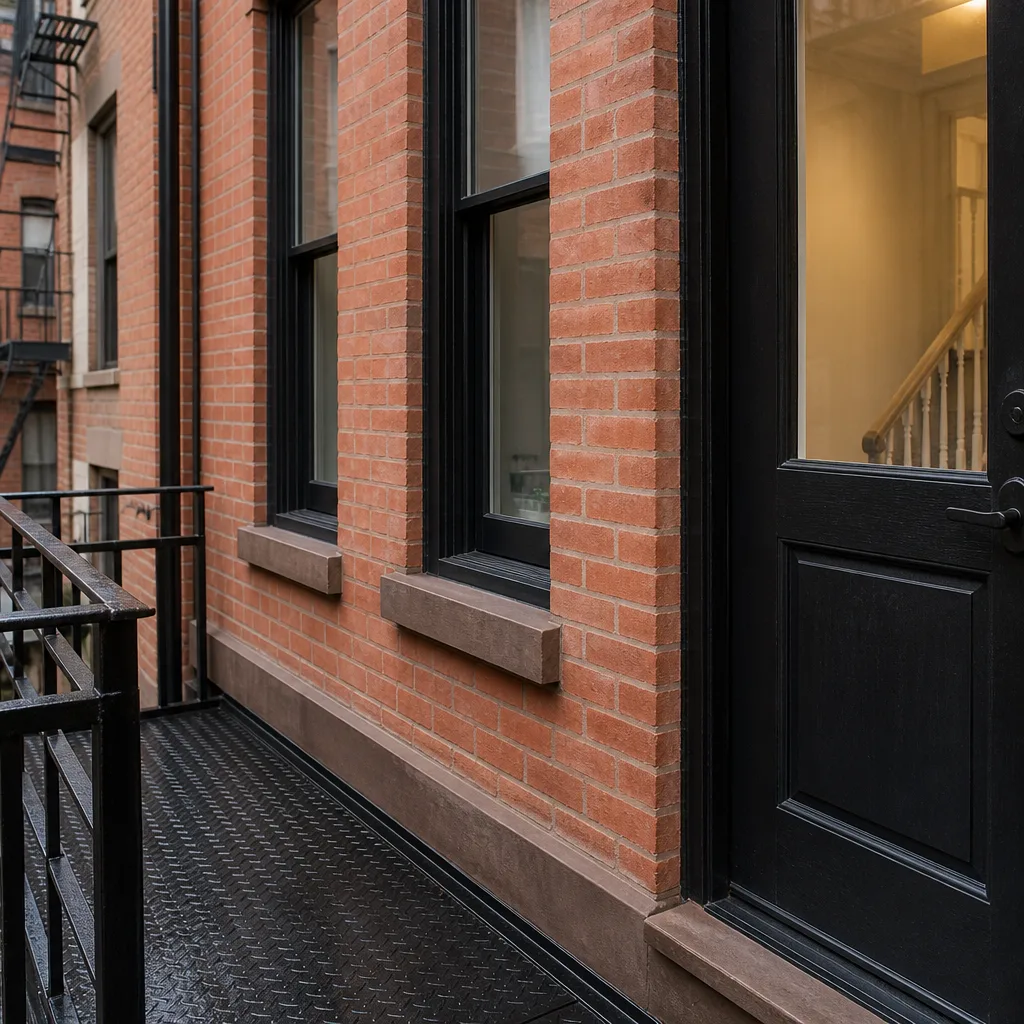 After
After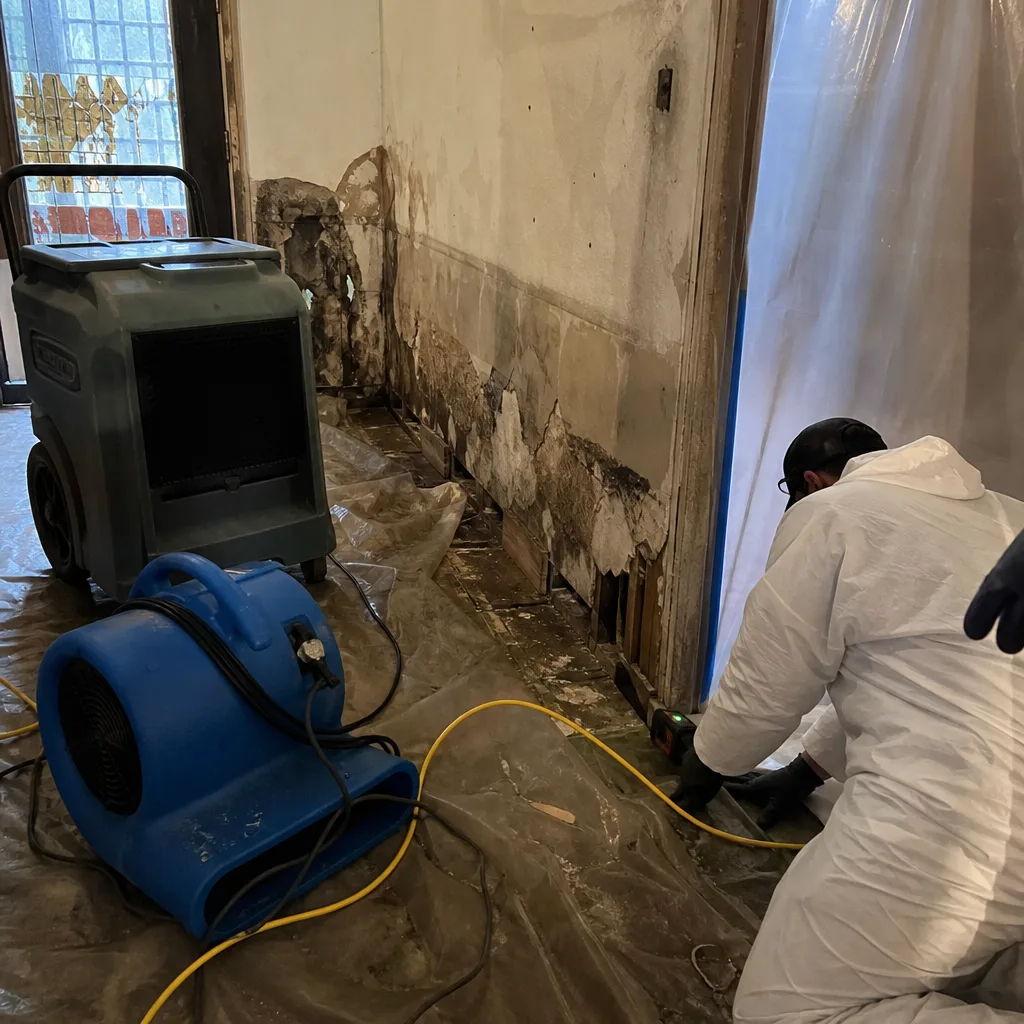 Before
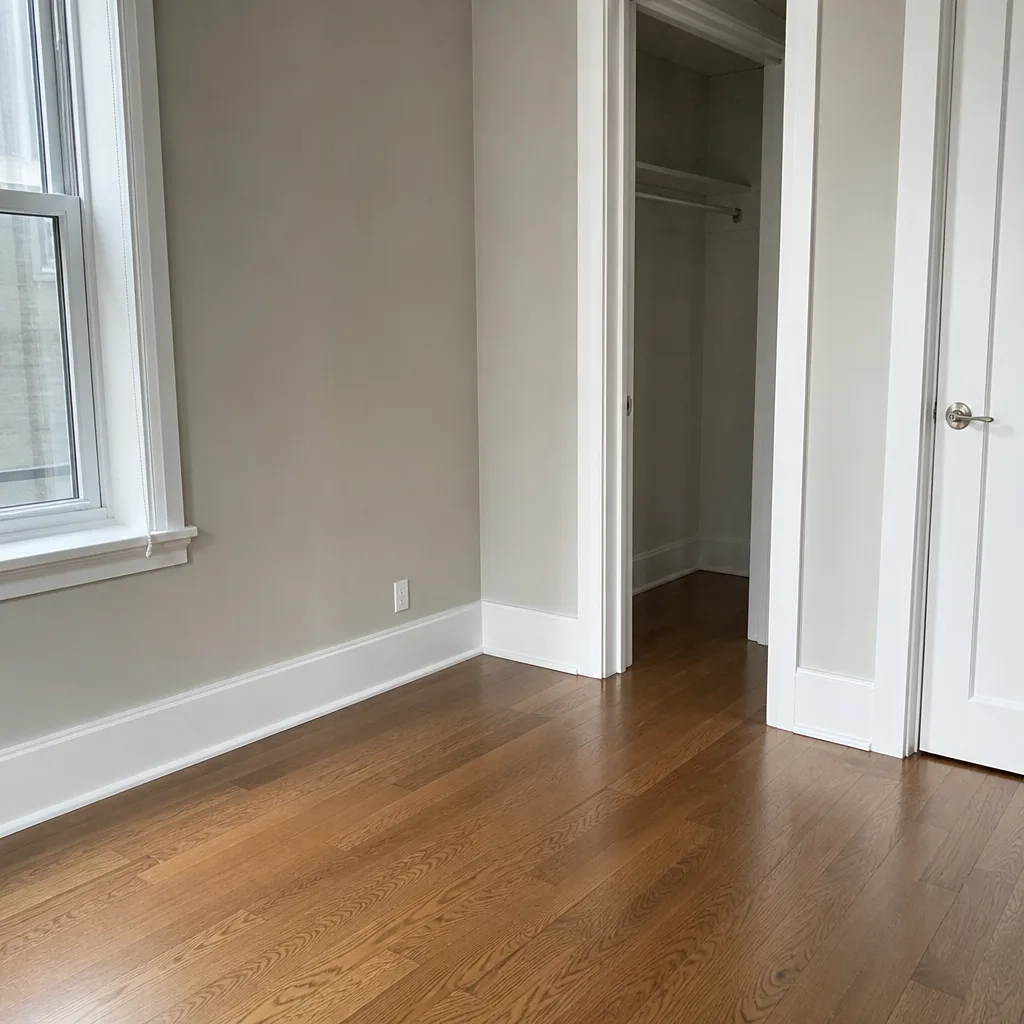 After
AfterDIY vs Professional Damage Restoration: The Financial District Homeowner’s Decision Guide
Here’s a number that stops most Financial District homeowners cold: the average water damage claim denied for inadequate documentation pays zero on the mitigation portion, leaving the policyholder with a $12,000 to $34,000 out-of-pocket drying bill that a properly documented job would have covered entirely. In a market where co-op boards require contractor certificates of insurance and managing agents demand work plans before anyone enters a common area, the DIY-versus-professional question is not about whether you can run a wet-dry vacuum. It’s about whether your drying record will survive three separate reviews: the insurer’s, the building’s, and potentially the neighbor’s attorney’s. This guide maps exactly what a Financial District homeowner can legally and documentably do themselves, what requires a credentialed professional, and where the gap between the two costs people their claims - for more, see our step-by-step guide on hiring a contractor.ms.
Quick Answer
Financial District homeowners can legally perform initial water extraction, contents removal, and temporary containment themselves, but drying, mold remediation, fire restoration, and any structural repair require licensed or certified professionals to produce documentation that insurers and co-op boards will accept. The dividing line is not skill; it’s whether the work generates a verifiable record signed by a credentialed party. Consumer-grade equipment and self-completed logs almost never clear that bar, and DIY drying that lacks psychrometric data typically results in denied or reduced claims.
Table of Contents
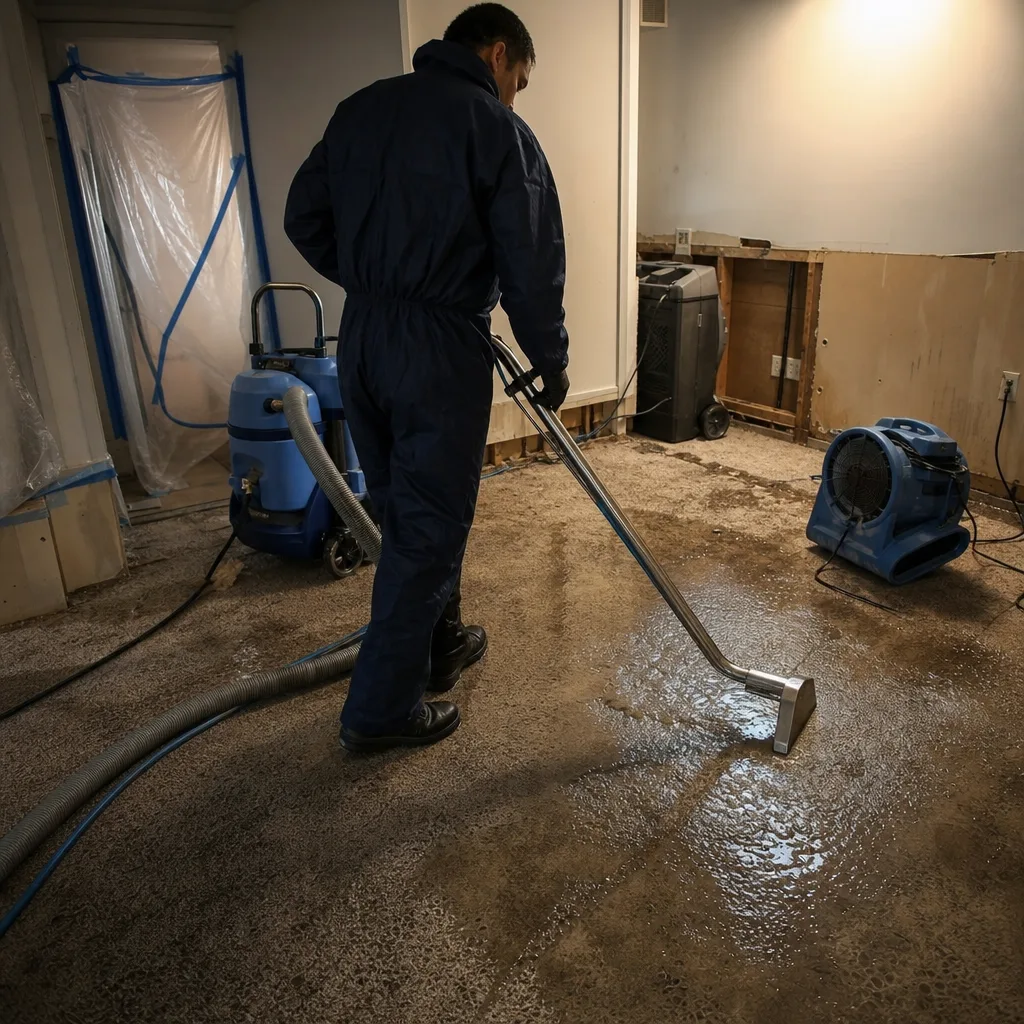
- What NYC Law Allows Homeowners to Do Themselves
- How Insurance Defines ‘Prompt Mitigation’ - and How DIY Can Void It
- The Equipment Gap: What Professional Drying Records That Consumer Rentals Cannot
- Financial District Building Rules That Override DIY Plans
- The Decision Tree: Four Conditions Where Professional Documentation Is Mandatory
- Two Narrow Scenarios Where Documented DIY First Response Is Defensible
- Real Cost Comparison: DIY Expense vs. Professional Invoice in Financial District
- Common Mistakes to Avoid
- When to Call a Professional
- Frequently Asked Questions
BeforeAfterWhat NYC Law Allows Homeowners to Do Themselves
New York City draws a sharp line between emergency response and regulated remediation, and that line determines what documentation a homeowner can produce versus what requires a licensed signature.
Unlicensed homeowners may legally perform:
- Standing water extraction using consumer or rented equipment
- Removal of wet personal property and contents to a dry location
- Installation of temporary containment (plastic sheeting, tape barriers) to prevent cross-contamination
- Documentation of conditions via photographs and written notes with timestamps
- Demolition of non-structural, non-utility-affected materials (wet drywall, baseboards, flooring) in a single-family dwelling they own and occupy
What requires a licensed or certified professional:
- Any mold remediation exceeding 10 square feet, per NYC Health Code Article 32 and NYS Labor Law
- Abatement of Category 2 or 3 water (gray water or black water/sewage), which requires OSHA HAZWOPER-trained personnel
- Fire and smoke damage restoration involving structural evaluation or HVAC system cleaning
- Any electrical, plumbing, or gas-line work, which requires NYC Department of Buildings-licensed tradespeople
- Asbestos-containing material disturbance in buildings constructed before 1987, which requires NYSDOL-licensed abatement contractors
The legal permission to act is not the same as the documentary weight of that action. A homeowner who extracts water and photographs the process has performed a lawful act. But when the insurer’s desk adjuster reviews the file, that homeowner’s photo log carries no chain of custody, no instrument calibration record, and no professional liability backing it. In our experience reviewing competitor estimates for our Back to Dry Restoration Financial District home free second-opinion service, the claims that stall are rarely the ones with disputed damage. They’re the ones with disputed documentation.
Here’s the practical threshold: if the work product must be accepted by a third party with no personal relationship to the homeowner, the person performing it needs credentials that third party recognizes. Your insurer does not know you. Your co-op board does not vouch for your moisture meter. The neighbor whose unit your unvented dehumidifier fed mold spores into will not accept your word that drying was complete.
How Insurance Defines ‘Prompt Mitigation’ - and How DIY Can Void It
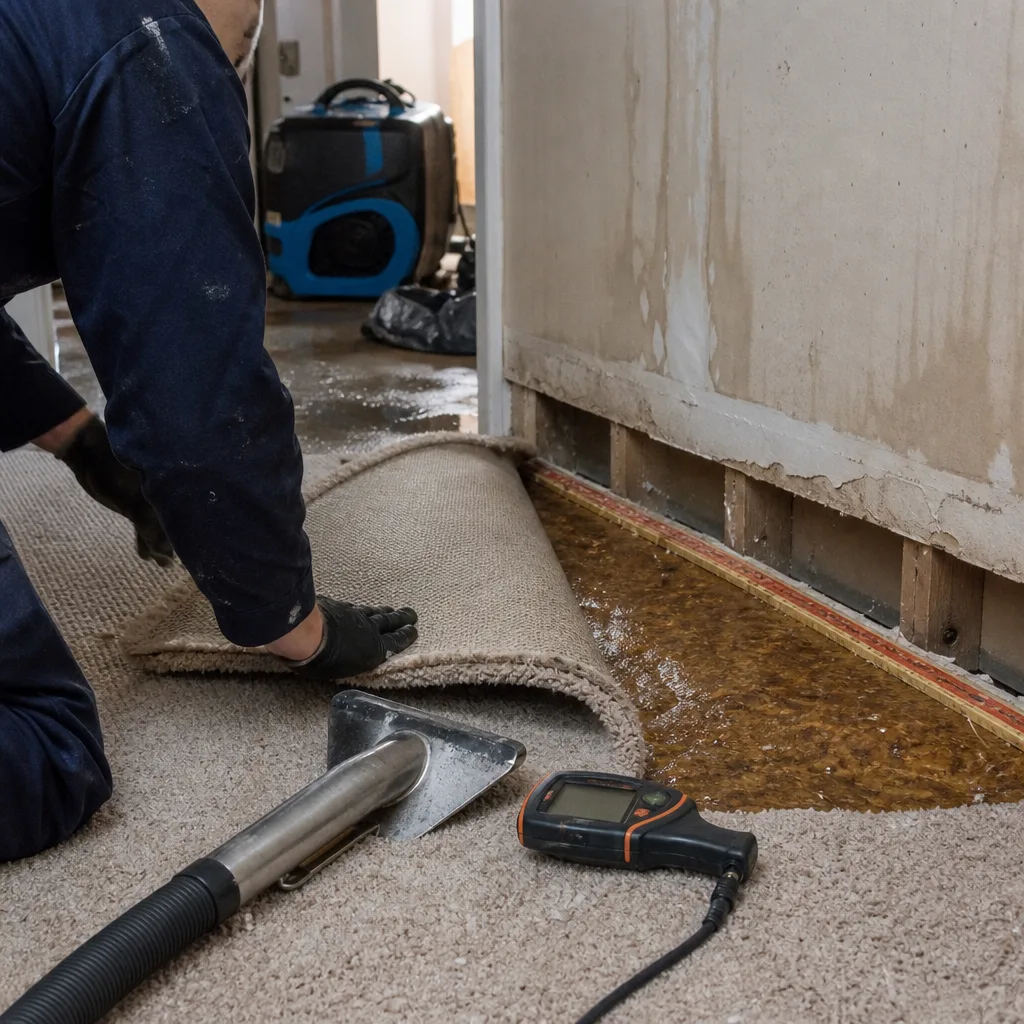
Every homeowner’s policy in New York contains a version of the same clause: the insured must take “reasonable steps” to protect property from further damage after a loss. This is the prompt mitigation obligation, and it is where well-intentioned DIY most often becomes a coverage problem.
Insurers evaluate prompt mitigation on two axes: speed and appropriateness. Speed is straightforward. A homeowner who begins extraction within hours of discovery generally satisfies the timeline test. Appropriateness is where claims founder. An adjuster can characterize DIY drying as either fulfilling the mitigation duty or as an inadequate response that allowed secondary damage to develop, depending on what the documentation shows.
DIY actions that typically satisfy prompt mitigation:
- Removing standing water with a wet-dry vacuum or pump within 4-6 hours of discovery
- Moving wet contents to a ventilated area
- Calling a professional restoration firm within 24 hours and documenting that call
- Photographing all affected areas with timestamps before any work begins
DIY actions that adjusters frequently characterize as failing the standard:
- Running consumer-grade dehumidifiers without measuring relative humidity, specific humidity, or moisture content of structural materials
- Demolishing wet materials without photographing their condition first, destroying evidence of the loss
- Failing to establish a drying baseline (moisture readings in unaffected materials for comparison)
- Delaying professional involvement beyond 24-48 hours while attempting self-drying
- Discarding damaged items before the adjuster inspects, without photo documentation and inventory
The critical distinction is measurable documentation versus assumed completion. A homeowner who rents a dehumidifier, runs it for five days, and declares the job done has produced no evidence that drying reached completion standards. IICRC S500, the water damage restoration standard, defines structural drying completion by specific moisture content readings in wood framing (typically 15% or below) and equilibrium relative humidity in wall cavities. A consumer rental unit does not log these readings. Without logged psychrometric data - temperature, relative humidity, specific humidity, and vapor pressure differential (the force that drives moisture from wet materials into the air) - an adjuster has no basis to confirm drying occurred, and every incentive to classify remaining moisture as secondary damage excluded under the policy.
We’ve reviewed claims where the homeowner’s $89/day dehumidifier rental generated $340 in rental receipts and $23,000 in denied coverage because the insurer’s independent adjuster found elevated moisture in sill plates six weeks later, attributed it to incomplete initial drying, and applied a prompt-mitigation exclusion. The homeowner saved $2,100 by avoiding professional drying. The documentation gap cost $23,000.
The Equipment Gap: What Professional Drying Records That Consumer Rentals Cannot
The equipment deployed on a professional water damage job is not simply more powerful than consumer rentals. It is instrumented, calibrated, and configured to produce a record that satisfies third-party review. Understanding the gap requires looking at what each category of equipment actually measures and logs.
Consumer and rental-grade equipment:
| Equipment Type | What It Does | What It Records | Typical Financial District Rental Cost |
|---|---|---|---|
| Standard dehumidifier (50-70 pint) | Removes moisture from air at approximately 15-20 gallons/day under ideal conditions | Nothing; no data logging | $89-140/day |
| Wet-dry vacuum | Extracts standing water from hard surfaces | Nothing; user estimates volume | $45-75/day |
| Box fan / air mover | Increases evaporation rate at surface level | Nothing; no airflow measurement | $25-40/day |
| Consumer moisture meter (pin-type) | Measures surface moisture in wood or drywall | Manual readings, no calibration certificate, no timestamp | $35-60 purchase |
Professional-grade equipment (IICRC S500-compliant deployment):
| Equipment Type | What It Does | What It Records | Documentation Output |
|---|---|---|---|
| LGR dehumidifier (Dri-Eaz, Phoenix) | Removes 130-200+ pints/day; operates effectively below 40 grains per pound | Inlet/outlet conditions, runtime hours, grain depression achieved | Daily drying log with psychrometric readings |
| Axial or centrifugal air mover (XPOWER, B-Air) | Delivers 3,000-4,500 CFM with focused velocity for boundary-layer disruption | Placement map, CFM per room, directional configuration | Room-by-room equipment map in scope |
| Injectidry hardwood floor drying system | Creates negative pressure within floor cavity to extract trapped moisture | Vacuum pressure in inches of water column, moisture content reduction timeline | Specialty drying log with before/after readings |
| Thermal imaging camera (FLIR) | Identifies moisture patterns invisible to visual inspection | Captured images with temperature differential data | Photo record with IR annotation |
| Delmhorst or Protimeter moisture meter | Measures moisture content at depth in wood, concrete, insulation | Calibrated readings traceable to NIST standards, timestamped | Daily moisture map with affected/unaffected comparison |
The vapor pressure differential we mentioned earlier is worth a plain explanation. Moisture moves from areas of high vapor pressure to low vapor pressure. Professional drying equipment is configured to maintain a specific differential that drives moisture out of structural materials faster than ambient conditions would allow. A consumer dehumidifier in a Financial District apartment in July, when outdoor specific humidity often exceeds 120 grains per pound, may be fighting against infiltration more than it’s drying the structure - one reason we recommend seasonal restoration planning for local homeowners. The professional LGR unit, monitored daily and adjusted for conditions, maintains the differential intentionally. But the equipment difference is secondary to the data difference. The Dri-Eaz or Phoenix unit’s daily log, combined with moisture mapping and thermal imaging, creates a chain of evidence. The rental dehumidifier creates a rental receipt.
At Water Damage Restoration in Financial District, our crews document every job to IICRC, RIA, and IFA standards using this equipment precisely because the resulting records convert to payable claims. The 12,000+ homes we’ve restored since 2011 share one common element: a written price before work started, and a documented record when the crew left. The documentation is the product as much as the dry building.
Financial District Building Rules That Override DIY Plans
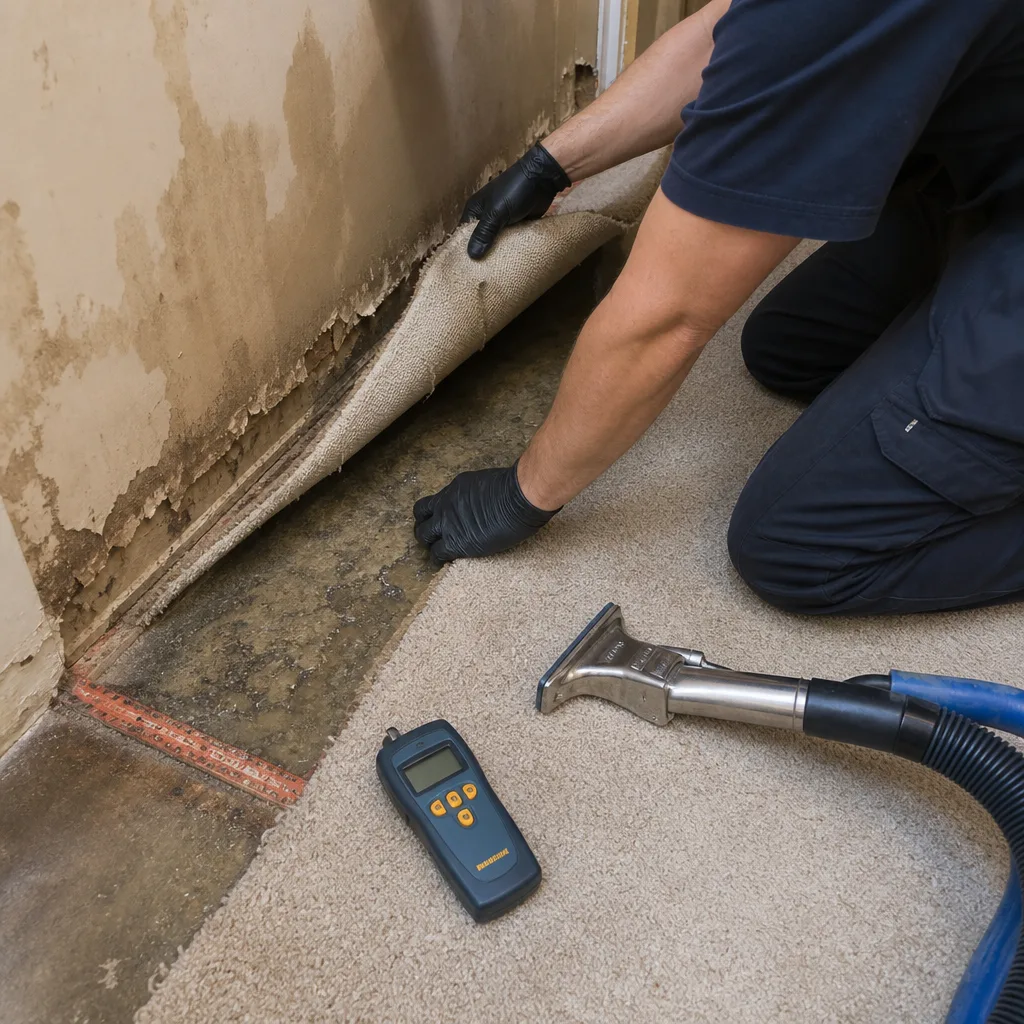
Financial District residential buildings operate under constraints that make many DIY restoration plans legally or practically impossible before technical skill even enters the equation. The concentration of co-operative apartments, condominiums with professional management, and landmark-designated structures creates a regulatory layer that residential homeowners in outer boroughs or suburban markets rarely encounter.
Co-operative board requirements:
Most Financial District co-ops require pre-approval of any contractor entering the building for work affecting common elements, plumbing risers, or structural components. This approval typically requires:
- Certificate of insurance naming the co-op corporation as additional insured, with specific coverage limits
- Workers’ compensation certificate
- Licensed contractor registration with NYC Department of Buildings
- Scope of work submitted to managing agent 48-72 hours before work begins
A homeowner performing DIY work cannot produce these documents. More critically, if DIY work damages a common element - a plumbing stack, an electrical riser, a fire-rated partition - the co-op’s recourse is against the shareholder personally, often under the proprietary lease’s indemnification clause. We’ve seen shareholders face five-figure assessments for water migration into a neighboring unit that a professional’s containment plan would have prevented.
Condominium managing agent notification:
Condominium declarations in Financial District buildings typically require immediate notification to the managing agent for any water intrusion affecting more than one unit, any odor complaint, or any work requiring shutoff of common utilities. The managing agent then directs whether the unit owner’s contractor, the building’s contractor, or both will respond. Performing DIY work without this notification can violate the declaration and expose the unit owner to liability for costs the building incurs in remediation.
Landmark and special district constraints:
Properties in the Financial District Historic District or within view corridors of designated landmarks face additional Landmarks Preservation Commission oversight for exterior work, window replacement, or facade penetration. Interior restoration rarely triggers LPC review directly, but if water damage requires exterior access, scaffolding, or facade opening, the permitting timeline makes emergency DIY response impractical regardless of skill.
Neighbor liability exposure:
Financial District residential buildings are predominantly multi-unit. Water, smoke, or mold in one unit affects others through shared walls, floors, and HVAC systems. New York’s negligence standard applies: a property owner who fails to exercise reasonable care in addressing damage that affects neighboring units faces liability for resulting harm. “Reasonable care” in this context is measured against what a professional would have done, not what the homeowner believed sufficient. A dehumidifier running in Unit 12A that fails to prevent mold in 11A does not produce a defensible record. A professional’s drying log, submitted to the managing agent and insurer, does.
The practical effect is that DIY restoration in Financial District buildings is constrained not by the homeowner’s ability, but by the building’s governance structure. Even where legally permissible, it is often practically uninsurable.
The Decision Tree: Four Conditions Where Professional Documentation Is Mandatory
Regardless of a homeowner’s technical skill, financial resources, or confidence, four conditions make professional involvement with verifiable documentation non-optional. These are not recommendations. They are structural requirements of the insurance, legal, and building systems within which Financial District homeowners operate.
Condition 1: Category 2 or 3 water intrusion
Gray water (dishwasher discharge, washing machine overflow, sump backup) and black water (sewage, seawater, rising groundwater) carry biological and chemical contaminants that require HAZWOPER-trained personnel under OSHA 1910.120 and NYC Health Code provisions. Homeowners who attempt self-remediation of these categories face health exposure, and insurers routinely deny claims where contaminated materials were handled without proper documentation of disposal, cleaning, and clearance testing. The documentation required includes waste manifests, cleaning logs with antimicrobial specifications, and post-remediation verification sampling.
Condition 2: Mold growth exceeding 10 contiguous square feet
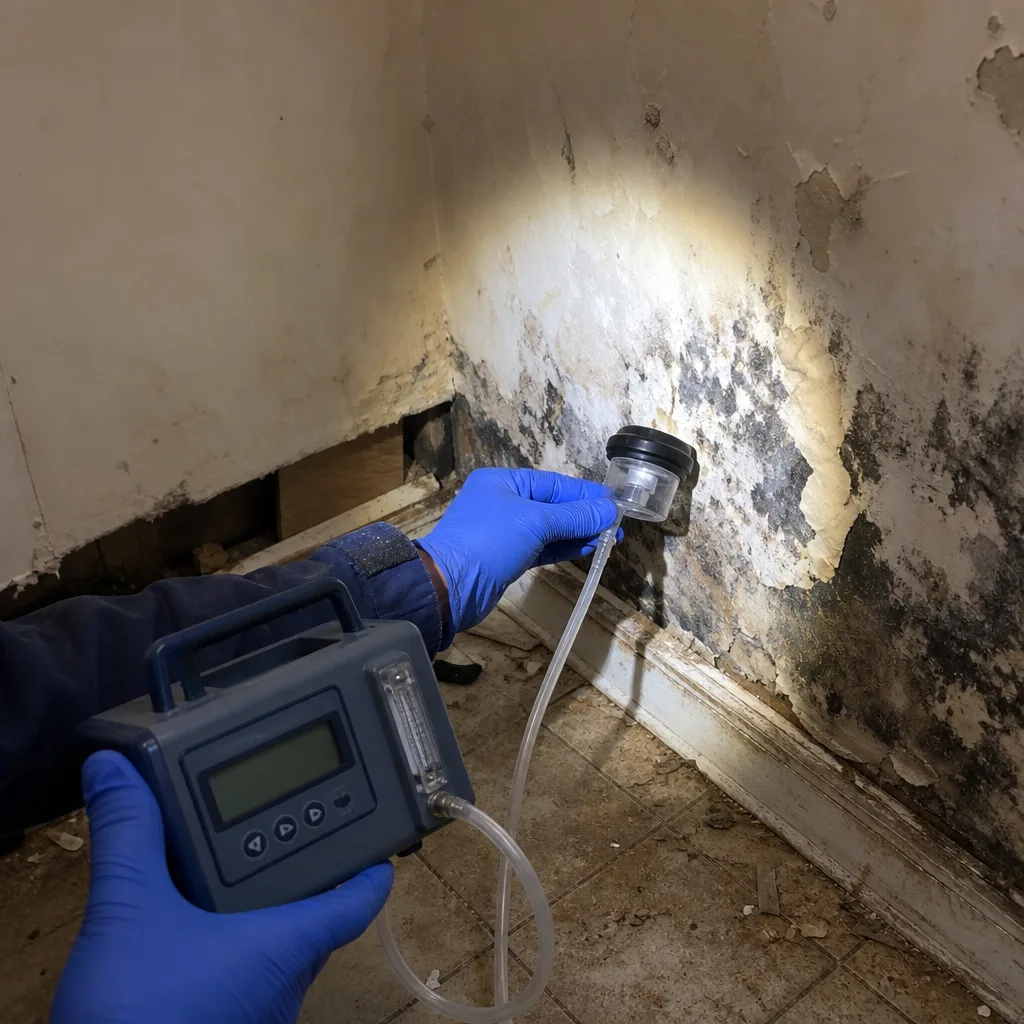
NYC Health Code Article 32 requires licensed mold assessors and remediators for affected areas above this threshold. A homeowner who discovers visible mold, attempts self-removal, and later learns the affected area was larger than estimated has performed unlicensed remediation. This voids the ability to obtain a lawful post-remediation clearance, which most insurers and all co-op boards now require. At Mold Remediation in Financial District, we regularly review situations where early professional assessment would have established the regulated status of the job and preserved coverage.
Condition 3: Fire or smoke damage with structural, HVAC, or contents involvement
Fire restoration requires evaluation of structural integrity, smoke residue classification (dry, wet, protein, or fuel-oil smoke), and HVAC system contamination. Each classification demands specific cleaning protocols documented to IICRC S720 and S760 standards. Consumer-grade cleaning of smoke-damaged surfaces often drives residues deeper into porous materials, creating a more expensive professional remediation requirement later. Insurers characterize this as damage exacerbation by the insured and apply proportionate reduction or denial.
Condition 4: Any damage affecting neighboring units or common elements
The moment damage crosses a property line - whether water through a floor slab, smoke through a return air duct, or mold through a party wall - the homeowner’s personal judgment is no longer the governing standard. The building’s insurance, the neighbor’s insurance, and potentially multiple attorneys will evaluate whether the response was reasonable. Only professional documentation with third-party verifiability provides defense against negligence claims. A homeowner’s assertion that “I did my best” does not meet the evidentiary standard in a New York civil proceeding.
In each of these four conditions, the cost of professional involvement is not an added expense. It is the purchase of documentation that prevents larger unrecoverable costs. Haven Standard, Clause 1 applies: the written price before work begins lets the homeowner evaluate this cost against the risk exposure, not after the fact when the exposure has materialized.
Two Narrow Scenarios Where Documented DIY First Response Is Defensible
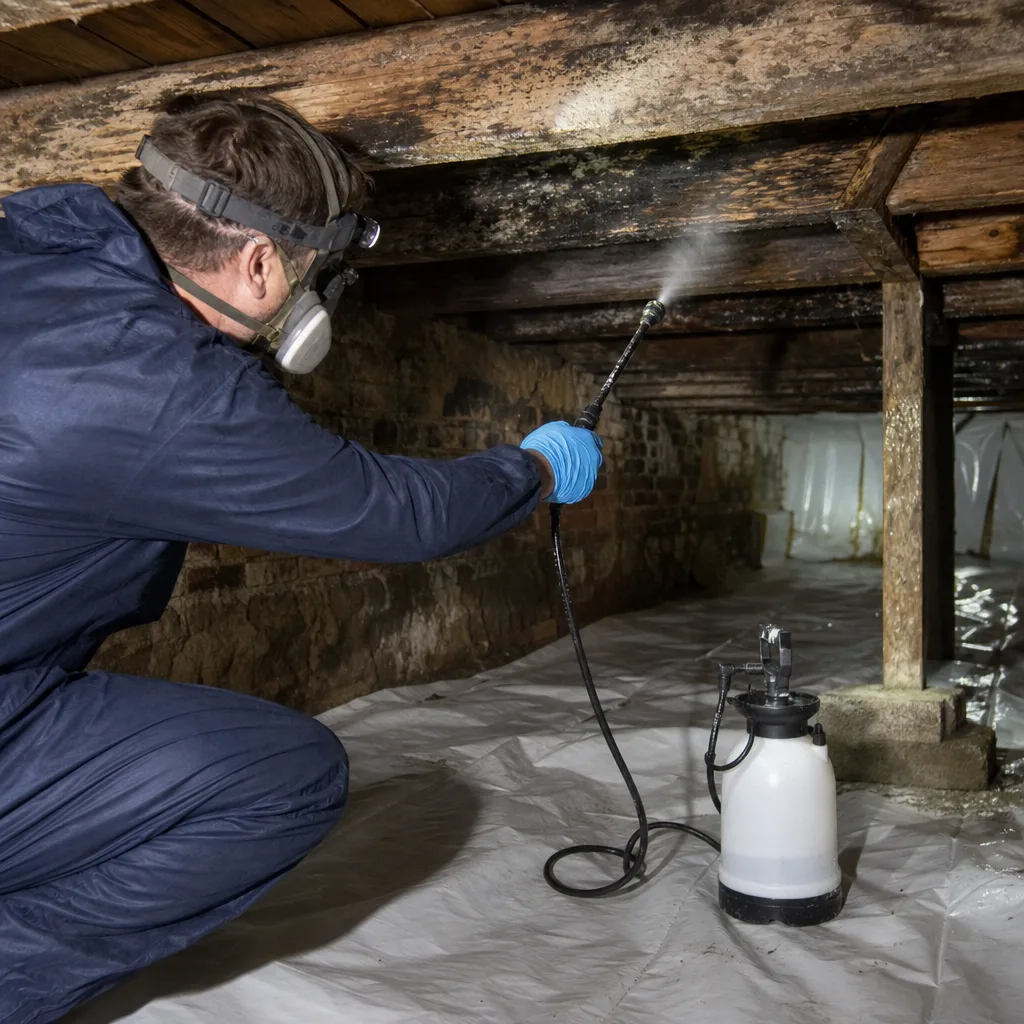
Professional documentation is mandatory in the four conditions above. But two scenarios exist where a homeowner’s immediate, documented action is both appropriate and strategically sound. The key in each is that the DIY work is explicitly preliminary, time-limited, and performed with the intention of enabling professional documentation rather than replacing it.
Scenario 1: Controlled water extraction within the first 4-6 hours, with immediate professional notification
A homeowner who discovers a supply line leak, shuts off the water, extracts standing water with a wet-dry vacuum, removes wet rugs and small items, photographs everything, and calls a professional restoration firm within 6 hours has performed optimal first response. The extraction reduces the water load the professional equipment must handle, potentially shortening the drying timeline. The photographs establish the pre-drying condition. The prompt notification satisfies the prompt mitigation requirement. The homeowner’s work is not the restoration; it is the bridge to restoration.
The defensibility depends on three elements:
- The water is Category 1 (clean water from a supply line, not contaminated)
- The homeowner stops at extraction and contents removal; no demolition, no drying equipment deployment, no material disposal
- Professional involvement is initiated within 6 hours, documented by a timestamped call record or email
Scenario 2: Temporary containment and stabilization during professional mobilization
In a large building with extended professional response times, or during a widespread weather event when restoration firms are backlogged, a homeowner may install temporary containment to prevent cross-contamination. This includes plastic sheeting barriers, towel dams at doorways, and ventilation isolation. These actions are explicitly temporary, do not alter the structure, and are performed to preserve conditions for professional assessment.
Defensibility requires:
- The containment is documented with photographs before and after installation
- The materials used are removable and non-damaging (tape on finished surfaces, not nails or staples)
- Professional assessment occurs within 24 hours
- The homeowner does not enter contained areas or disturb potentially contaminated materials
These scenarios are narrow because the margin for error is narrow. A homeowner who extracts water, feels satisfied with the visual result, and delays professional involvement has crossed from defensible first response into undocumented mitigation. The four-hour window for extraction without professional oversight is real; the 24-hour window for professional involvement is equally real. Exceed either, and the documentation value of the DIY work collapses.
Real Cost Comparison: DIY Expense vs. Professional Invoice in Financial District
Homeowners evaluating DIY versus professional restoration typically compare the visible cost of equipment rental against the professional estimate. This comparison omits the cost categories that determine the actual financial outcome: the cost of incomplete drying, the cost of denied coverage, and the cost of liability exposure.
Typical DIY water damage response, Category 1, 800 sq ft affected:
| Item | Cost | Documentation Value |
|---|---|---|
| Wet-dry vacuum rental, 2 days | $90-150 | None |
| Dehumidifier rental, 5 days | $445-700 | None |
| Air mover rental, 3 units, 5 days | $375-600 | None |
| Moisture meter purchase | $50 | Uncalibrated, no chain of custody |
| Disposable PPE, cleaning supplies | $75-120 | None |
| Time value (estimated 20 hours) | $500-1,500 | N/A |
| Total visible DIY cost | $1,535-3,120 | Zero verifiable documentation |
Professional water damage restoration, same scenario, IICRC S500-compliant:
| Item | Typical Range | Documentation Value |
|---|---|---|
| Emergency service call, assessment, and moisture mapping | $350-650 | Baseline photo record, moisture map, written scope |
| Water extraction and setup | $500-900 | Extraction log, equipment placement map |
| Drying equipment, 3-5 days (LGR dehumidifiers, air movers, specialty as needed) | $1,200-2,400 | Daily psychrometric logs, moisture content readings |
| Monitoring and adjustment, daily visits | $400-800 | Daily drying logs, photo record each visit |
| Demolition of unsalvageable materials | $600-1,200 | Photo record pre/post, waste manifest |
| Antimicrobial application (if required) | $300-500 | Product specification, application log |
| Total professional cost | $3,350-6,450 | Complete claim documentation, insurer-accepted |
The professional invoice is higher. But the comparison that matters is not DIY cost versus professional cost. It is DIY cost plus potential uncovered secondary damage versus professional cost with insurance coverage intact. In the Financial District market, where typical water damage claims with proper documentation settle at 85-95% of submitted mitigation costs, and where denied claims for documentation gaps settle at 0%, the professional premium purchases claim viability.
Our Haven Standard, Clause 1 written price before work begins applies to every job. A homeowner considering DIY can obtain a professional written scope, compare it to the true DIY cost including time and risk, and make an informed decision. We provide free second opinions on any competitor’s written estimate for exactly this purpose.
Common Mistakes to Avoid
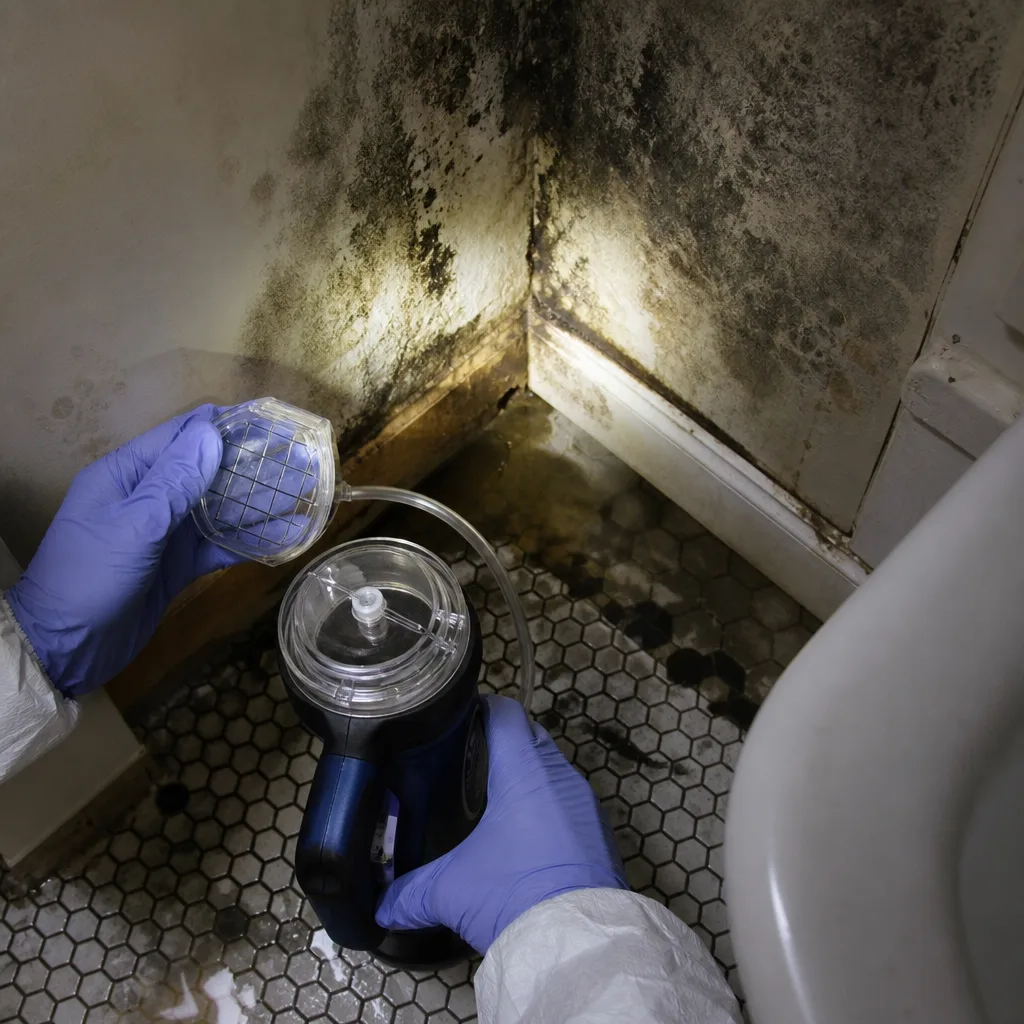
- Running a dehumidifier without measuring moisture content in structural materials. Dry air does not mean dry wood. We’ve found sill plates at 28% moisture content in apartments where the owner ran a rental dehumidifier for a week and believed the job complete.
- Discarding damaged materials before the adjuster inspects. Insurers require evidence of damage to pay for replacement. A homeowner who removes wet drywall for mold prevention and throws it away has destroyed the evidence of loss extent. Photograph everything, inventory what is removed, and store samples if possible.
- Delaying professional involvement to “see if DIY works.” The 24-48 hour window for mold colonization and secondary damage is real. Every day of DIY experimentation without professional assessment extends the drying timeline and increases the likelihood of coverage disputes.
- Failing to notify the managing agent or board in a co-op or condo. Financial District buildings have specific notification requirements. Violating them can result in fines, stop-work orders, and personal liability for common-area damage.
- Using consumer cleaning products on smoke or soot damage. Protein smoke from kitchen fires and wet smoke from slow-burning synthetic materials require specific cleaning chemistry. Consumer products often set residues permanently, converting a cleanable surface into a replacement requirement.
- Assuming insurance will cover DIY work retroactively. Insurers reimburse documented reasonable costs. They do not reimburse assumed competence. A homeowner who spends $2,000 on rentals and produces no drying log has no basis for reimbursement of those costs or of the professional remediation that becomes necessary later.
- Ignoring vapor pressure differentials in high-rise buildings. Financial District apartments on upper floors experience different infiltration patterns than ground-level structures. A drying plan that works in a Brooklyn brownstone may fail in a 40th-floor condo where stack effect drives moisture migration unpredictably. Professional assessment accounts for building-specific air movement.
When to Call a Professional
Call a professional when the damage category, affected area, building governance, or neighbor exposure makes your personal documentation insufficient for the third parties who will review it. This is not a failure of capability. It is a recognition that restoration in Financial District buildings operates within systems that require credentialed verification.
Specifically: call when water is Category 2 or 3; when mold exceeds 10 square feet or is hidden in wall cavities; when fire or smoke has affected structural elements, HVAC, or significant contents; when damage extends beyond your unit’s boundaries; or when your building’s governing documents require licensed contractors. Call when your insurer’s duty to mitigate language requires prompt professional response. Call when the cost of being wrong exceeds the cost of being certain.
DryMark Restoration Financial District offers free estimates in Financial District. Every estimate is a written price before work begins, per Haven Standard, Clause 1. We document every job with photo records, daily drying logs, and moisture maps that satisfy insurer and board review. Our live phone coverage is available 24 hours a day, 7 days a week with no voicemail on emergency lines. For water damage, mold, fire, or any restoration need where documentation determines outcome, call (551) 212-1492.
Frequently Asked Questions
Insurance may reimburse documented reasonable costs for emergency mitigation, but typically will not cover the full scope of DIY drying because self-completed work lacks the verification records adjusters require. Most policies cover professional restoration when documented to IICRC standards; coverage for DIY work is discretionary and often reduced. For a review of what your specific policy requires, call (551) 212-1492 for a free estimate - estimates include documentation guidance for your adjuster.
Our live dispatch answers every call 24 hours a day, 7 days a week with no voicemail, and emergency response teams typically arrive within 90 minutes in the Financial District core during normal conditions. During widespread weather events, response time extends based on call volume, but live dispatch provides real-time estimates and prioritization. Call (551) 212-1492 for current response status.
Most Financial District co-op proprietary leases require notification to the managing agent before work affecting common elements begins, but emergency water shutoff and extraction to prevent further damage is typically permitted as immediate action. The prudent course is to extract standing water, then notify the managing agent within hours while arranging professional assessment. We coordinate directly with managing agents and board representatives as part of our standard documentation package.
A moisture meter measures the moisture content of a specific material at a specific point. Psychrometric data measures the air’s capacity to absorb moisture, including temperature, relative humidity, specific humidity, and vapor pressure differential. Professional drying requires both: the moisture meter confirms material conditions, while psychrometric data confirms the drying environment is actively pulling moisture from materials. Consumer equipment typically provides neither in logged, calibrated form.
NYC Health Code permits homeowners to clean mold under 10 square feet without a licensed remediator, provided the underlying moisture source is corrected and the area is contained to prevent spore dispersal. However, if the mold is in a Financial District co-op or condo, your building’s governing documents may impose additional requirements. We recommend professional assessment even for small areas to confirm the full extent, as visible mold often indicates hidden growth. Our free second opinion service reviews any competitor’s written estimate at no charge.
At DryMark Restoration Financial District, we provide complete documentation packages - photo records, drying logs, moisture maps, written scopes, and waste manifests - formatted for direct adjuster review. We do not negotiate settlements on your behalf, as that is the role of your public adjuster or attorney if you engage one. We do produce the documentation that makes settlement straightforward. Direct adjuster coordination is available where your policy permits third-party billing.
The Bottom Line
The DIY-versus-professional question for Financial District homeowners resolves to a documentation calculation, not a skill assessment. The work you can legally perform yourself is broader than the work that will protect your claim, satisfy your board, and defend against neighbor liability. The optimal response in most water, mold, and fire scenarios is documented DIY first response within the first hours, followed immediately by professional involvement that generates the verified records third parties require. The two narrow DIY scenarios we described above are real, but their windows are short and their documentation requirements are strict. For everything else, the cost of professional documentation is the cost of claim viability. At DryMark Restoration Financial District, every job begins with a written price and ends with a documented record, because we’ve seen what the absence of either costs a homeowner. Haven Standard, Clause 1. No exceptions.
Written by Alicia Brennan, Owner at DryMark Restoration Financial District, serving Financial District since 2011.