
Last updated September 22, 2026
Free visual inspection and a written scope of work before any mitigation begins - photos, moisture readings, and drying logs go in your claim file
The scope we write is the scope we bill. Anything new gets shown to you, in writing, before we touch it.
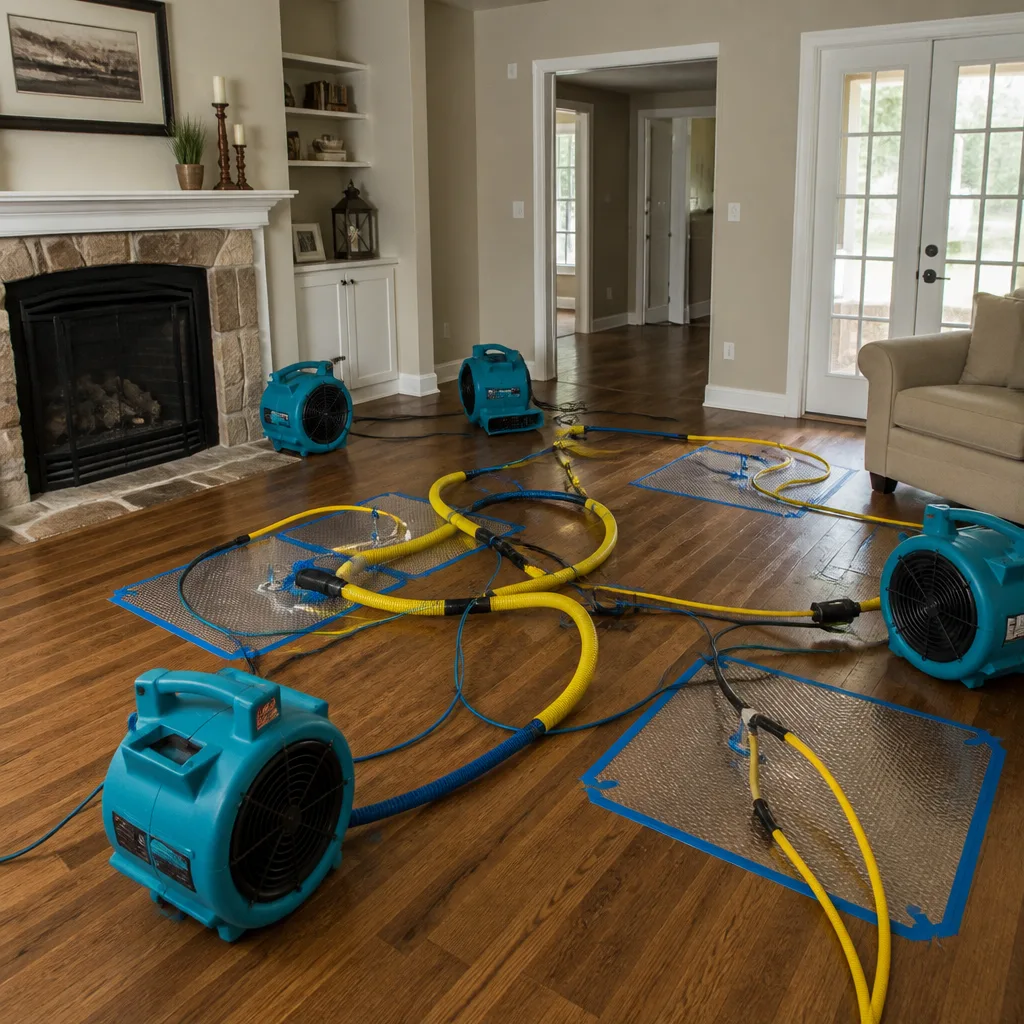
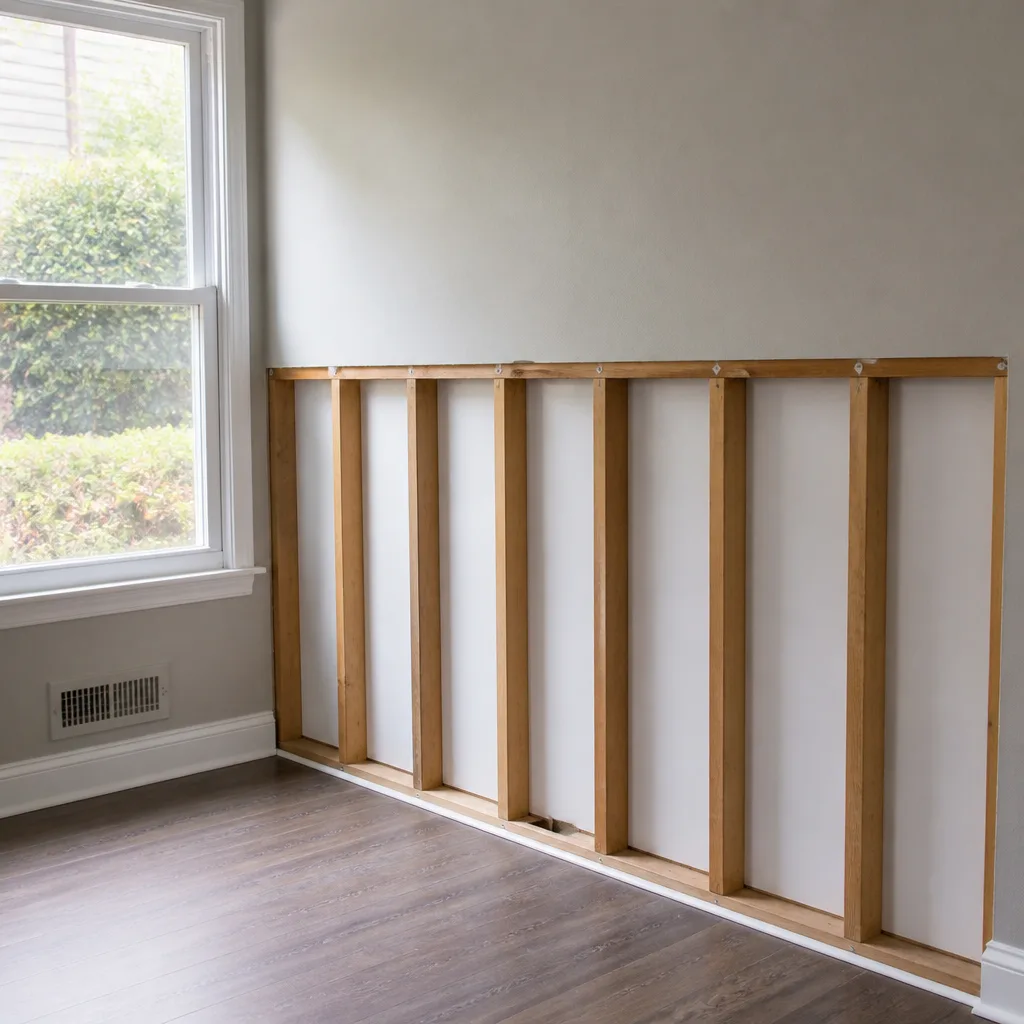

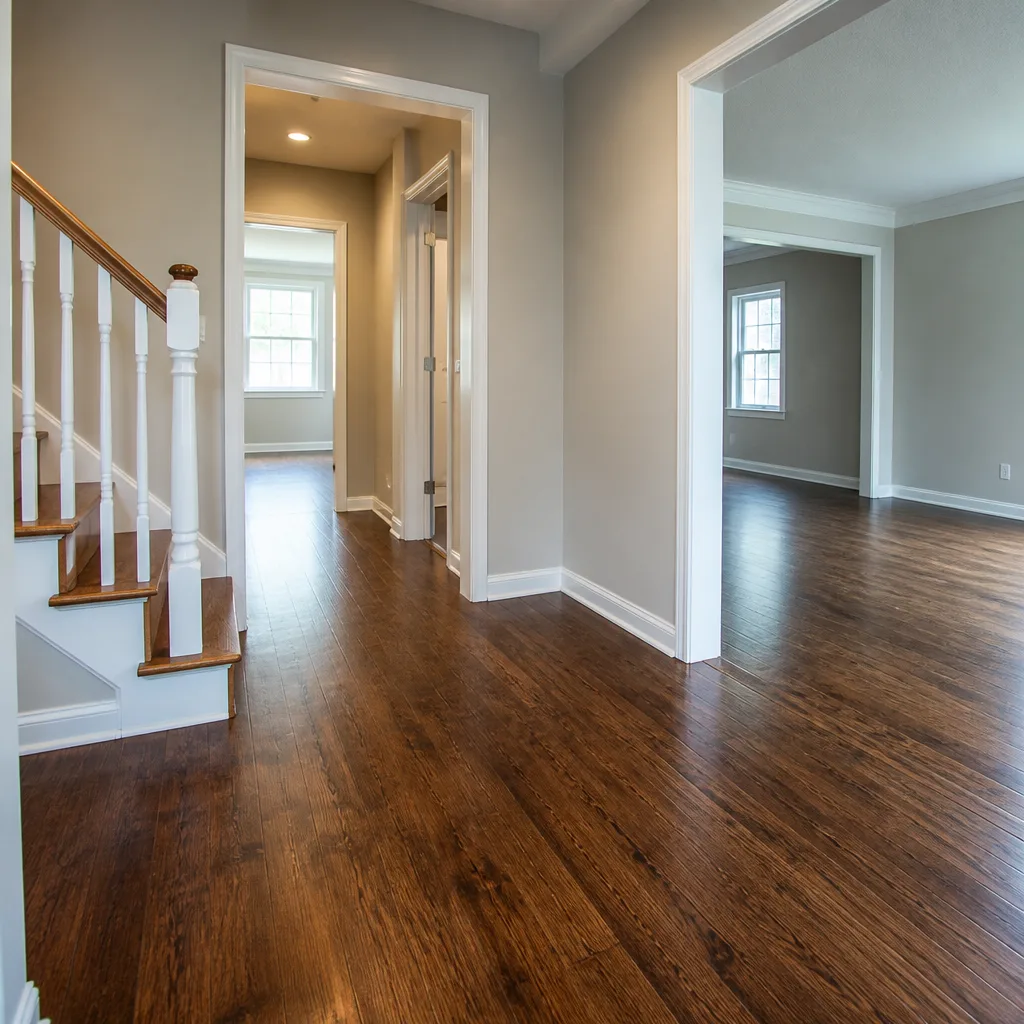

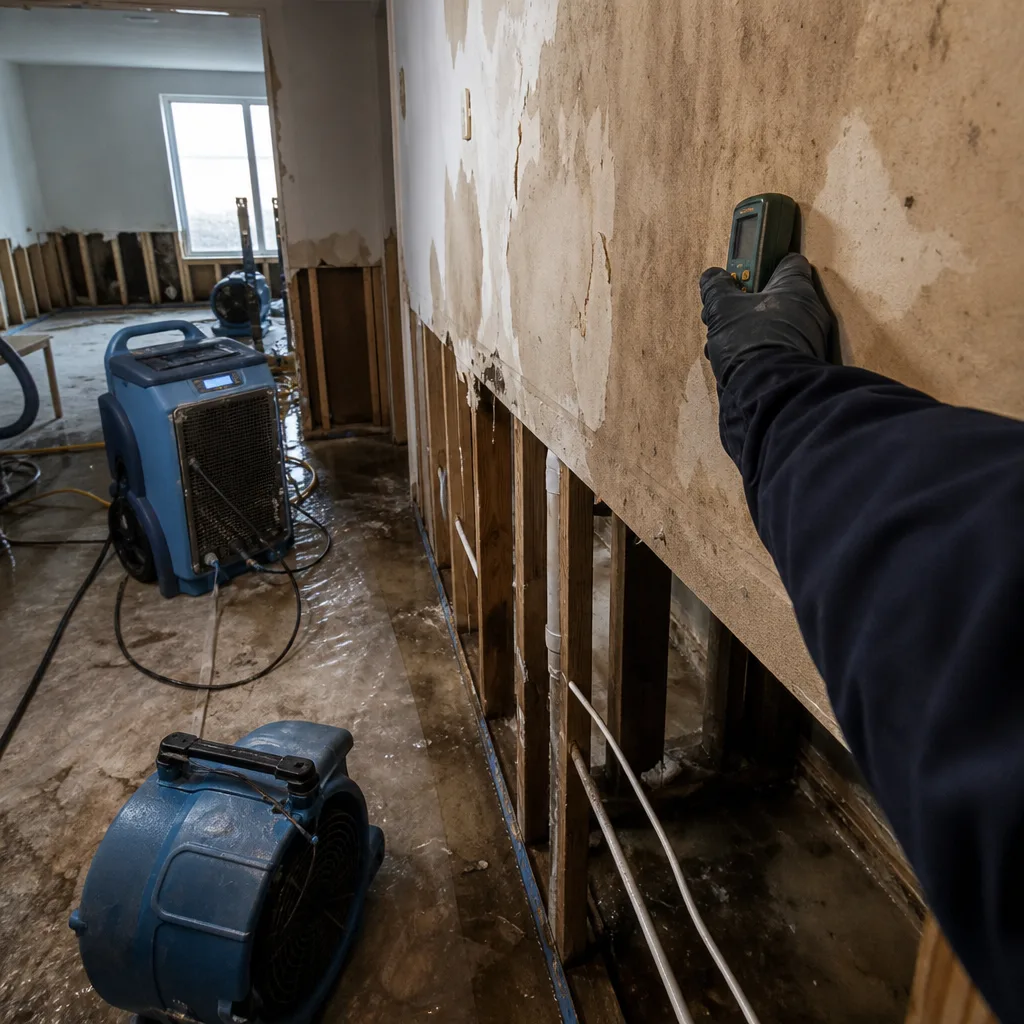 Before
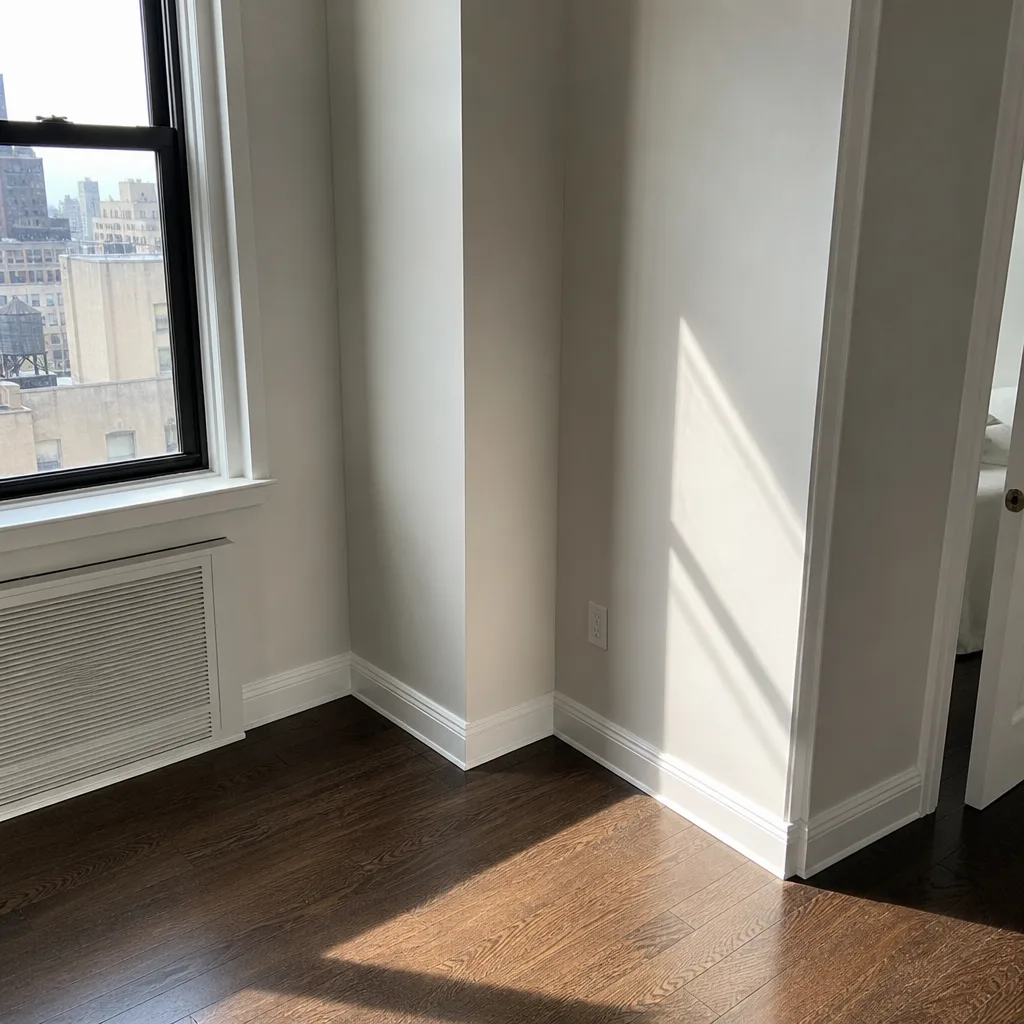 After
After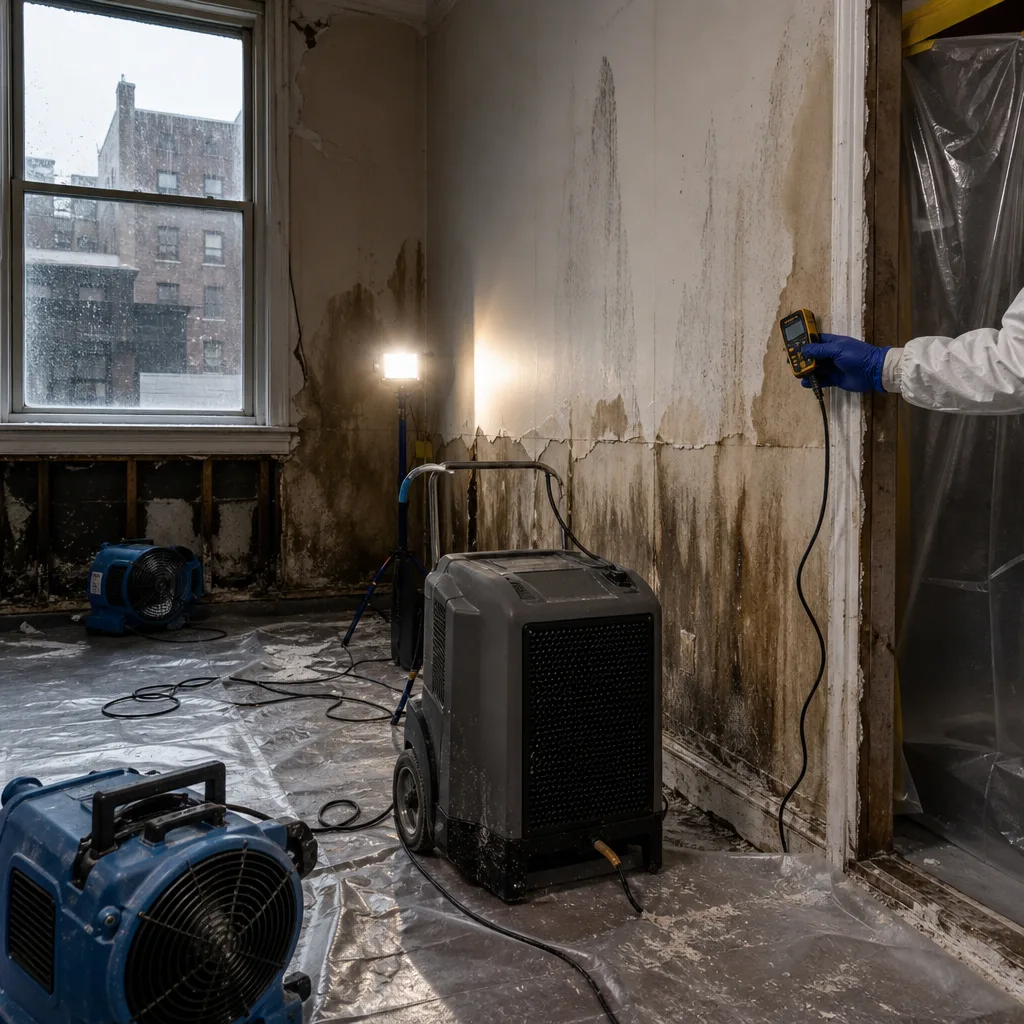 Before
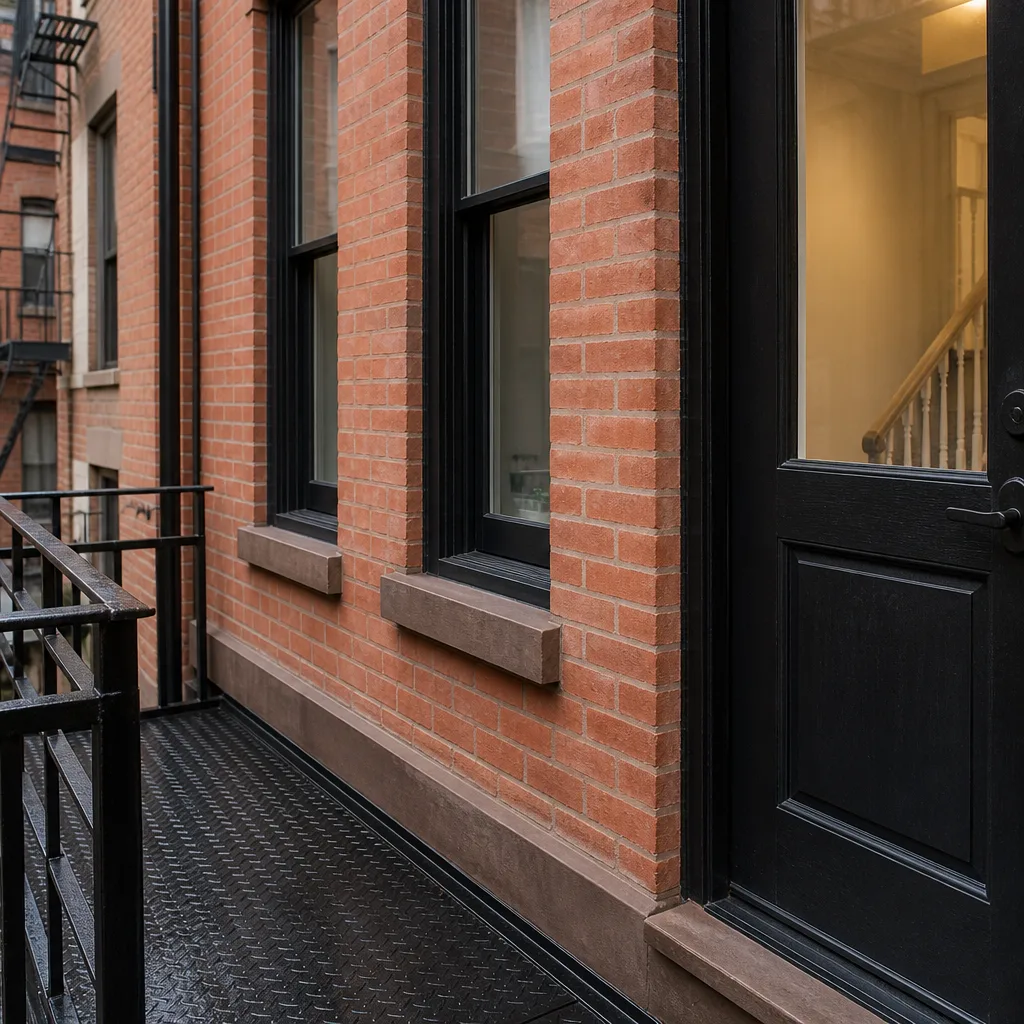 After
After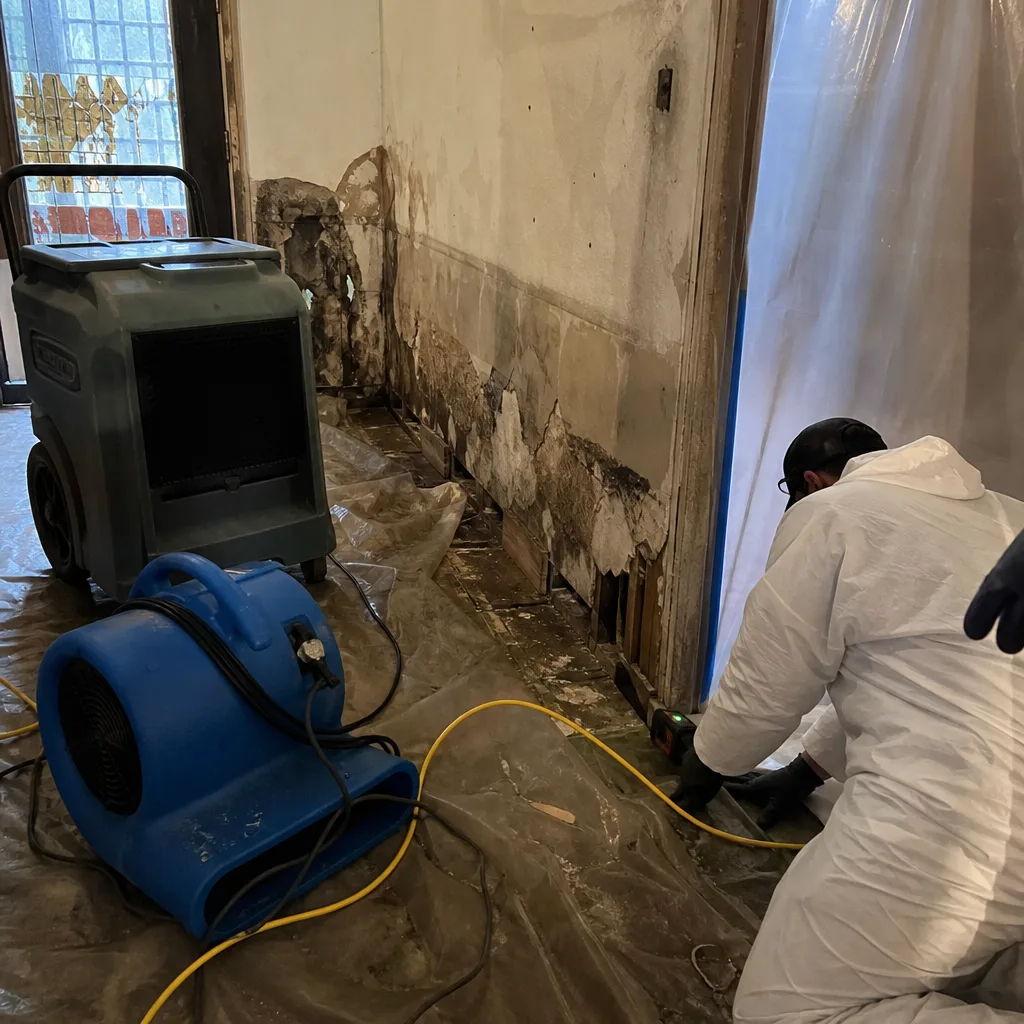 Before
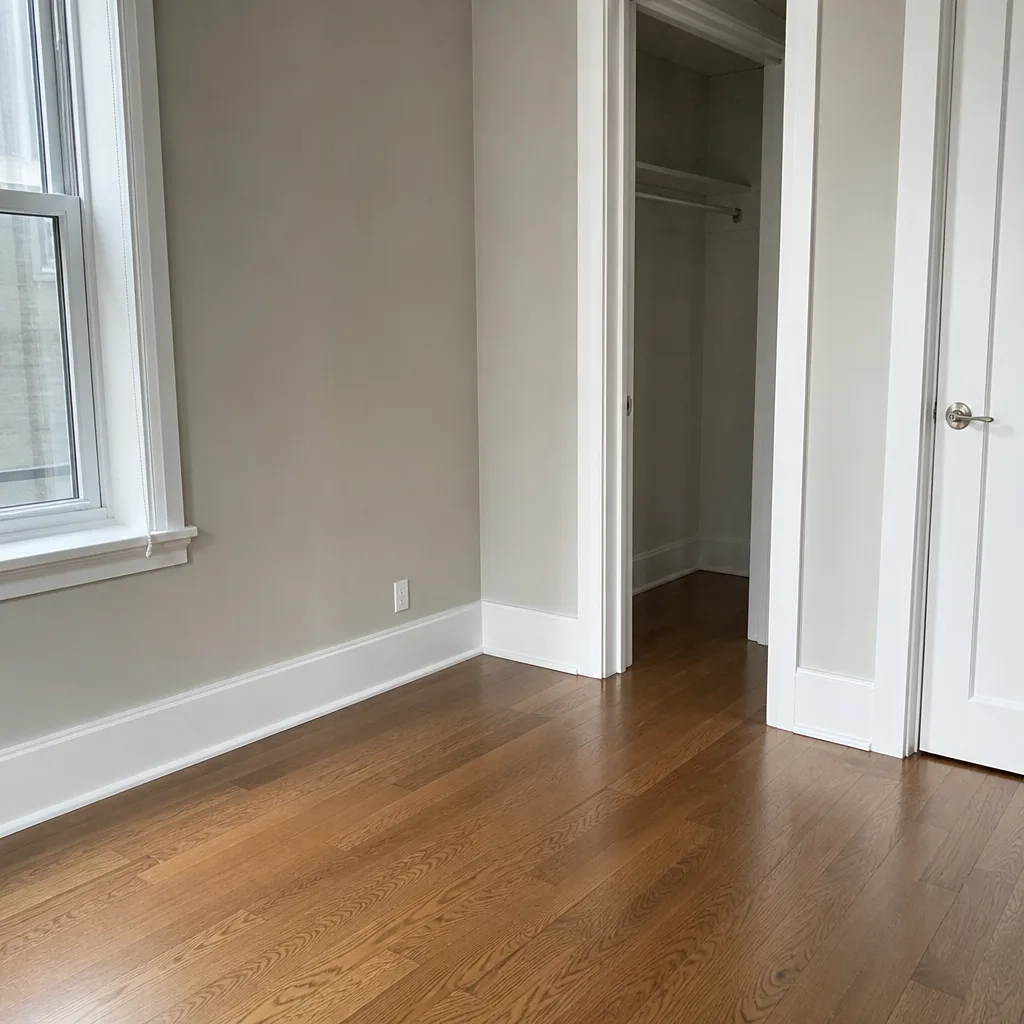 After
AfterHow to Hire a Damage Restoration Contractor in Financial District: A Step-by-Step Guide
The most common reason a Financial District restoration invoice gets reduced or denied is not fraud. It is that the contractor’s daily moisture logs contain gaps that an adjuster reads as evidence the drying was incomplete or the readings were estimated rather than measured. In a neighborhood where a single water loss can affect twelve units across three floors and involve a co-op board, a managing agent, and two insurance carriers, sloppy documentation does not just delay payment. It can shift liability back onto the homeowner. This guide gives you a concrete credential and document checklist to run before anyone touches a wall.
Quick Answer
Hiring a damage restoration contractor in Financial District means verifying IICRC WRT and ASD certifications against the official directory, demanding five written documents before work starts, and inspecting the contractor’s drying log format for daily psychrometric readings with equipment serial numbers. The right contractor treats documentation as the product, not an afterthought.
Table of Contents
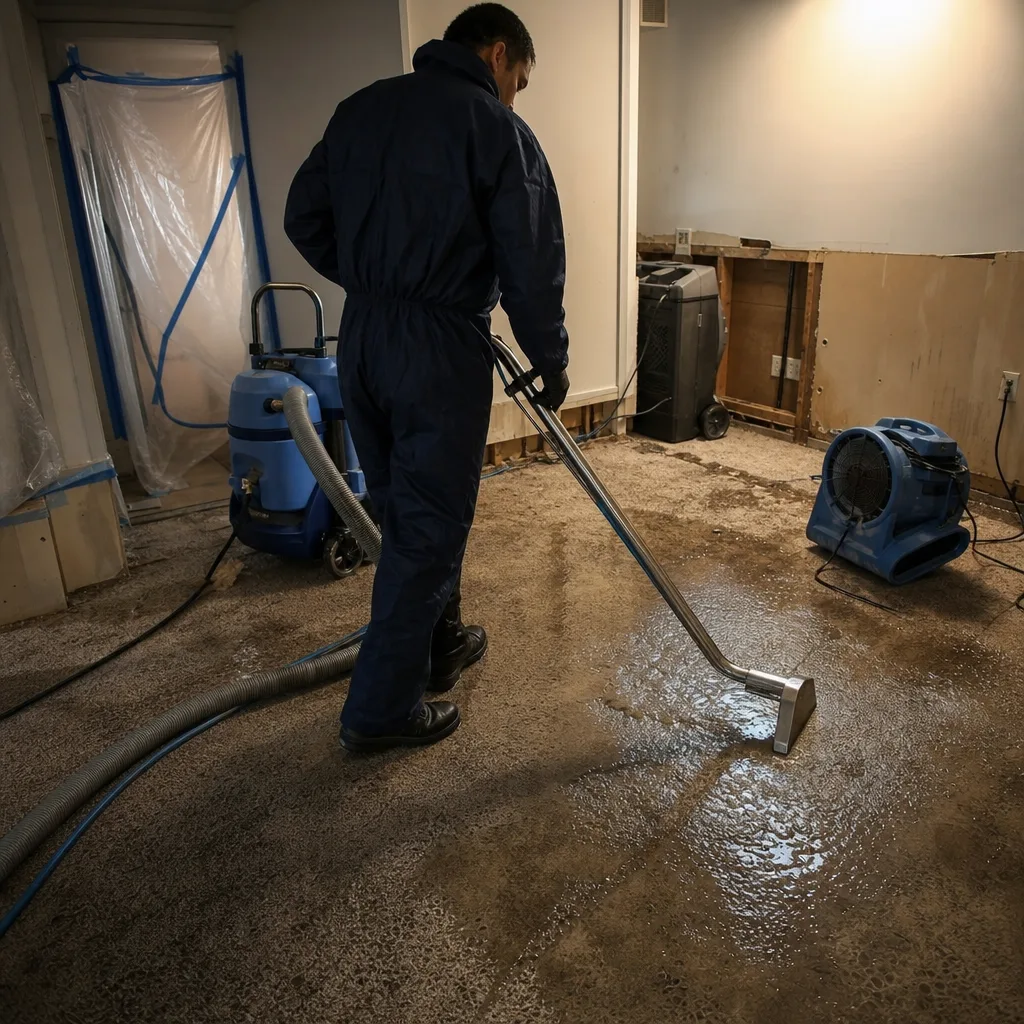
- How to Verify Certifications Before You Sign
- The Five Written Documents You Must Receive First
- How to Evaluate a Drying Log Format
- Multi-Unit Access, Board Delays, and Documentation Handoffs
- Red Flags Specific to Financial District Bids
- What Equipment Names Actually Tell You
- Working With Adjusters and Direct Billing
- Common Mistakes to Avoid
- When to Call a Professional
- Frequently Asked Questions
- The Bottom Line
BeforeAfterHow to Verify Certifications Before You Sign
Every contractor in the Financial District will tell you they are certified. Fewer than half will give you a certificate number you can verify yourself. This matters because IICRC certification is not a one-time test. It requires continuing education, and lapsed certificates are common in a high-turnover industry.
Request these two certifications at minimum:
- IICRC WRT (Water Damage Restoration Technician): The baseline credential for anyone who will handle water extraction, drying, and moisture measurement. A WRT holder should be able to explain the difference between primary, secondary, and tertiary drying zones without reaching for notes.
- IICRC ASD (Applied Structural Drying): The advanced credential that covers psychrometric science, the manipulation of temperature and humidity to accelerate evaporation without causing secondary damage. ASD technicians understand vapor pressure differential, the force that drives moisture from wet materials into the air so dehumidifiers can capture it.
Do not accept a photocopy or a logo on a business card. Ask for the certificate number and cross-check it on the IICRC online directory. The directory shows the issue date, expiration date, and any specialty endorsements. If the number does not appear, or if the certificate expired six months ago, that technician is not currently certified no matter what the truck says.
In our experience at Back to Dry Restoration Financial District home, the contractors who hesitate to provide certificate numbers are the same ones whose drying logs later show estimated rather than measured readings. The correlation is strong enough that we treat it as a leading indicator.
One additional credential to request for mold-related work: IICRC AMRT (Applied Microbial Remediation Technician). Mold remediation in Financial District buildings often requires containment protocols that differ from standard water damage jobs, particularly in pre-war structures with shared HVAC plenums. An AMRT holder will understand negative air pressure requirements and the documentation standards that satisfy post-remediation verification testing.
The Five Written Documents You Must Receive First
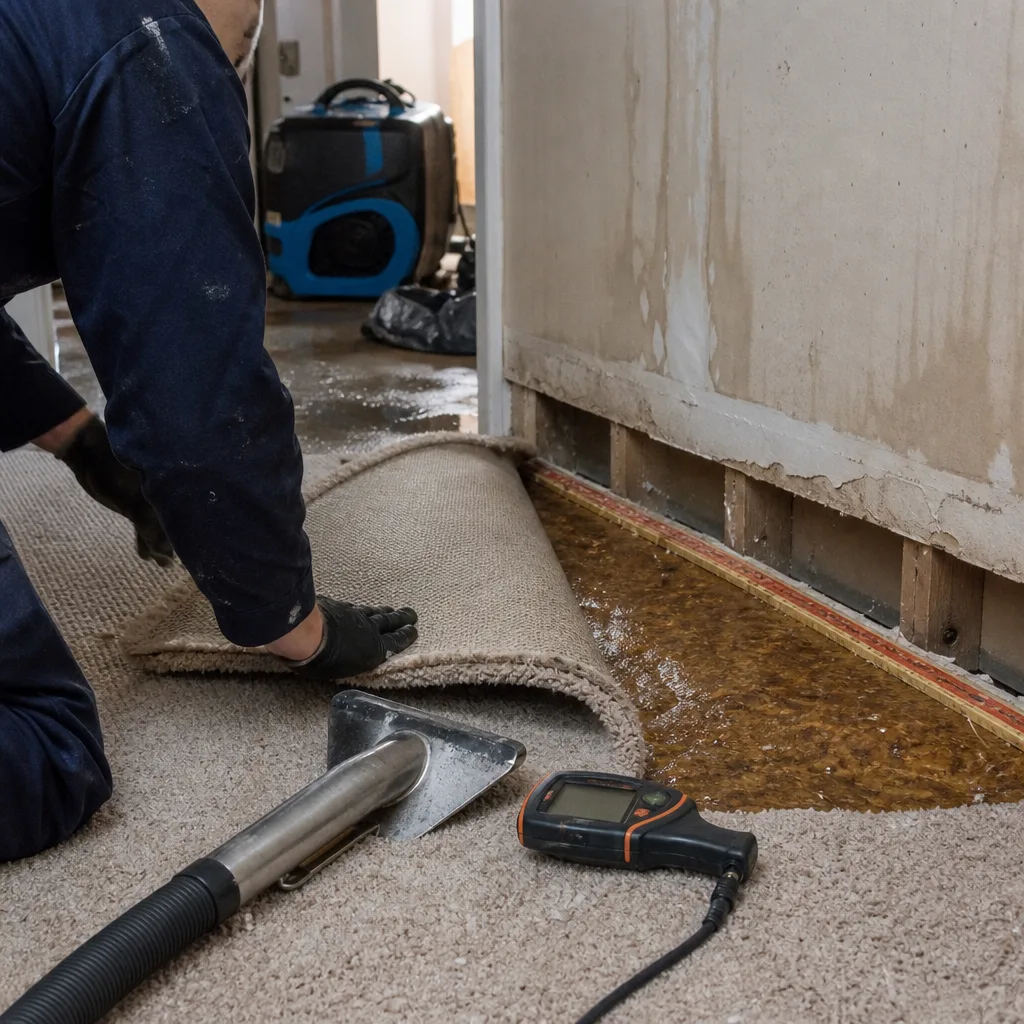
Haven Standard, Clause 1 states that a written price must be delivered before anyone starts work, every time, with no exceptions. But a price alone is not enough. Before any equipment enters your Financial District unit, you should hold five documents in hand or in your inbox:
- Written Scope of Work: A room-by-room description of what will be done, what materials will be removed, and what will be dried in place. Vague language like “general demo” or “dry out as needed” is a signal that the contractor has not actually inspected the loss. A proper scope names the affected square footage, the material classification by trade name (for example, “Category 2 water loss on 3/4-inch oak strip flooring over plywood subfloor”), and the drying class per IICRC S500 standards.
- Line-Item Price: Each task and material listed separately with its cost. This is not just for your protection. It is for the adjuster who will review the invoice. Bundled pricing invites scrutiny. Line-item pricing invites payment. At DryMark Restoration Financial District, every estimate breaks out labor hours, equipment rental days by unit type, and disposal fees by volume.
- Moisture Baseline Readings by Room: The starting moisture content of affected materials, measured with a calibrated pin or pinless meter and recorded by location. Baseline readings establish the dry standard your contractor is working toward. Without them, an adjuster cannot verify that drying was complete. The readings should include wood moisture equivalent (WME) percentages for structural materials and relative readings for non-porous surfaces.
- Equipment Placement Plan: A sketch or photo showing where each air mover, dehumidifier, and air scrubber will sit, with the rationale for placement. In Financial District apartments, where every square foot matters and co-op rules may restrict hallway use, equipment placement is not just a drying decision. It is a logistics decision that affects your neighbors and your building management.
- Photo Log Protocol: A written explanation of what will be photographed, how often, and how you will receive the images. The photo record is not an upsell. It is standard documentation that turns a restoration invoice into a payable insurance claim. Ask whether photos are timestamped, geotagged, and uploaded to a shared portal or delivered by email. Ask who takes them, the technician or a separate documentation specialist.
A contractor who produces these five documents before work begins is demonstrating a documentation practice that can survive scrutiny from a Manhattan insurer, a co-op board attorney, and a potential subrogation dispute. A contractor who cannot or will not produce them is asking you to trust their verbal assurances in a situation where thousands of dollars and your insurance coverage are at stake.
How to Evaluate a Drying Log Format
The drying log is where most restoration invoices live or die. Adjusters in the Financial District see hundreds of these logs. They know what a properly documented drying process looks like, and they know the shortcuts that indicate corners were cut.
Ask to see a sample drying log from a completed job, with the address redacted. Then check for these columns and entries:
- Date and time of each reading: Not “Day 1” and “Day 2.” Actual timestamps. Psychrometric conditions change hourly, and your drying log should reflect that granularity.
- Technician name and certification number: The person who took the reading must be identifiable. This creates accountability and allows an adjuster to verify that a certified technician, not a helper, was performing the work.
- Room location and specific measurement point: “Living room, north wall, 18 inches above baseboard” is useful. “LR” is not. Precision matters when an adjuster is trying to reconstruct whether drying was uniform.
- Equipment on site, identified by serial number: Each dehumidifier and air mover should be logged with its serial number. This prevents the common practice of billing for equipment that was never present or was removed early without documentation.
- Temperature and relative humidity: The two inputs that determine whether your dehumidifier is actually working or just running. These should be recorded at the same time as moisture readings.
- Grain depression or vapor pressure differential: The advanced metrics that show whether the air is capable of absorbing more moisture from wet materials. A technician who cannot explain grain depression in plain language may not understand the equipment they are operating.
- Moisture content readings for affected materials: Recorded in the same location each time, showing progressive reduction toward the dry standard established in the baseline.
- Technician signature or digital verification: A line that confirms the readings were taken, not estimated.
Ask what happens to the log if equipment is moved or removed early. The answer should be: the log is updated in real time, with a notation explaining the change. If equipment is removed because a neighbor complained about noise, that fact belongs in the log. If a dehumidifier fails and is replaced, the serial number of the replacement unit belongs in the log. Gaps invite questions. Questions delay payment.
At Water Damage Restoration in Financial District, our drying logs are uploaded to a shared portal within four hours of each visit. Homeowners, adjusters, and building managers can view the same data simultaneously. This transparency is not a courtesy. It is the documentation practice that turns a restoration invoice into a claim an insurer will pay without a fight.
Multi-Unit Access, Board Delays, and Documentation Handoffs
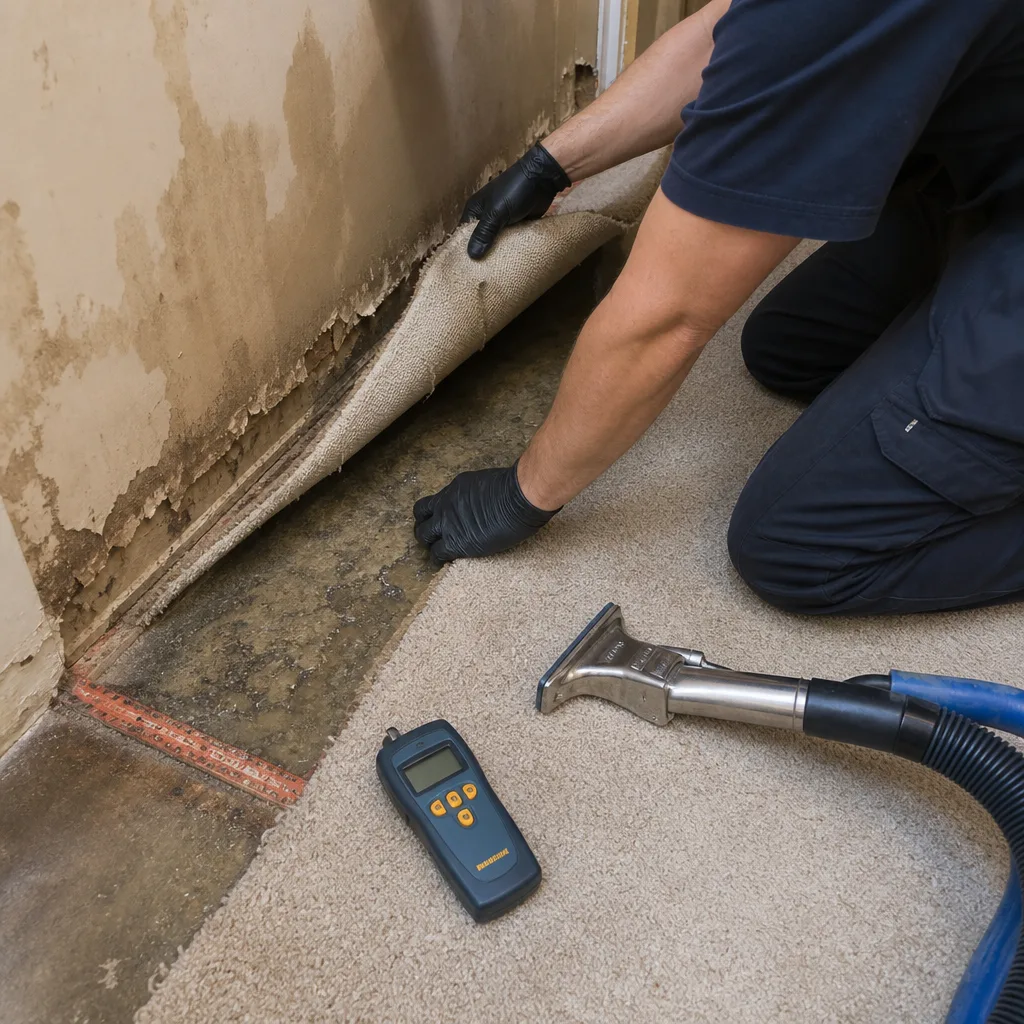
Financial District buildings present restoration challenges that suburban contractors rarely encounter. A water loss in a high-rise can originate in Unit 18-B, travel through the concrete slab to 17-B, and wick into the elevator shaft before anyone below notices. The contractor you hire must be able to document not just your unit, but the chain of responsibility across multiple affected parties.
Ask these questions before signing:
- How do you handle access to neighboring units?: The contractor should have a protocol for contacting building management, requesting access, and documenting what they find, even if the neighbor declines service. A photo of the declined access request, timestamped and noted, protects you if mold later appears in the adjacent unit and fingers point your direction.
- What documentation do you provide to co-op boards and managing agents?: Financial District co-ops often require certificates of insurance with specific additional insured language, work schedules that accommodate building hours, and post-job documentation that satisfies alteration agreements. A contractor who has worked in Manhattan high-rises will have these documents ready. A contractor who has not will delay your job while they figure it out.
- How do you handle jobs that span more than one responsible party?: If your leak originated in a unit above you, or if your loss affected a commercial tenant below, the documentation must support potential subrogation. This means separate drying logs for each unit, clear photographs showing the point of origin, and written statements from technicians that can be used in legal proceedings if necessary. Ask whether the contractor has provided expert testimony or deposition support in previous subrogation cases.
- What is your protocol when board approval delays emergency work?: Some Financial District buildings require board approval for any work that affects common elements, even in an emergency. A prepared contractor has a 24-hour contact protocol for building management, a template emergency access letter, and experience working with building attorneys to document that delay was not homeowner negligence.
The contractor’s answer to these questions reveals whether they understand that restoration in the Financial District is as much a documentation and coordination challenge as a technical one. The drying science is the same everywhere. The stakeholder management is not.
Red Flags Specific to Financial District Bids
Manhattan’s dense contractor market produces bid documents that look professional but collapse under scrutiny. Watch for these specific warning signs:
- Vague line items labeled “general demo” or “miscellaneous”: Every removal task should specify the material, the approximate square footage or linear footage, and the disposal method. “General demo” is where contractors hide padding, or where they underestimate scope and return later with change orders.
- No mention of post-remediation verification testing: For mold remediation and some Category 3 water losses, clearance testing by an independent third party is the standard that proves the job was done. A contractor who does not mention this, or who offers to perform their own clearance testing, is creating a conflict of interest that insurers and co-op boards will reject.
- Verbal-only price quotes: Haven Standard, Clause 1 exists precisely to end this practice. A verbal quote cannot be submitted to insurance, cannot be compared to competing bids, and cannot be enforced if the final invoice doubles. Any contractor who says “I’ll email it later” or “Let me just get started and we’ll figure out the price” is not following a documentation-first process.
- No certificate of insurance with your building named as additional insured: Financial District buildings require this as a condition of entry. A contractor who arrives without it, or who produces a certificate that expired last month, will be turned away at the door.
- Equipment brands you cannot verify: Professional drying equipment carries serial numbers and manufacturer documentation. If a contractor mentions brands you cannot find, or if their “industrial” dehumidifier turns out to be a residential unit from a big-box store, their drying capacity is not what they claim.
- Pressure to sign immediately: Water damage is urgent, but documentation takes time. A contractor who cannot give you thirty minutes to verify credentials and review documents is not a contractor who values thoroughness.
What Equipment Names Actually Tell You
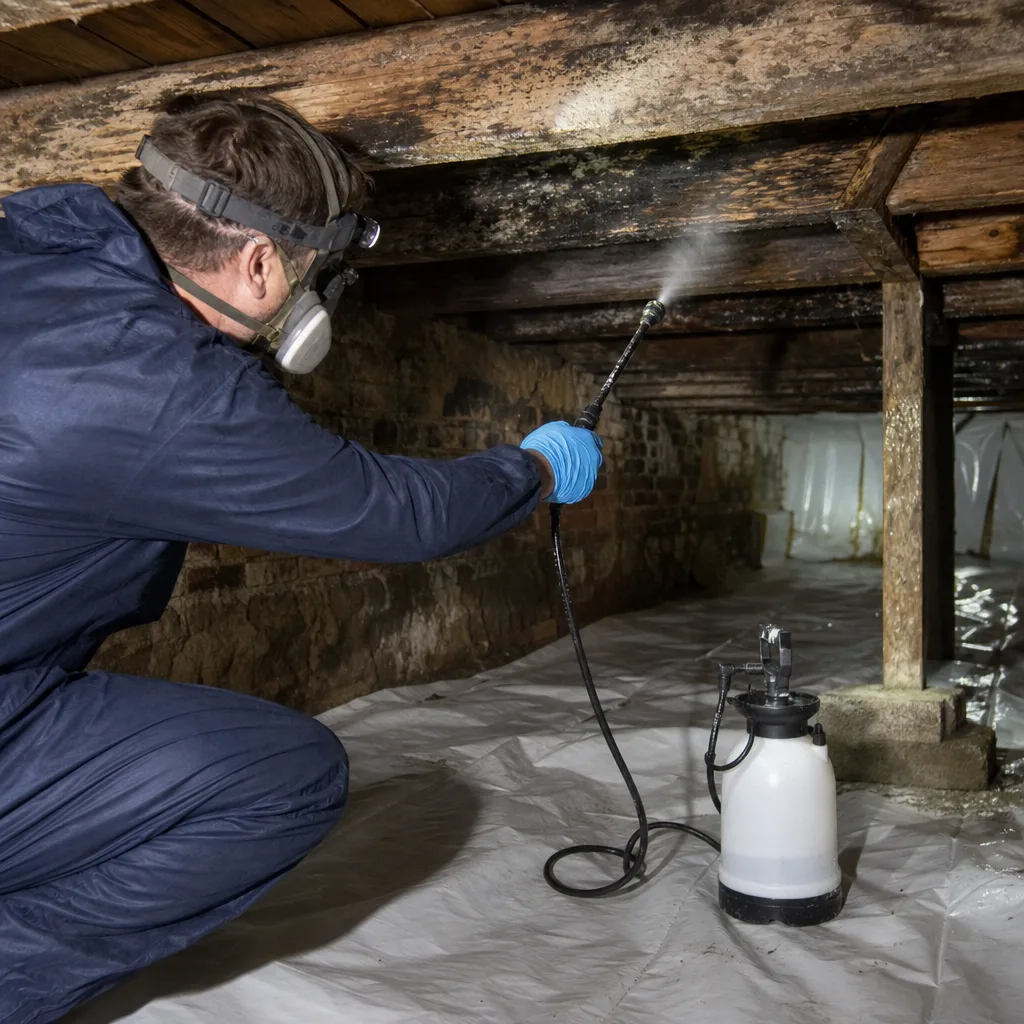
Equipment specification is where contractors often obscure more than they reveal. A “commercial dehumidifier” could mean a 70-pint residential unit or a 150-pint LGR (low-grain refrigerant) machine capable of drying saturated structural materials. The difference determines whether your hardwood floors are salvageable or whether they become a line item for replacement.
Ask your contractor to name the specific models they deploy. Professional-grade drying systems from Dri-Eaz, Phoenix, and XPOWER are standard in well-equipped operations. These manufacturers publish performance data, including pint-per-day removal rates at specific temperature and humidity conditions, that your adjuster can cross-reference against the job requirements.
More important than brand names is whether the contractor can explain why they chose a particular unit for your specific loss. A Phoenix 200 HT in a 400-square-foot Financial District studio with concrete floors is overkill. The same unit in a 2,000-square-foot pre-war loft with plaster walls and original oak flooring may be necessary to achieve the vapor pressure differential required for tertiary drying of dense, historic materials.
Ask also about air filtration. Mold Remediation in Financial District jobs, and Category 3 water losses involving sewage or groundwater, require HEPA air scrubbers with separate documentation of filter changes and airflow readings. The equipment should be listed by model, not described as “air cleaners.”
At DryMark Restoration Financial District, our equipment inventory is documented to IICRC, RIA, and IFA standards, with serial numbers logged to each job. This traceability matters when an adjuster asks whether the dehumidifier capacity matched the moisture load, or when a subrogation attorney needs to prove that drying was attempted before materials were declared unsalvageable.
Working With Adjusters and Direct Billing
The Financial District homeowner who pays out of pocket and waits for reimbursement is taking unnecessary risk. The better path is a contractor who documents thoroughly enough that direct insurance billing becomes routine rather than exceptional.
Direct billing requires three things from the contractor: a scope and price that the adjuster can approve without revision, daily documentation that proves the work was performed as scoped, and a billing format that matches the adjuster’s software. The first two are within your control as a homeowner who vets contractors carefully. The third is a matter of the contractor’s administrative competence.
Ask whether the contractor has worked with your specific insurance carrier before. Ask whether they use Xactimate, Symbility, or another standard estimating platform. Ask how they handle supplement requests when hidden damage is discovered after demolition begins. The answers reveal whether the contractor views insurance coordination as a core competency or an afterthought.
Photo documentation is the single biggest trust unlock in insurance work. A contractor who provides a timestamped, geotagged photo record on every visit, included as a standard deliverable, gives the adjuster visual proof that supports every line item. A contractor who does not photograph consistently creates gaps that adjusters fill with deductions.
We offer a Free Second Opinion on any competitor’s written estimate. Bring us another contractor’s scope and we will review it at no charge, identifying line items that may be missing, inflated, or inadequately documented for insurance purposes. This review has saved Financial District homeowners thousands in out-of-pocket costs and has prevented jobs from stalling when adjusters reject incomplete documentation.
Common Mistakes to Avoid
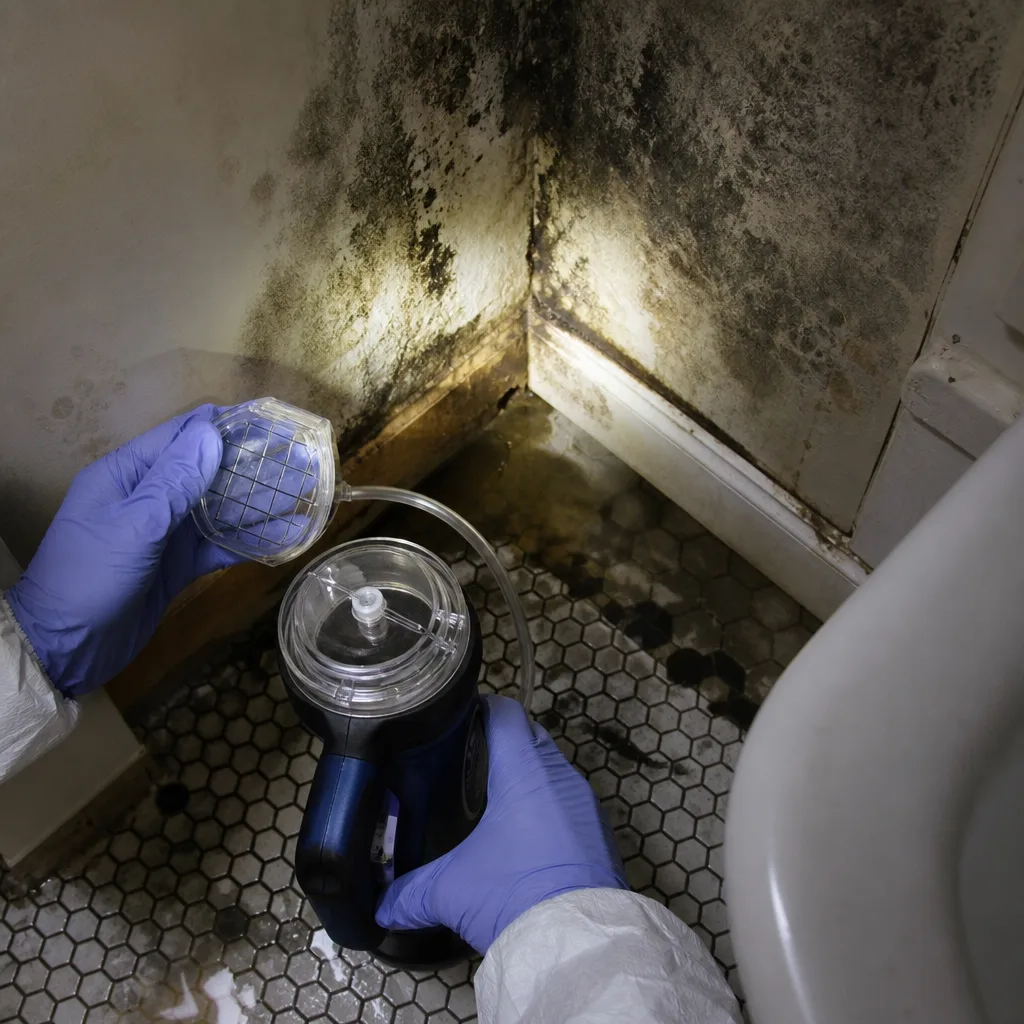
- Hiring the first contractor who answers the phone at 2 a.m.: Emergency response speed matters for water mitigation, but the contractor who arrives fastest is not necessarily the contractor who documents best. Take thirty minutes to verify credentials even while water is still moving.
- Accepting a “ballpark” figure over the phone: Without moisture readings and a site inspection, any price is fiction. The contractor who gives a firm number sight unseen will either pad heavily or return with change orders.
- Neglecting to notify your building management before work starts: Financial District co-ops and condos often have emergency protocols that include preferred vendor lists, required insurance certificates, and notification timelines. Skipping this step can halt work mid-job.
- Failing to get the drying log in your possession: The log belongs to you, not the contractor. Request delivery format and timeline in writing before work begins, and confirm receipt after each technician visit.
- Assuming your insurance adjuster will catch documentation gaps: Adjusters review hundreds of claims. They do not have time to reconstruct missing data. Gaps in your contractor’s documentation become deductions in your claim payment.
- Not questioning equipment removal timing: Equipment removed before materials reach dry standard means incomplete drying, hidden moisture, and future mold. The drying log should show progressive readings, not an arbitrary pickup date.
When to Call a Professional
Call a damage restoration contractor immediately when water is actively spreading, when you smell mold but cannot locate the source, when fire or smoke has affected multiple rooms, or when sewage or contaminated water is involved. These scenarios require containment, specialized equipment, and documentation that protects your insurance coverage.
For reconstruction and rebuild work, the timeline changes. Structural repairs, finish carpentry, and full-room rebuilds are scoped, scheduled, and priced in writing like a remodel. Same-day service is a mitigation promise, not a reconstruction promise.
DryMark Restoration Financial District offers free estimates in Financial District. Our live phone coverage is available 24 hours a day, 7 days a week with no voicemail on emergency lines. Every job is quoted in writing before work begins, documented with a photo record on every visit, and covered by the 365-Day Done Right Promise. Call (551) 212-1492.
Frequently Asked Questions
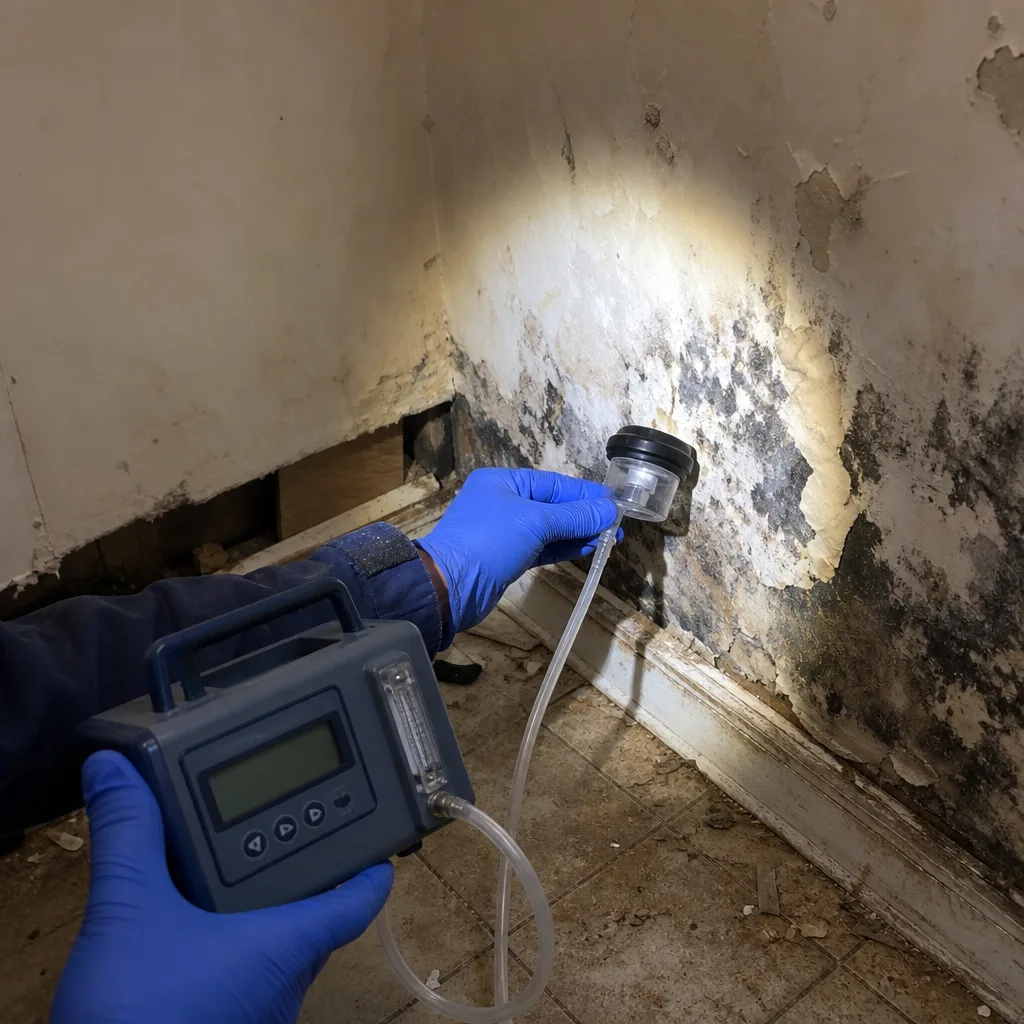
Water damage restoration in Financial District typically ranges from $3,200 for a contained Category 1 loss in a studio apartment to $18,000 or more for a Category 3 loss affecting multiple rooms in a pre-war loft with hardwood flooring and plaster walls; see our Water Damage Restoration Maintenance Checklist for Financial District Homeowners for prevention tips. The price depends on water classification, affected square footage, material types, and whether demolition is required. Call (551) 212-1492 for a written estimate, free of charge.
Most homeowners policies cover sudden and accidental water damage, but exclude gradual leaks and flooding without separate flood coverage. The key to coverage is documentation that proves the loss was sudden, that drying was attempted promptly, and that materials were removed only after reaching documented dry standards. A contractor who provides daily moisture logs and timestamped photos strengthens your claim. Call (551) 212-1492 and we will review your policy language with you.
For active water mitigation, DryMark Restoration Financial District dispatches within 90 minutes of your call, though co-op board access protocols and building security requirements can add 15 to 45 minutes. Reconstruction work is scheduled, not dispatched. Call (551) 212-1492 for emergency response.
Category 1 water losses under 48 hours old, affecting less than 150 square feet of non-porous materials only, can sometimes be handled by a homeowner with adequate airflow. Any Category 2 or 3 loss, any mold growth visible or suspected, any involvement of HVAC systems, or any loss in a multi-unit building requires professional remediation with documented clearance. The liability exposure in Financial District co-ops, where your moisture can become your neighbor’s mold, makes professional documentation essential.
At DryMark Restoration Financial District, we coordinate directly with your adjuster, providing the written scope, daily drying logs, photo record, and line-item billing in Xactimate format that adjusters require. You remain the policyholder and must approve all work, but the documentation burden is ours. This direct coordination is standard on every job, not an additional service.
Request the specific rejection reason in writing. Most Financial District rejections involve insurance certificates, work hours, or alteration agreement language, all of which a prepared contractor can address within 24 hours. If your contractor cannot produce the required documentation promptly, that is a signal to reconsider your choice. We maintain pre-formatted certificates and board packets for major Financial District buildings and can often resolve access issues same-day.
The Bottom Line
Hiring a damage restoration contractor in Financial District is a documentation decision disguised as a service decision. The contractor with the fastest truck matters less than the contractor whose daily moisture logs, written scopes, and photo records will survive the scrutiny of a Manhattan insurer, a co-op board attorney, and a potential subrogation dispute. Verify IICRC certifications against the official directory. Demand five written documents before work begins. Inspect the drying log format for granularity and accountability. Ask the multi-unit and insurance questions that reveal whether the contractor has operated in Manhattan high-rises before. The answers will tell you whether you are hiring a technician or a documentation partner. For more guides & resources, visit our blog.
Written by Alicia Brennan, Owner at DryMark Restoration Financial District, serving Financial District since 2011.